Country
Crash of a Cessna 525 CitationJet CJ2+ in Saint-Tropez
Date & Time:
Jun 6, 2018 at 1310 LT
Operator:

Registration:
D-IULI
Survivors:
Yes
Schedule:
Figari - Saint-Tropez
MSN:
525A-0514
YOM:
2013
Crew on board:
1
Crew fatalities:
Pax on board:
1
Pax fatalities:
Other fatalities:
Total fatalities:
0
Captain / Total hours on type:
1234.00
Circumstances:
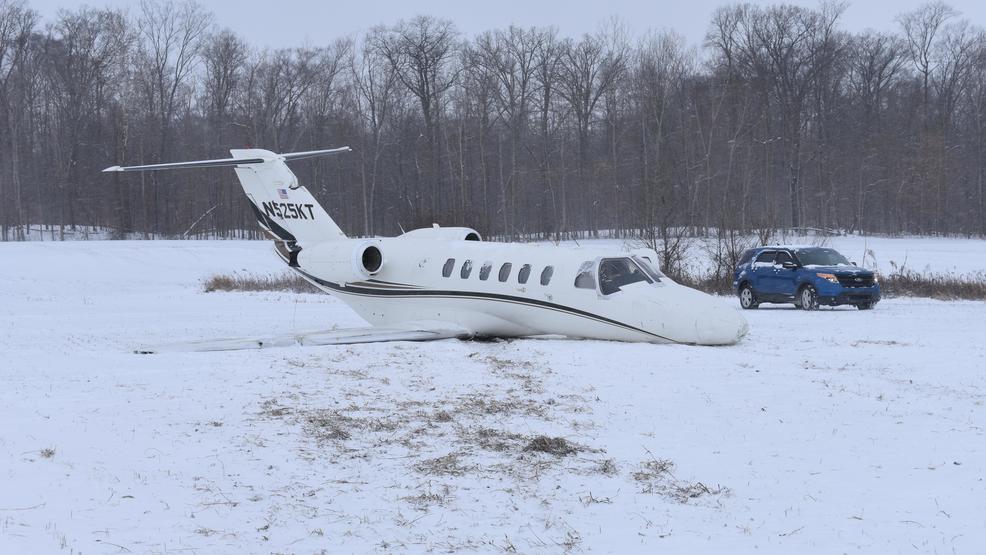
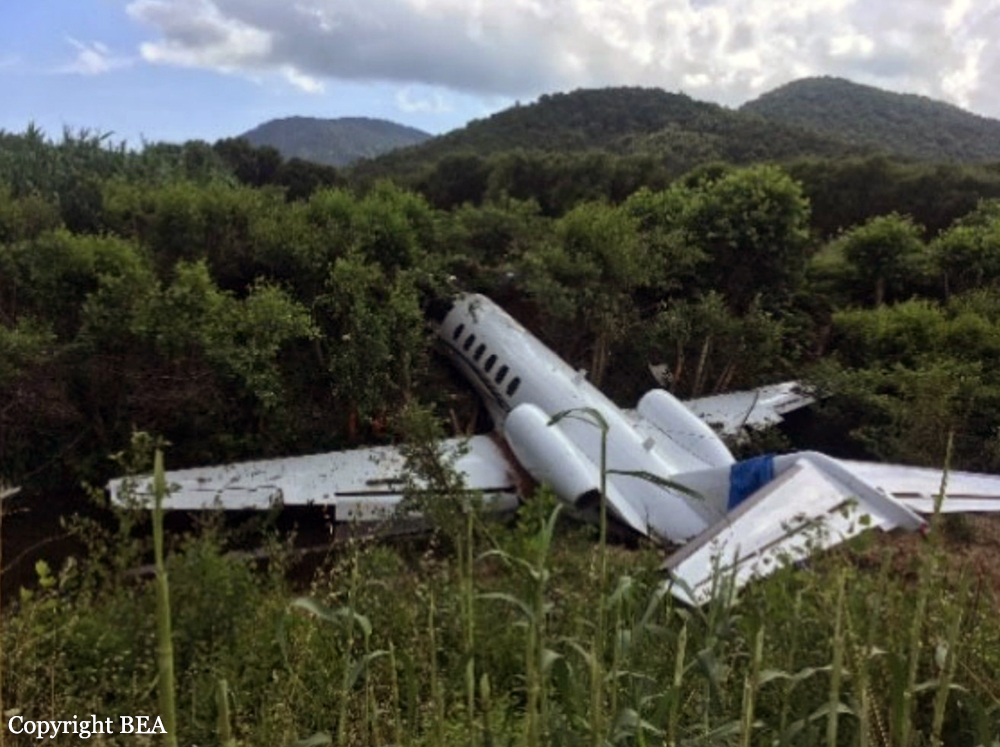
The aircraft departed Figari-Sud-Corse Airport on a positioning flight to Saint-Tropez-La Môle, carrying one passenger and one pilot. Weather conditions at destination were poor with ceiling at 1,800 feet and rain. The pilot contacted Nice Approach and was cleared to descend to 6,000 feet and to report over EM for an approach to La Môle Airport Runway 24. On final approach, the pilot was unable to establish a visual contact with the runway and initiated a go-around procedure. Few minutes later, he completed a second approach and landed the airplane 200 metres past the runway threshold at a speed of 136 knots. Spoilers were deployed but the airplane was unable to stop within the remaining distance. It veered slightly to the left, departed the end of the runway, crossed a river and came to rest against an embankment located about 100 metres past the runway end. The pilot escaped unhurt while the passenger was slighlty injured. The aircraft was damaged beyond repair.
Probable cause:
The landing distance of the airplane on a wet runway as defined in the Airplane Flight Manual (AFM) performance tables are not compatible with the length of runway available at La Môle Aerodrome. When preparing the flight, the pilot used the flight record provided by the operator ProAir to determine landing performance. Landing distance on a wet runway presented in the file increased that on a dry runway by 15%. The 15% increase on a wet runway can only be used in conjunction with the increase of 60% imposed in commercial operation, otherwise it may be inappropriate. The value resulting from the calculation was, in this case, wrong and less than the value indicated in the aircraft flight manual. The pilot probably did not use the EFB application for the calculation of performance or the flight manual to verify this value. The pilot thus undertook the flight on the basis of erroneous performance values, without realizing that he could not land at this aerodrome if the runway was wet. In addition, during the final approach, the speed of the aircraft was greater than the speed approach reference and the approach slope was also greater than the nominal slope, which resulted in an increase in the landing distance. During the landing roll, the aircraft exited the runway longitudinally at a speed of 41 kt. The pilot failed to stop the aircraft until it does not violently collide with obstacles at the end of the track.
Contributing factors:
- The operator's use of the same operations manual for two different types of operations;
- The absence in the operations manual of a calculation method, coefficient and safety margin for the calculation of performance in non-commercial transport;
- Lack of knowledge by the pilot and the operator of the method of calculation of landing performance in non-commercial transport;
- The lack of indication in the operations manual that the landing performances at La Môle aerodrome are limiting in case of a wet or contaminated runway.
Contributing factors:
- The operator's use of the same operations manual for two different types of operations;
- The absence in the operations manual of a calculation method, coefficient and safety margin for the calculation of performance in non-commercial transport;
- Lack of knowledge by the pilot and the operator of the method of calculation of landing performance in non-commercial transport;
- The lack of indication in the operations manual that the landing performances at La Môle aerodrome are limiting in case of a wet or contaminated runway.
Final Report:


Crash of a Cessna 525A CitationJet CJ2 in Michigan City
Date & Time:
Dec 27, 2017 at 0650 LT
Registration:
N525KT
Survivors:
Yes
Schedule:
DuPage - Michigan City
MSN:
525A-0058
YOM:
2002
Crew on board:
1
Crew fatalities:
Pax on board:
1
Pax fatalities:
Other fatalities:
Total fatalities:
0
Captain / Total hours on type:
300.00
Copilot / Total hours on type:
81
Aircraft flight hours:
2681
Circumstances:
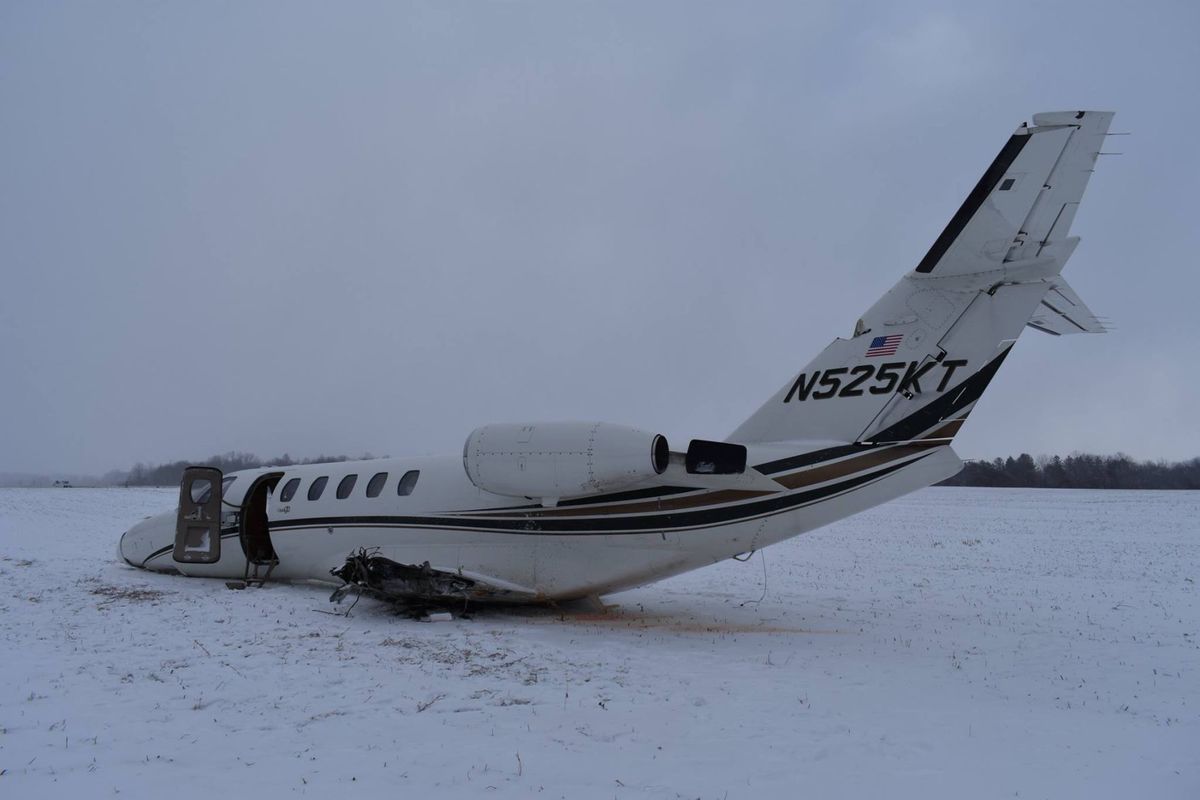
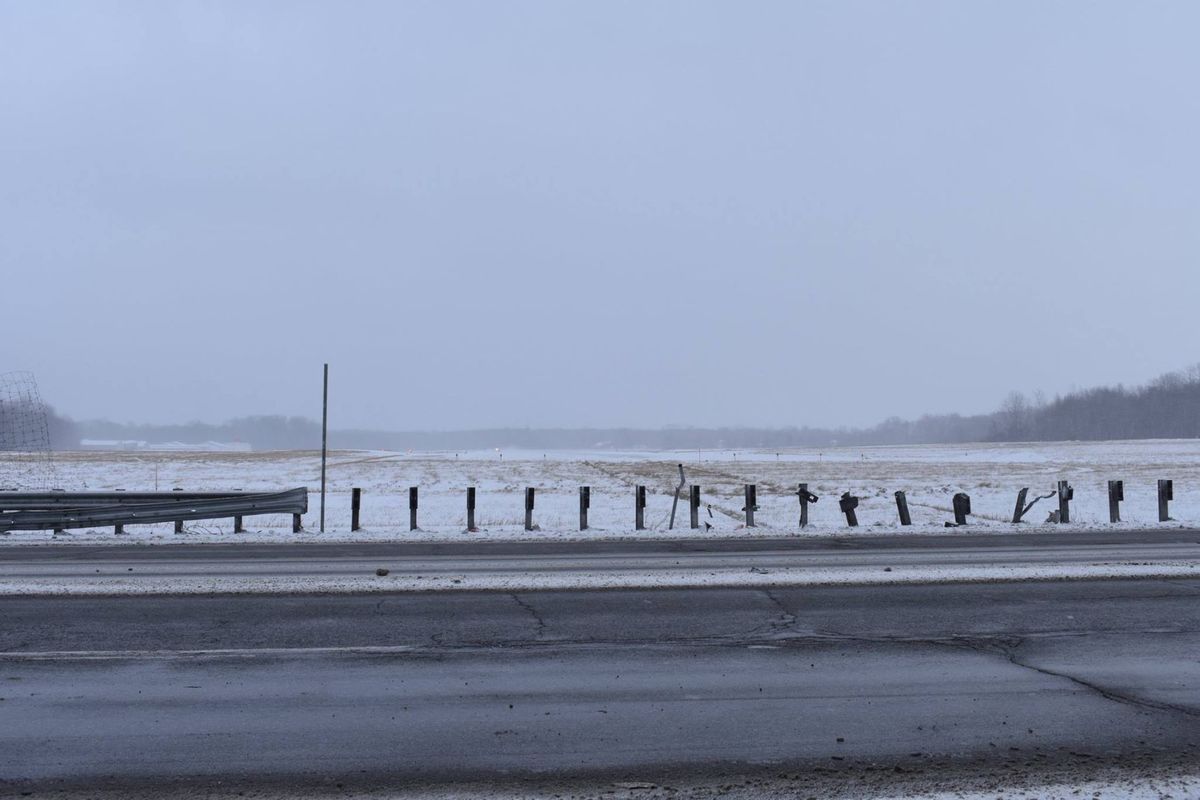
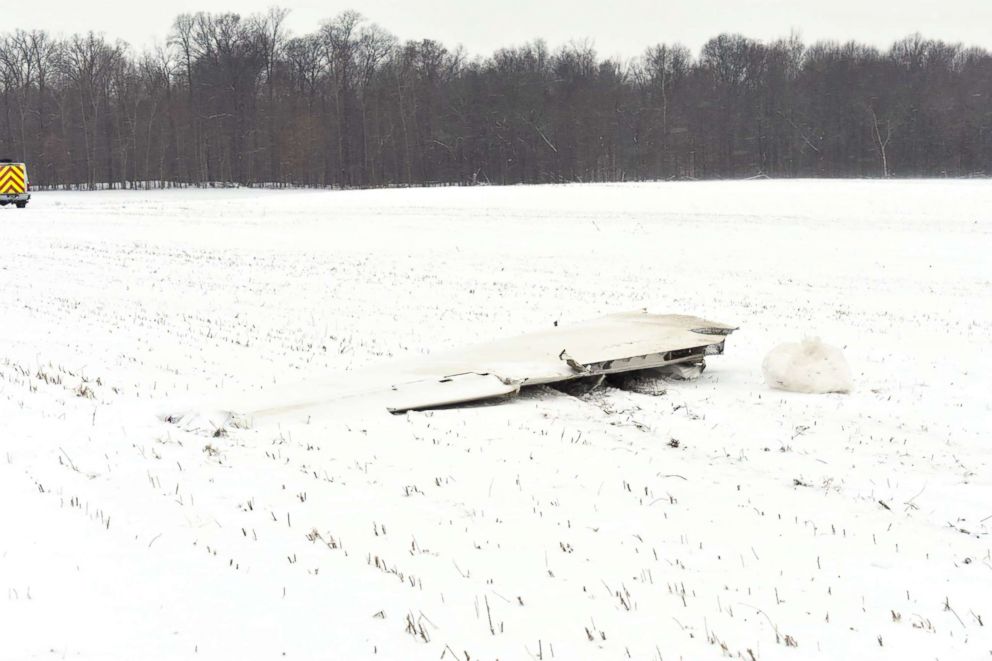
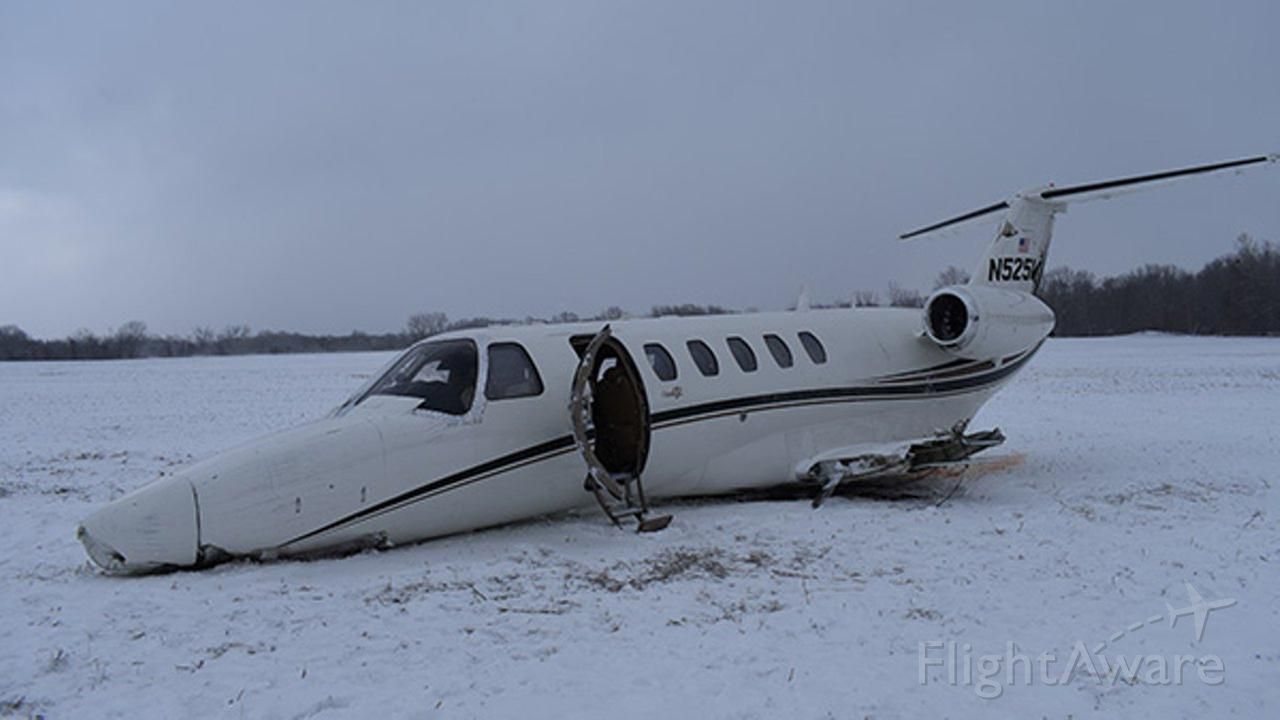
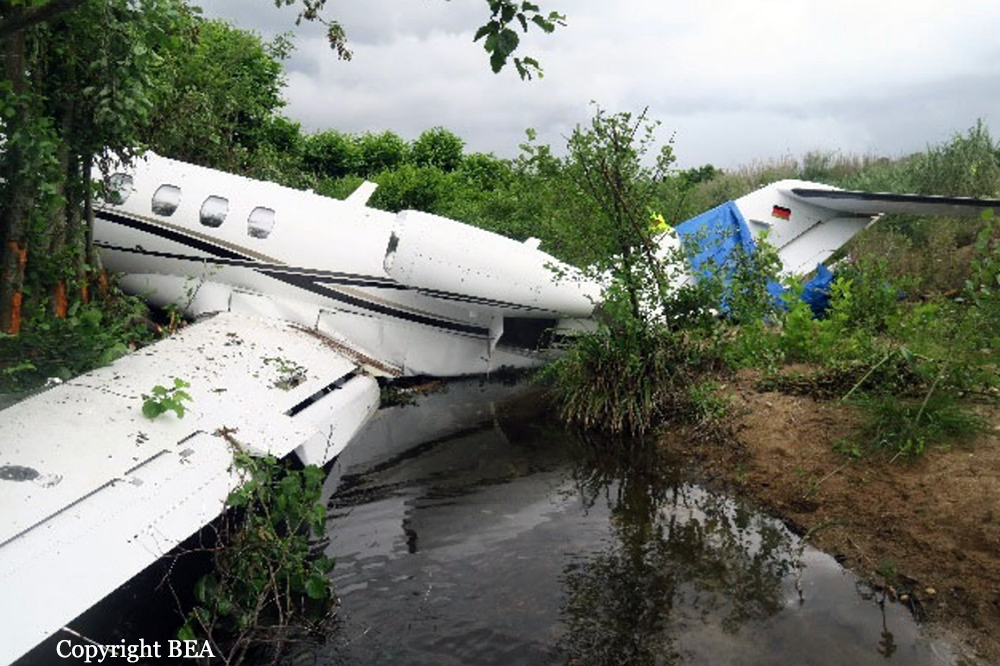
The pilot reported that, during the approach following a positioning flight, he saw that the runway had a light dusting of snow on it and that the airplane touched down on speed in the first 1,000 ft of the 4,100- ft-long runway. The copilot, who was the pilot flying, applied heavy braking, but there appeared to be no braking effectiveness, and the airplane did not slow down as expected. The pilot added that, when the airplane reached about two-thirds of the way down the runway, he knew that it was going to overrun the runway due to the loss of only half of its airspeed. He thought that if he aborted the landing, there was a small chance the airplane could become airborne within the remaining runway. The copilot added engine power to abort the landing, and the nose landing gear lifted off, but insufficient runway was remaining to take off. The copilot reduced the engine power to idle, and the airplane overran the runway and went through the airport fence and a guardrail, across a highway, and into a field. Postaccident examination revealed no flat spots or evidence of skidding on the landing gear tires. The flaps were found in the “ground flaps” position, which is not allowed for takeoff. No evidence of any pre-accident mechanical malfunctions or failures were found with the airplane that would have precluded normal operation. Based on an airplane weight of 11,000 lbs, the airplane’s stopping distance would have been about 4,400
ft. The flight crew’s improper decision to land on a snow-covered runway that was too short to accommodate the landing in such conditions led to a runway overrun and impact with obstacles.
ft. The flight crew’s improper decision to land on a snow-covered runway that was too short to accommodate the landing in such conditions led to a runway overrun and impact with obstacles.
Probable cause:
The flight crew's improper decision to land on a snow-covered runway that had insufficient runway distance for the airplane to land with the contamination, which resulted in a runway overrun and impact with obstacles.
Final Report: