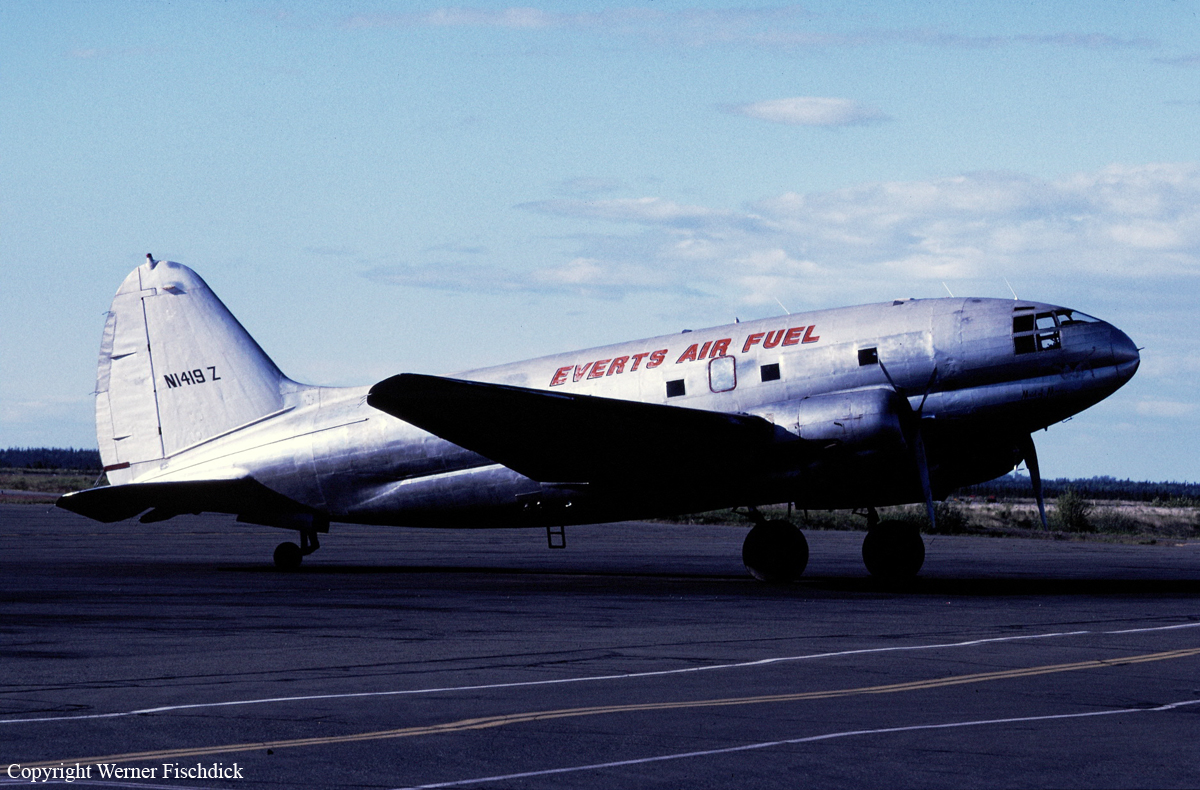
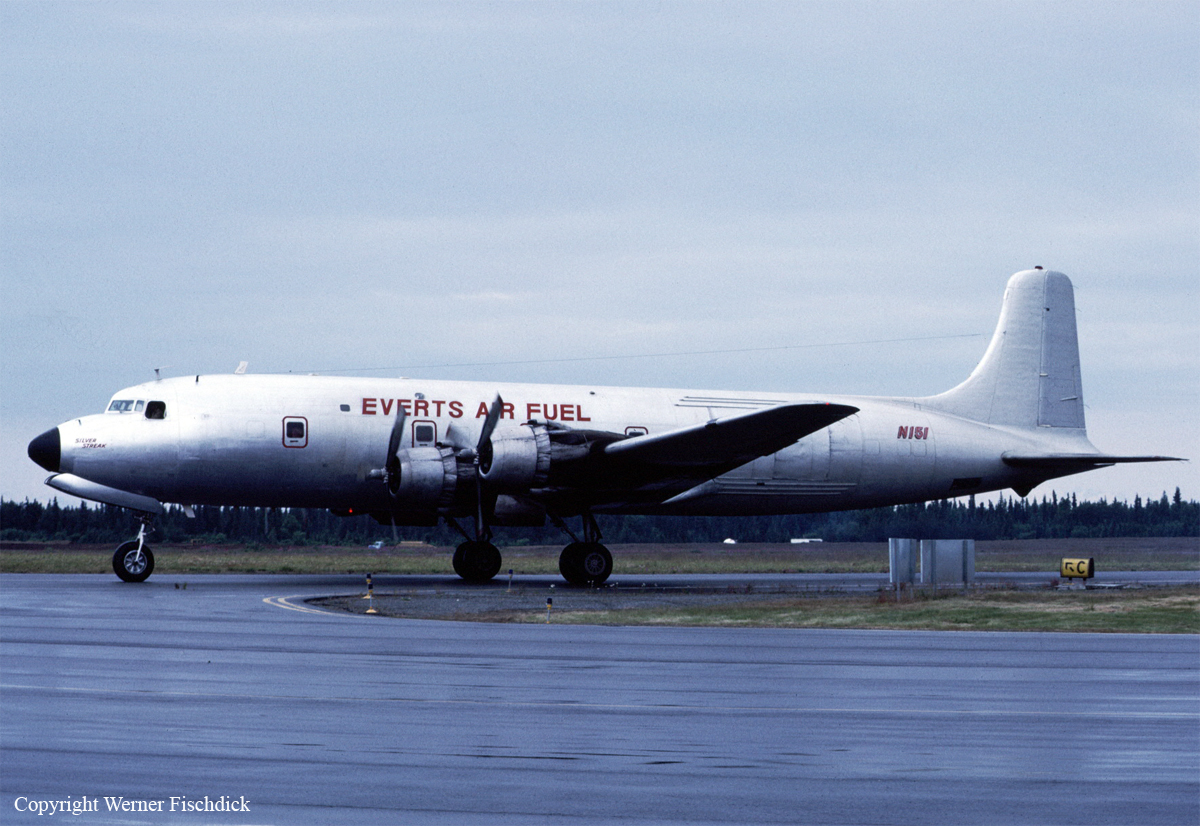
Crash of a Curtiss C-46A-45-CU Commando near Mt Redoubt: 2 killed
Date & Time:
Dec 20, 2000 at 1620 LT
Operator:

Registration:
N1419Z
Survivors:
No
Schedule:
Kenai – Big River Lakes – Nondalton – Kenai
MSN:
30228
YOM:
1944
Crew on board:
2
Crew fatalities:
Pax on board:
0
Pax fatalities:
Other fatalities:
Total fatalities:
2
Captain / Total hours on type:
1540.00
Aircraft flight hours:
10907
Circumstances:
The flight crew was returning from off-loading their cargo at a remote site on the west side of a mountain range. The return flight would provide an option of following a lower mountain pass, or flying over the mountainous terrain. Witnesses related that prior to the flight's departure, the marginal VFR weather conditions began to deteriorate very rapidly, with winds in excess of 50 knots, lowering ceilings, rain, and turbulence. An airmet, valid during the time of the accident, forecast high winds, mountain obscuration, and turbulence. The wreckage of the airplane was located near the crest of a 2,900 feet msl ridge. Wreckage debris was scattered on both sides of the ridge, and the airplane was destroyed by the high speed impact. Inspection of the wreckage disclosed no evidence any mechanical anomalies. A radar track analysis of a target airplane believed to be the accident airplane, depicted a track on a direct route of flight over the mountains from the departure airport towards the destination airport. Altitude data was not received from the target airplane's Mode C transponder, and therefore was extrapolated from the less reliable radar plot information. The maximum altitude plotted was approximately 10,800 feet, prior to a descent as the airplane neared the west side of the range. Mountains along the route of flight exceed 10,000 feet msl.
Probable cause:
The flight crew's decision to continue VFR flight into instrument meteorological conditions. Factors associated with the accident are high winds, turbulence, and low ceilings.
Final Report: