Country

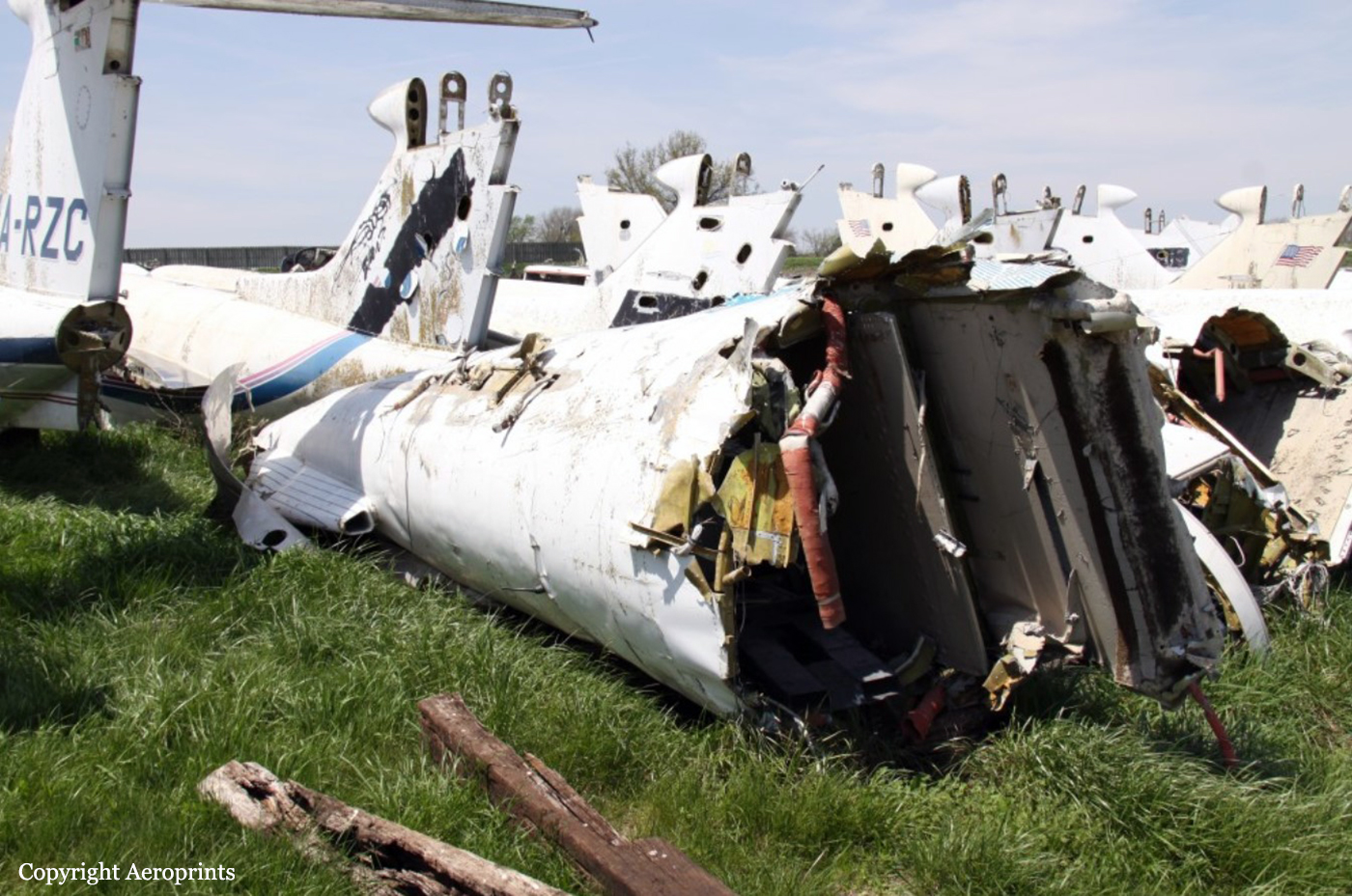
Crash of a Learjet 35A in Cumuatillo: 2 killed

Date & Time: May 2, 1992
Type of aircraft:
Registration:
PT-OEF
Flight Type:
Survivors:
No
Schedule:
Cali - Cumuatillo
MSN:
35-102
YOM:
1972
Country:
Crew on board:
2
Crew fatalities:
Pax on board:
0
Pax fatalities:
Other fatalities:
Total fatalities:
2
Circumstances:
The crew attempted a night landing at Cumuatillo-Pajacuarán Airport that was not equipped with any facilities, tower or lighting systems. The aircraft approached in a wrong position relating to the runway direction and struck the ground near the runway threshold in a near perpendicular heading. It went out of control, crashed and came to rest near a road, broken in several pieces. Both pilots were killed. A load of cocaine was found among the debris.
Probable cause:
The crew was completing an illegal flight from Cali, Colombia, carrying a load of cocaine, and attempted to land by night on an airport that was not suitable for such aircraft and operations. No flight plan was filed and the crew entered illegally the Mexican airspace.
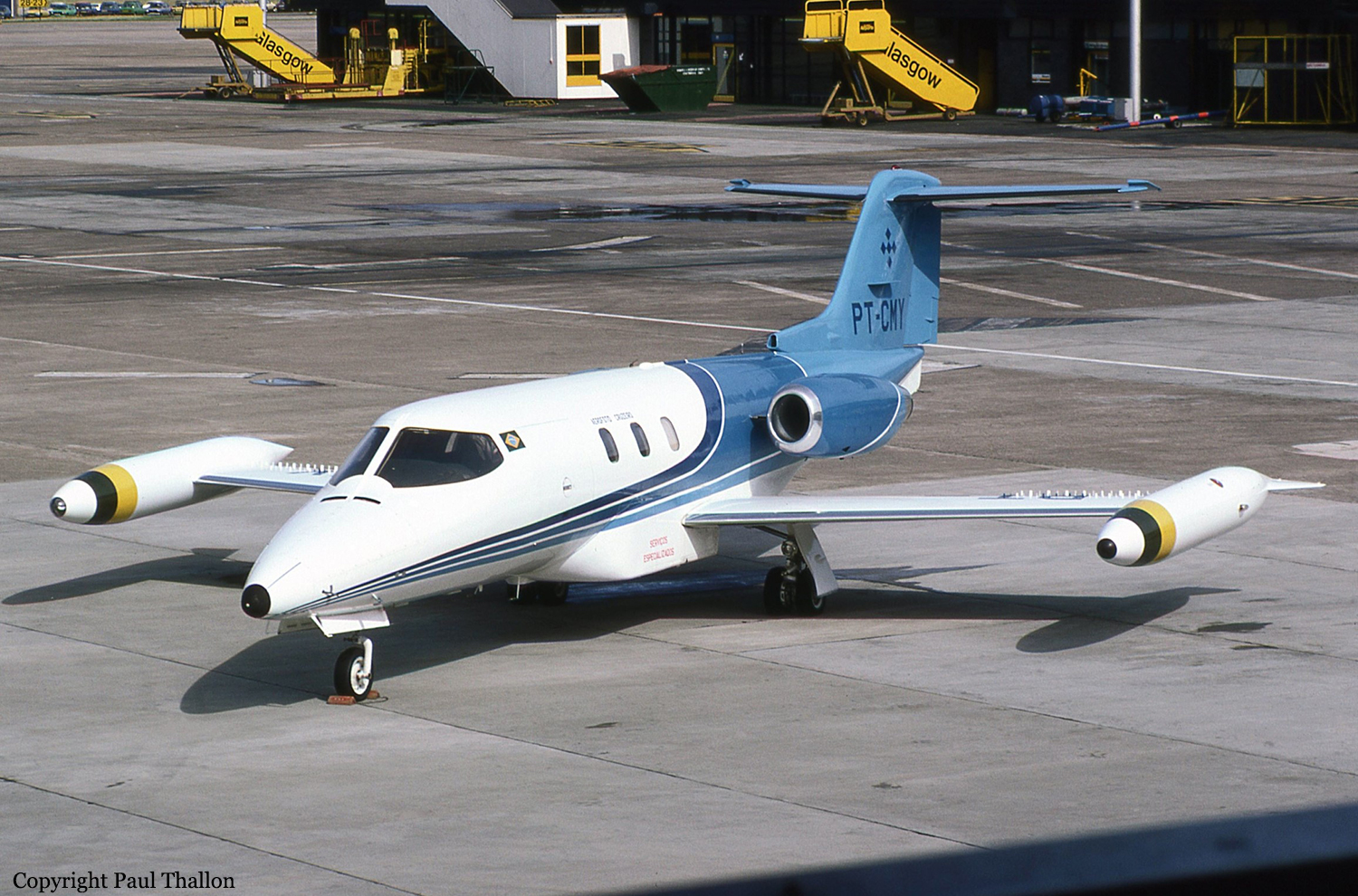
Crash of a Learjet 25C in Juiz de Fora: 2 killed

Date & Time: Apr 6, 1990 at 1503 LT
Type of aircraft:
Registration:
PT-CMY
Flight Type:
Survivors:
Yes
Schedule:
Rio de Janeiro – Juiz de Fora – Belo Horizonte – Monte Carlos
MSN:
25-108
YOM:
1973
Country:
Crew on board:
2
Crew fatalities:
Pax on board:
2
Pax fatalities:
Other fatalities:
Total fatalities:
2
Captain / Total flying hours:
9987
Captain / Total hours on type:
225.00
Copilot / Total flying hours:
2140
Copilot / Total hours on type:
9
Circumstances:
The airplane departed Rio de Janeiro-Santos Dumont Airport at 1440LT on a cargo flight to Monte Carlos with intermediate stops in Juiz de Fora and Belo Horizonte, carrying two passengers, two pilots and a load of bank notes. Because the crew failed to prepare the flight according to procedures, the aircraft departed Santos Dumont with a total weight in excess of 711 kilos. Following a poor flight and approach planning, the crew failed to make the appropriate landing calculations and upon arrival, the total weight of the aircraft was 946 kilos above the max landing weight. The aircraft landed on wet runway 21 and after touchdown, the spoilers did not deployed. Unable to stop within the remaining distance, the aircraft overran, went down a 20 metres ravine and came to rest, bursting into flames. The captain and a passenger were killed while both other occupants were injured. The aircraft was destroyed.
Probable cause:
The following contributing factors were identified:
• Human Factor - Psychological Aspect - It contributed to the occurrence of the accident due to managerial failures, allowing an aircraft to be used improperly and assigning pilots without the necessary training and experience.
• Deficient Instruction - There are indications that it contributed. Given the errors committed in conducting the flight, regarding incorrect and deficient planning, lack of knowledge or disregard for the limitations of the aircraft, considering the conditions existing at the time of the accident, it is believed that there was deficient instruction during the transition phase from other equipment to this one.
• There was inadequate follow-up during the instruction given to the student, due to the failure to complete the flight evaluation forms.
• Poor Cockpit Coordination - the copilot, by participating in the landing operation merely as a spectator, undeniably demonstrates poor coordination among the crew.
• Poor Judgment - the decision to perform the landing under the existing conditions at the time of the accident (wet runway, excess weight, center of gravity outside limits, etc.) demonstrates a completely deficient judgment on the part of the captain. At the time of the accident, runway 03/21 was 1,303 metres long and in light of the above elements, a distance of 3,285 metres was required for the plane to land.
• Poor Planning - this was the determining factor in the occurrence of the accident, as the failure in weight and balance calculations, as well as incorrect loading, culminated in the loss of control during the landing operation, since the aircraft exceeded all operational limits at that moment.
• Deficient Supervision - despite the commander having extensive flight experience, the number of flight hours on the aircraft type proved insufficient for the role of commander, as the data collected during the investigation showed that he did not possess the necessary technical knowledge, compromising his decisions as commander. The copilot, in turn, was still in training. What the pilot knew concretely, in relation to the mission he was to execute, was only the route to be flown. These aspects are consistent with serious supervision failures and the absence of flight safety doctrine in the company.
Final Report:

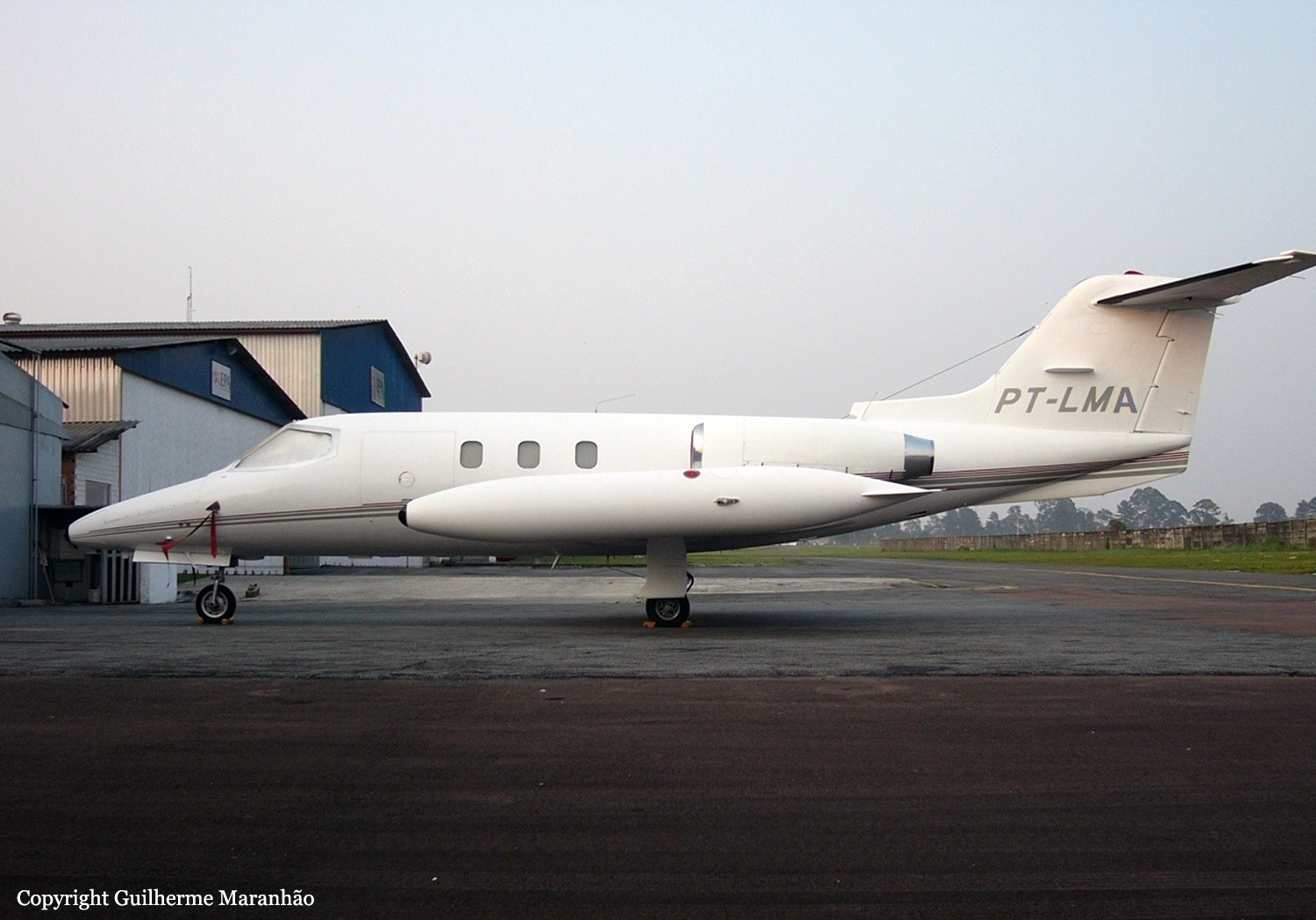
Crash of a Learjet 24F in Macaé: 2 killed

Date & Time: Feb 24, 1988
Type of aircraft:
Registration:
PT-LMA
Survivors:
Yes
Schedule:
Rio de Contas – Macaé
MSN:
24-353
YOM:
1977
Country:
Crew on board:
4
Crew fatalities:
Pax on board:
2
Pax fatalities:
Other fatalities:
Total fatalities:
2
Circumstances:
On final approach to Macaé Airport, both engines lost power simultaneously. The aircraft stalled and crashed few hundred meters short of runway. Both pilots were killed while four other occupants were injured.