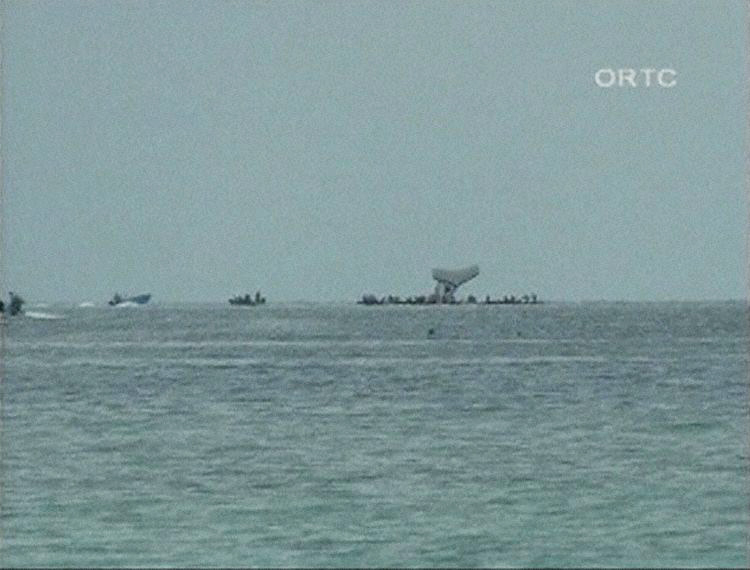
Crash of an Embraer EMB-120ER Brasília off Moroni

Date & Time: Nov 27, 2012 at 1329 LT
Type of aircraft:
Operator:
Registration:
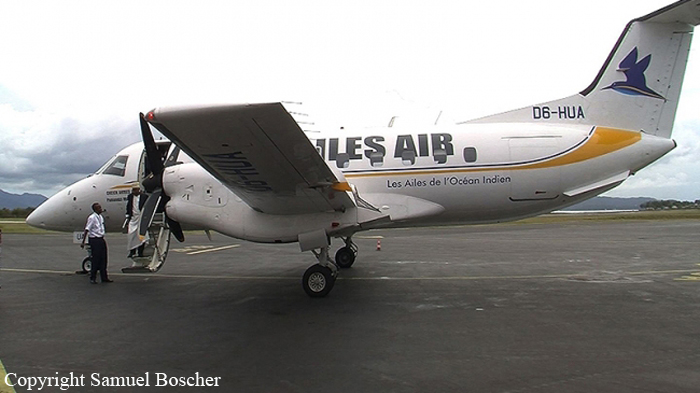
D6-HUA
Flight Phase:
Survivors:
Yes
Schedule:
Moroni - Ouani
MSN:
120-149
YOM:
1989
Flight number:
INZ170
Region:
Crew on board:
4
Crew fatalities:
Pax on board:
25
Pax fatalities:
Other fatalities:
Total fatalities:
0
Captain / Total flying hours:
5000
Captain / Total hours on type:
2000.00
Copilot / Total flying hours:
5000
Circumstances:
The aircraft was on its way from Moroni-Hahaya-Iconi-Prince Saïd Ibrahim Airport to the Ouani Airport located on the neighboring island of Anjouan. Shortly after take off from runway 20, while in initial climb, the captain informed ATC about technical problem and elected to return. He realized he could not make it so he attempted to ditch the aircraft some 200 metres off shore, about 5 km from the airport. All 29 occupants were rescued, among them five were slightly injured.
Crash of an Embraer EMB-120ER Brasília in Port Gentil

Date & Time: Oct 12, 2011 at 0800 LT
Type of aircraft:
Operator:
Registration:
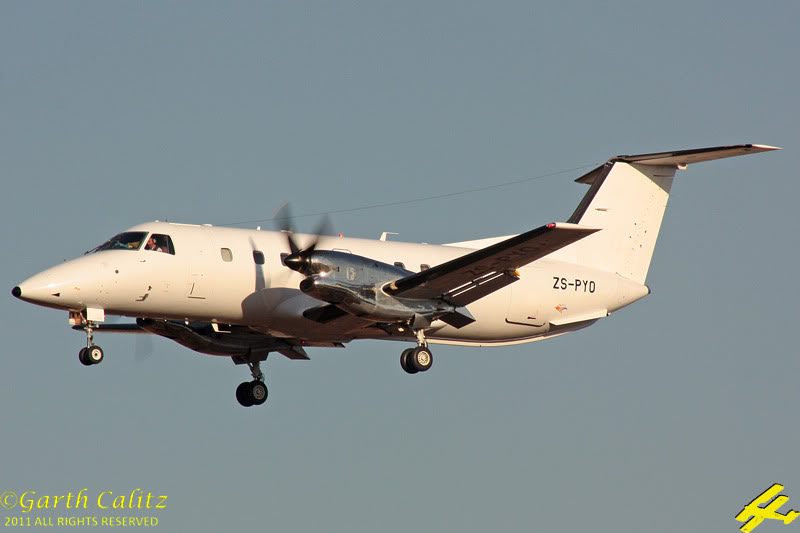
ZS-PYO
Survivors:
Yes
Schedule:
Libreville - Port Gentil
MSN:
120-245
YOM:
1991
Country:
Region:
Crew on board:
3
Crew fatalities:
Pax on board:
27
Pax fatalities:
Other fatalities:
Total fatalities:
0
Circumstances:
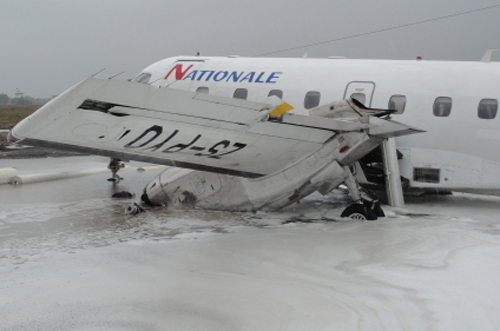
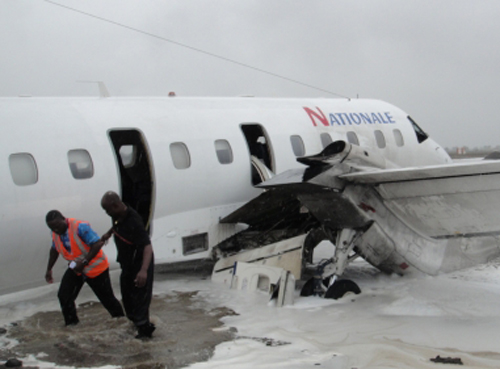
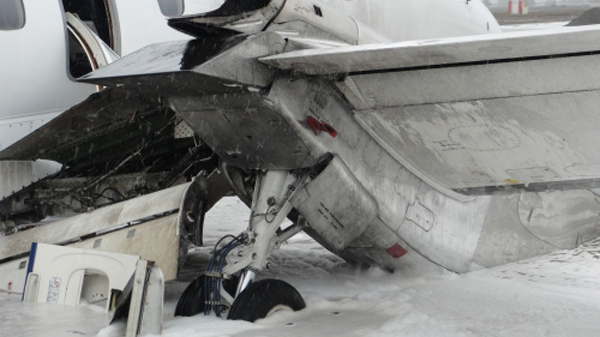
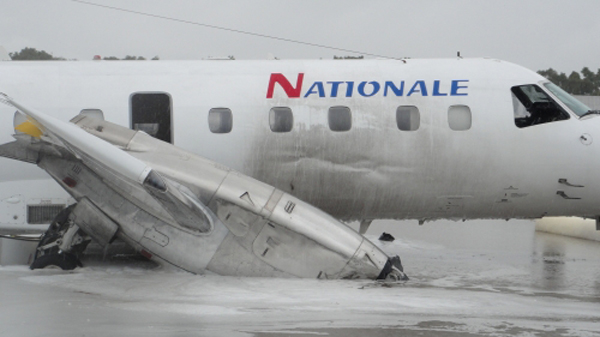
The aircraft was performing a regular schedule flight from Libreville to Port Gentil. The approach was completed in poor weather conditions with low visibility (1,000 metres) due to heavy rain falls. After touchdown, the aircraft did not decelerate as expected, skidded on runway, overran and came to rest down a slight embankment in shallow water. Both engines caught fire and both wings were partially torn off. All 30 occupants evacuated safely while the aircraft was damaged beyond repair. A thunderstorm was passing over the area at the time of the accident.

Crash of an Embraer EMB-120ER Brasília in Huambo: 17 killed

Date & Time: Sep 14, 2011 at 1130 LT
Type of aircraft:
Operator:
Registration:
T-500
Flight Phase:
Flight Type:
Survivors:
Yes
Schedule:
Huambo - Luanda
MSN:
120-359
YOM:
2002
Country:
Region:
Crew on board:
4
Crew fatalities:
Pax on board:
19
Pax fatalities:
Other fatalities:
Total fatalities:
17
Circumstances:
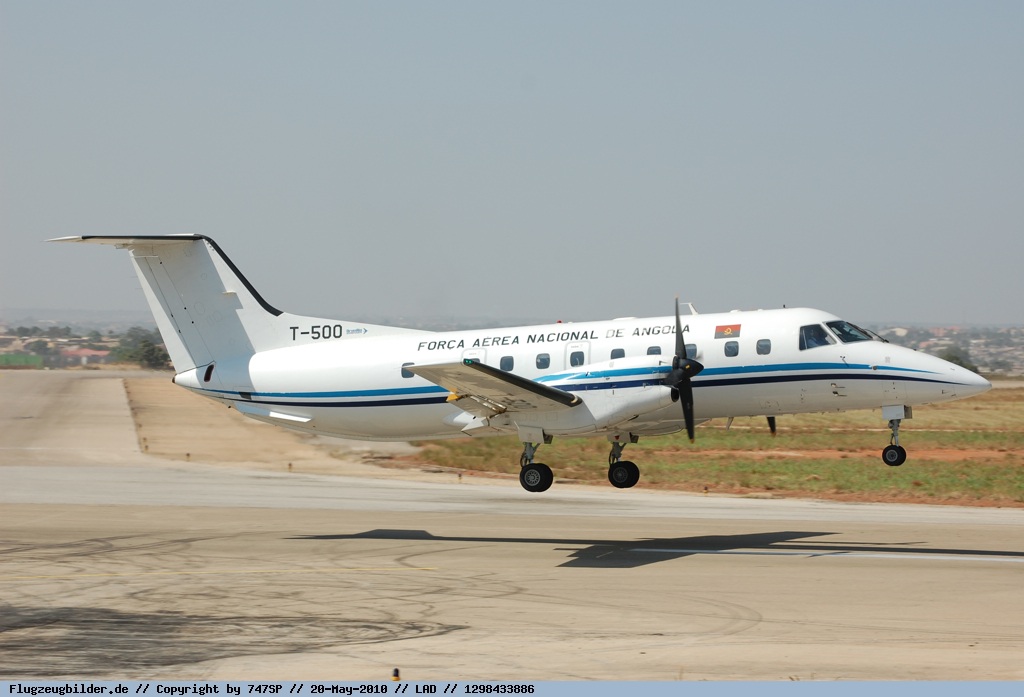
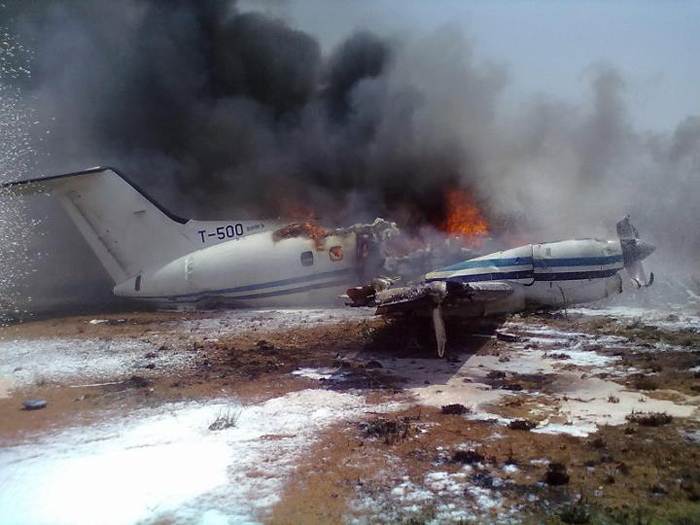
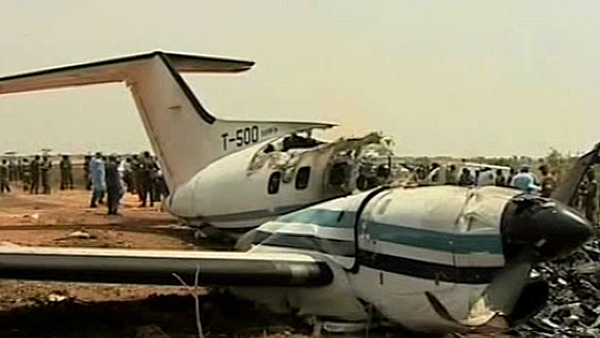
Shortly after take off from Huambo-Albano Machado Airport, the twine engine aircraft stalled and crashed near the runway end, bursting into flames. All four crew and two passengers survived while 17 passengers were killed. There were 11 officers, three generals and six civilians on board. This Embraer Brasilia was the most recent built in service.

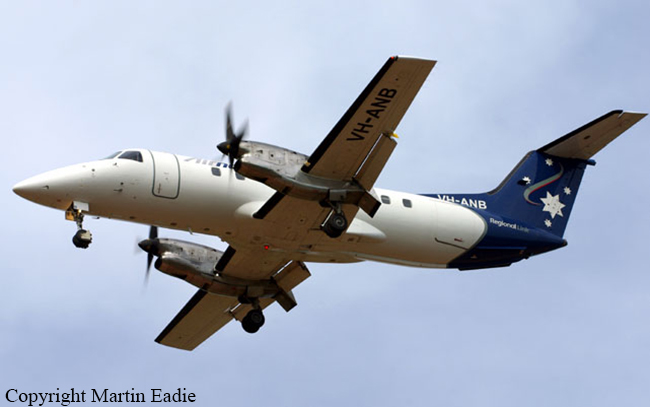
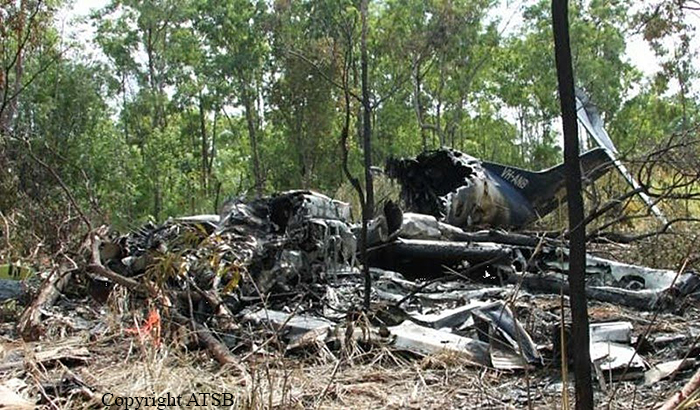
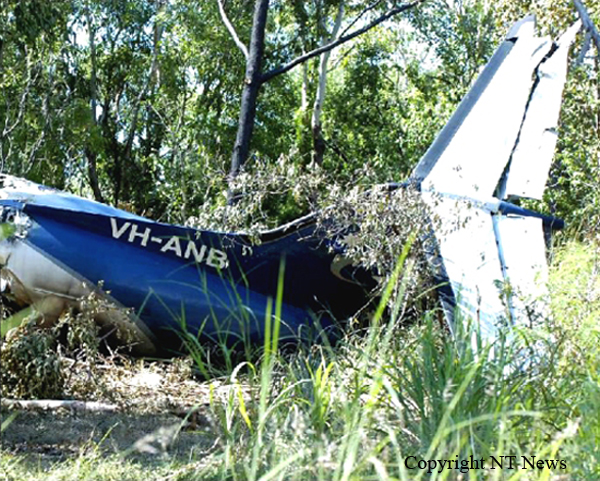
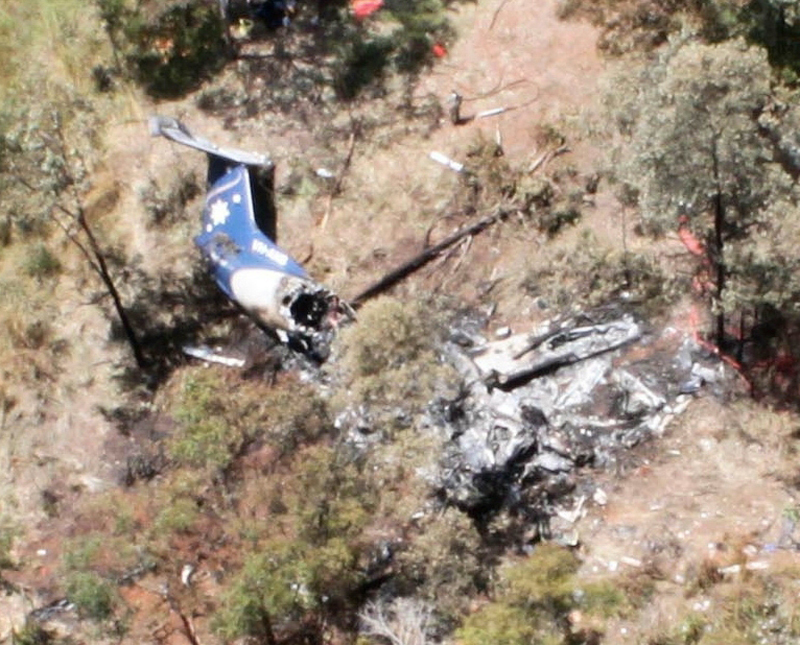
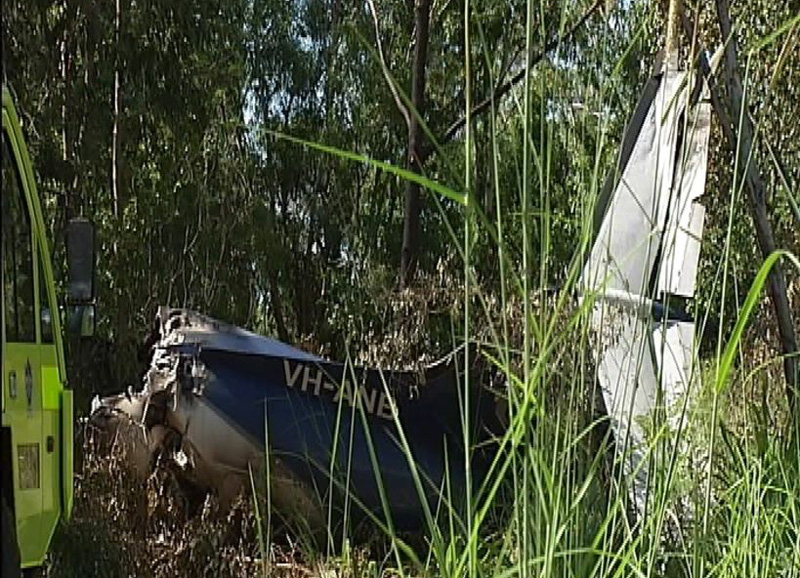
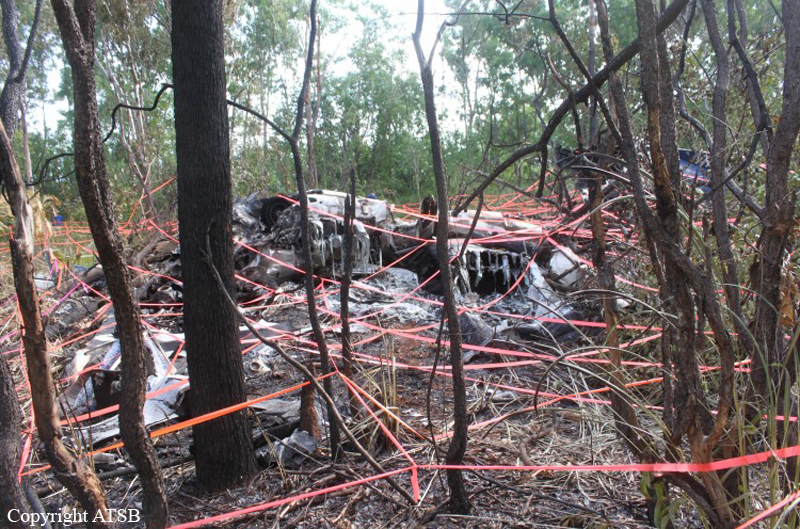
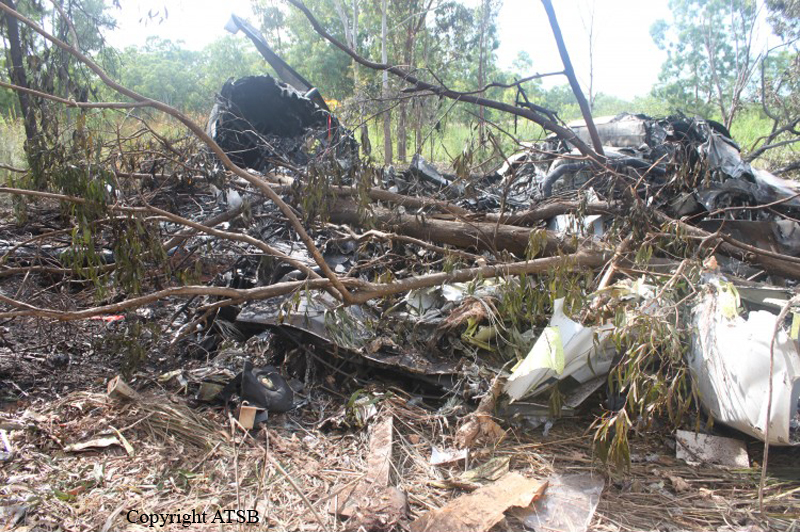
Crash of an Embraer EMB-120ER Brasília in Darwin: 2 killed

Date & Time: Mar 22, 2010 at 1009 LT
Type of aircraft:
Operator:
Registration:
VH-ANB
Flight Phase:
Flight Type:
Survivors:
No
Schedule:
Darwin - Darwin
MSN:
120-116
YOM:
1988
Country:
Region:
Crew on board:
2
Crew fatalities:
Pax on board:
0
Pax fatalities:
Other fatalities:
Total fatalities:
2
Captain / Total flying hours:
8217
Captain / Total hours on type:
3749.00
Copilot / Total flying hours:
5664
Copilot / Total hours on type:
3085
Aircraft flight hours:
32799
Aircraft flight cycles:
33700
Circumstances:
Aircraft crashed moments after takeoff from runway 29 at Darwin Airport, Northern Territory, fatally injuring both pilots. The flight was for the purpose of revalidating the command instrument rating of the pilot under check and was under the command of a training and checking captain, who occupied the copilot’s seat. The takeoff included a simulated engine failure. Data from the aircraft’s flight recorders was used to establish the circumstances leading to the accident and showed that the pilot in command (PIC) retarded the left power lever to flight idle to simulate an engine failure. That introduced a simulated failure of the left engine and propeller autofeathering system. The increased drag from the ‘windmilling’ propeller increased the control forces required to maintain the aircraft’s flightpath. The pilot under check allowed the speed to decrease and the aircraft to bank toward the inoperative engine. Additionally, he increased power on the right engine, and engaged the yaw damper in an attempt to stabilize the aircraft’s flight. Those actions increased his workload and made control of the aircraft more difficult. The PIC did not restore power to the left engine to discontinue the manoeuvre. The few seconds available before the aircraft became uncontrollable were insufficient to allow ‘trouble shooting’ and deliberation before resolving the situation.
Probable cause:
• The pilot in command initiated a simulated left engine failure just after becoming airborne and at a speed that did not allow adequate margin for error.
• The pilot in command simulated a failure of the left engine by selecting flight idle instead of zero thrust, thereby simulating a simultaneous failure of the left engine and its propeller autofeather system, instead of a failure of the engine alone.
• The pilot under check operated the aircraft at a speed and attitude (bank angle) that when uncorrected, resulted in a loss of control.
• The pilot under check increased his workload by increasing torque on the right engine and selecting the yaw damper.
• The pilot in command probably became preoccupied and did not abandon the simulated engine failure after the heading and speed tolerance for the manoeuvre were exceeded and before control of the aircraft was lost.
Final Report: