Zone

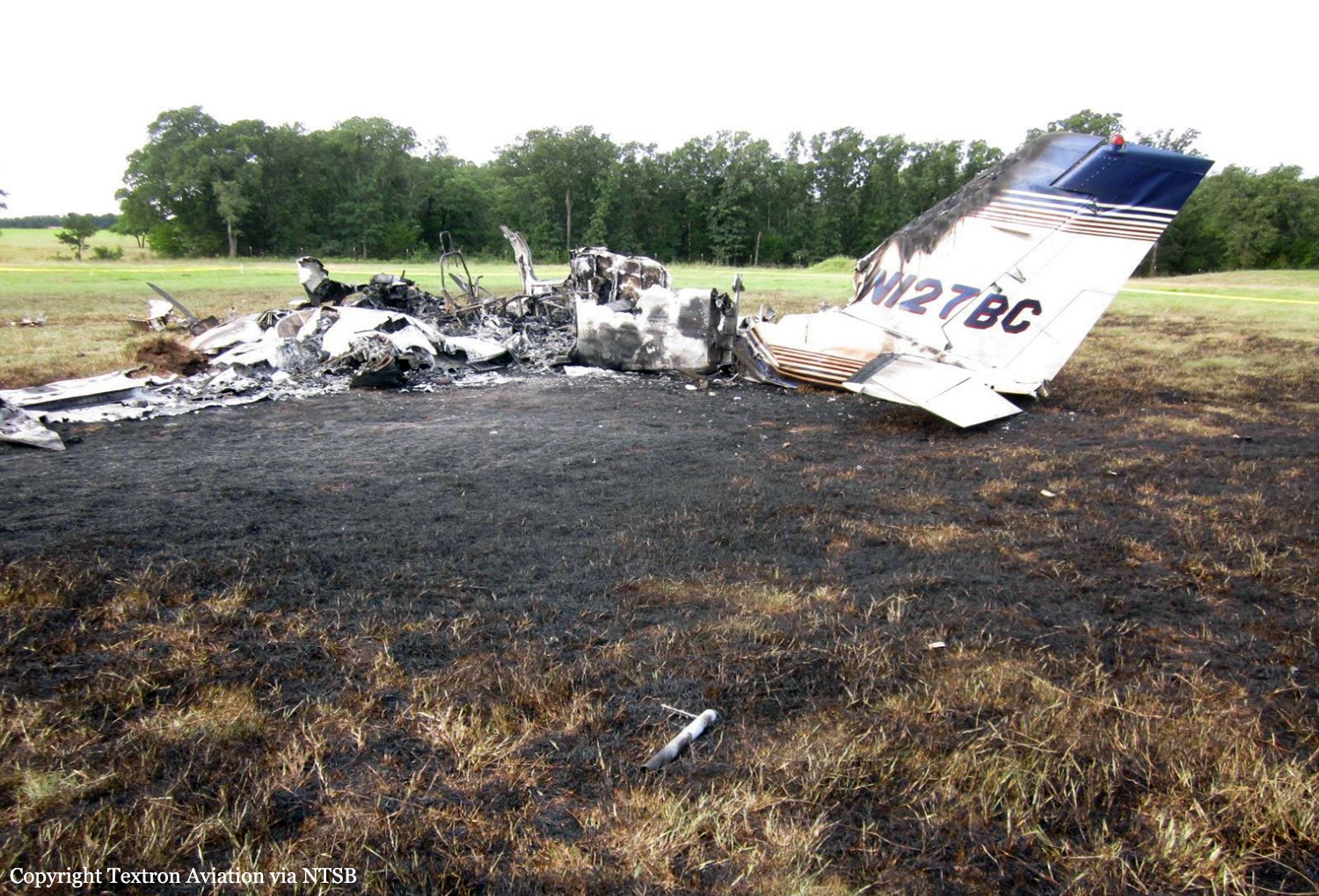
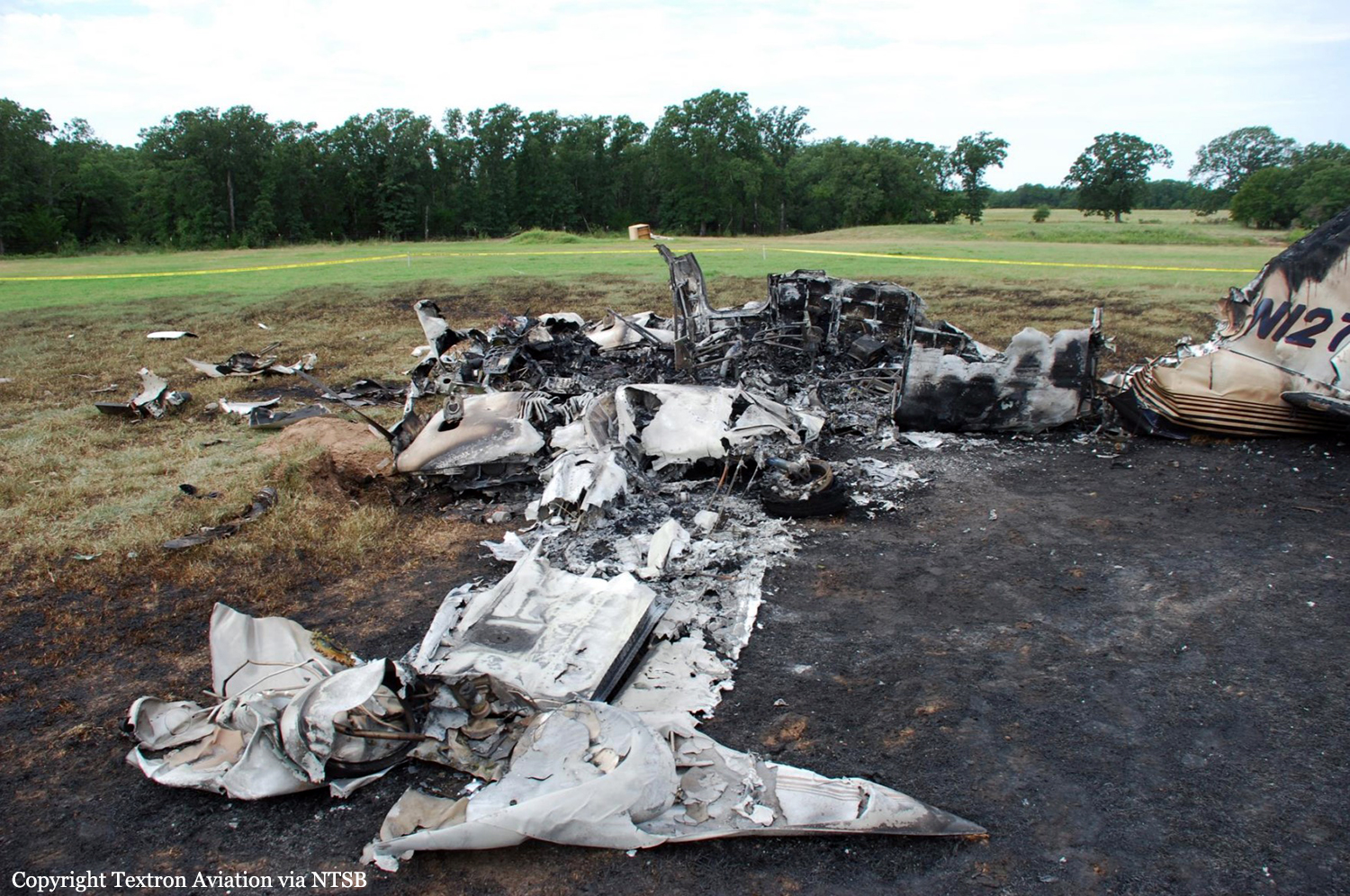
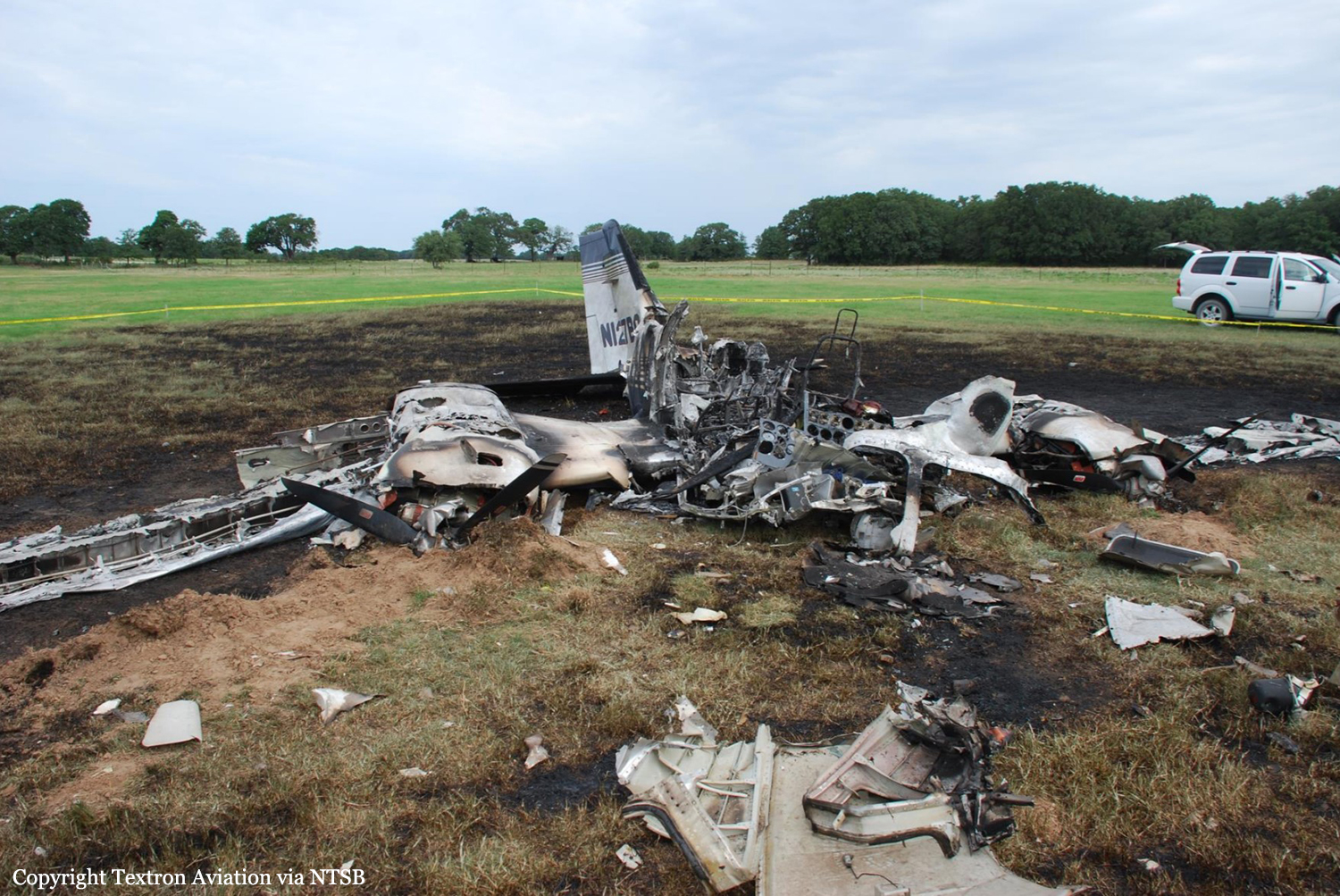
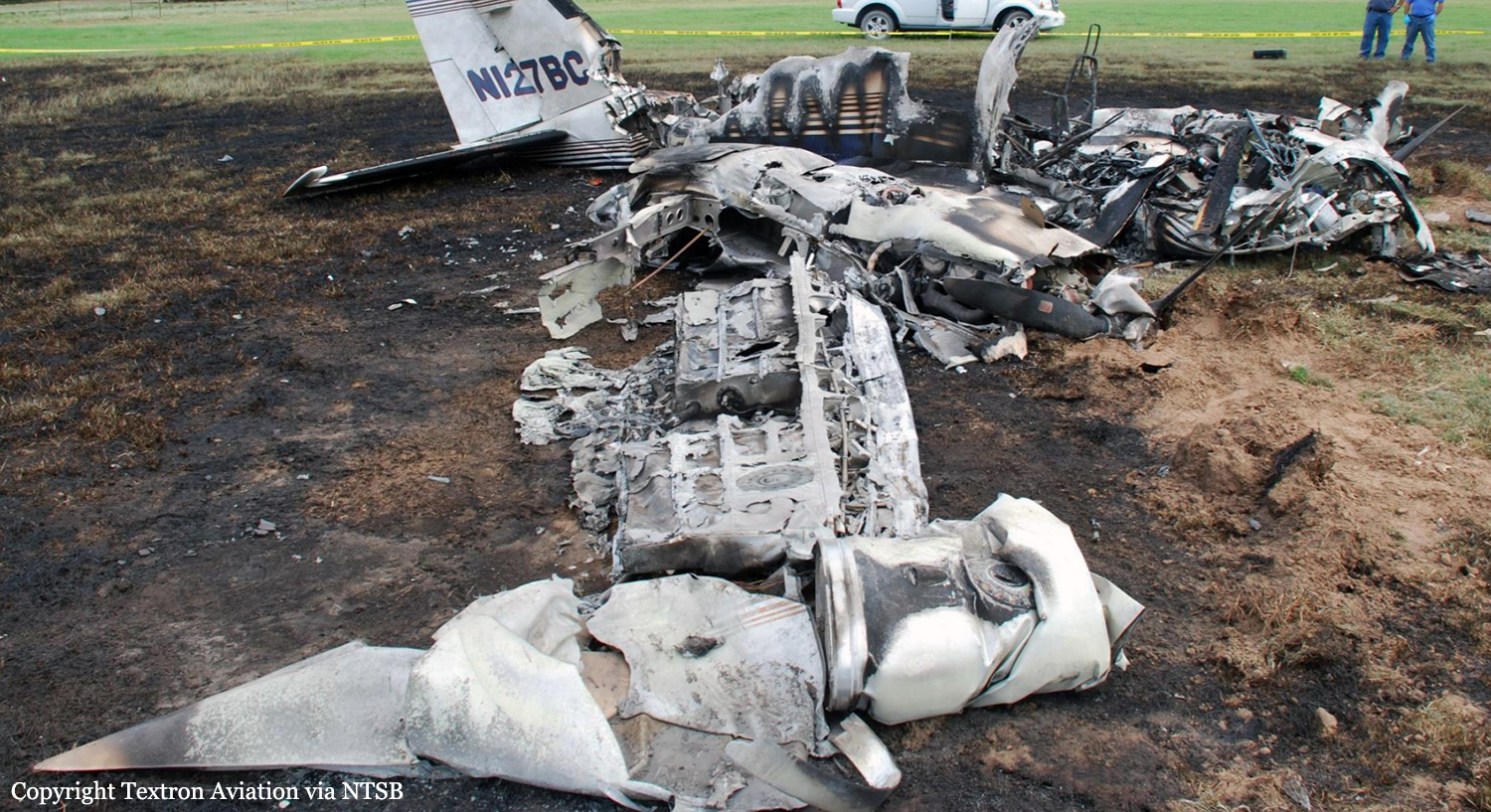
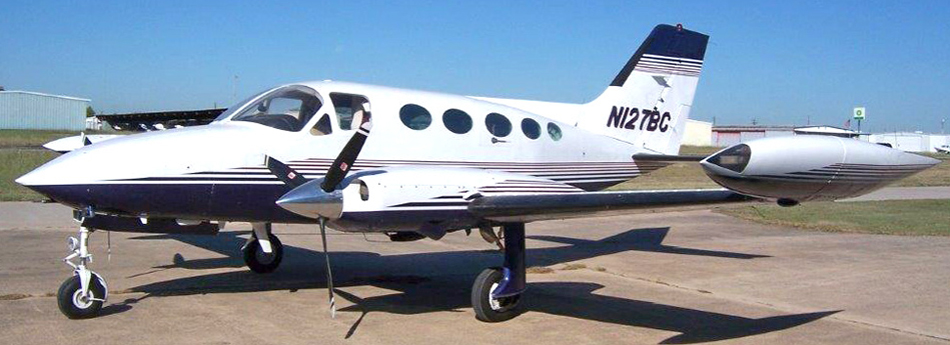
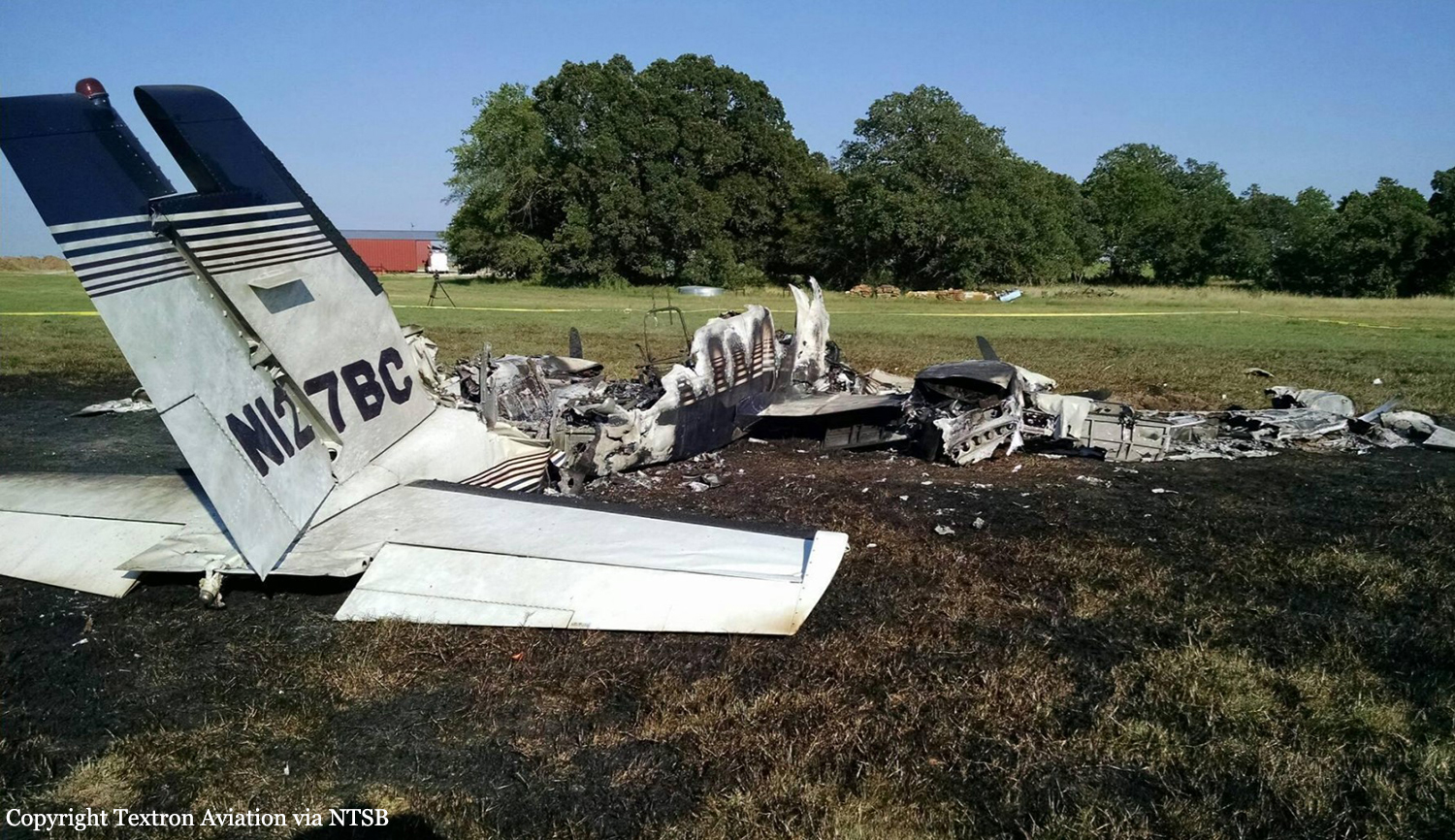
Crash of a Cessna 414 Chancellor in Bowie: 2 killed

Date & Time: Aug 15, 2014 at 1535 LT
Type of aircraft:
Registration:
N127BC
Flight Type:
Survivors:
No
Schedule:
La Porte - Bowie
MSN:
414-0519
YOM:
1974
Location:
Crew on board:
1
Crew fatalities:
Pax on board:
1
Pax fatalities:
Other fatalities:
Total fatalities:
2
Captain / Total flying hours:
1200
Captain / Total hours on type:
15.00
Aircraft flight hours:
4256
Circumstances:
The twin engine aircraft, owned by Lawrence R. Liptack, crashed in flames in an open field located northeast of Bowie, Texas. The pilot and owner, aged 51, was killed with his son aged 10. The multi-engine airplane was about 500 ft above ground level (agl) and on a left base landing approach when a witness saw the airplane suddenly point straight down, begin spinning, and make three complete rotations before impacting terrain in a partially nose-down attitude. The airplane came to rest upright, and was mostly consumed by an immediate post impact fire. A post accident examination of the wreckage revealed no evidence of preimpact mechanical malfunctions or failures that would have precluded normal operation. A pilot operating another pipeline patrol airplane in the vicinity reported frequent severe-to-extreme turbulence about 1,000-2,000 ft above ground level. Data from an on-board GPS unit indicated that, while on the base leg of the airport traffic pattern for landing, the accident airplane's airspeed decayed 10 knots below the manufacturer's recommended approach speed for turbulent conditions. An autopsy performed on the pilot found significant existing atherosclerotic disease (60 to 80 percent) and described evidence of an acute, premortem, nonocclusive thrombosis of the left anterior descending coronary artery. The medical examiner's conclusion stated it "appears the decedent likely suffered an acute cardiac event while piloting his aircraft" and "died primarily due to hypertensive and atherosclerotic cardiovascular disease and that his multiple blunt force injuries likely contributed to his death." It is likely that the pilot was incapacitated due to the acute cardiac event and lost control of the airplane during the approach to land.
Probable cause:
The pilot's incapacitation in flight as the result of a an acute cardiac event, which resulted in a loss of control and collision with terrain.
Final Report:
Crash of a Piper PA-61 Aerostar (Ted Smith 601) in Mexia

Date & Time: Sep 21, 2005 at 1930 LT
Operator:
Registration:
N909KF
Flight Phase:
Flight Type:
Survivors:
Yes
Schedule:
Mexia – La Porte
MSN:
61-0484-196
YOM:
1978
Location:
Crew on board:
1
Crew fatalities:
Pax on board:
4
Pax fatalities:
Other fatalities:
Total fatalities:
0
Captain / Total flying hours:
700
Captain / Total hours on type:
48.00
Circumstances:
The 700-hour private pilot flying the twin-engine airplane with four passengers aboard used approximately three-quarters of runway 18 before becoming airborne. After establishing a positive rate of climb, the pilot retracted the landing gear and pitched the airplane for a 92 knot climb. Shortly thereafter the rate of climb decreased and the airplane's control authority began to decay. The pilot responded by applying full throttle to both engines and reduced the angle of attack in an attempt to regain airspeed. The pilot was able to arrest the airplane's decaying airspeed and descent; however, the airplane collided with a barn and then a grassy field before coming to rest in an upright position. The pilot and passengers were able to egress the airplane unassisted and the airplane was engulfed in flames a few minutes later. About 23 minutes after the mishap the weather reporting station 24 miles north of the accident site reported, the wind from 230 degrees at 6 knots, the temperature 84 degrees Fahrenheit, and dew point of 60 degrees Fahrenheit. Runway 18 was reported as a 4,002-foot long by 60-foot wide asphalt runway with trees near the departure end. The field elevation at the airport was reported at 544 feet and the density altitude was calculated at 1,860 feet. The estimated weight of the airplane at the time of departure was near its maximum gross weight of 6,000 pounds. The pilot reported that he had not performed a weight and balance check, calculated density altitude, and was not sure of how much fuel was onboard the airplane prior to departure. The pilot further reported that there were no apparent anomalies with the airplane.
Probable cause:
The pilot's failure to maintain clearance from the barn. Contributing factors were the pilot's inadequate preflight planning/preparation and the high-density altitude.
Final Report: