

Date & Time:
Jul 15, 2024 at 1553 LT
Type of aircraft:
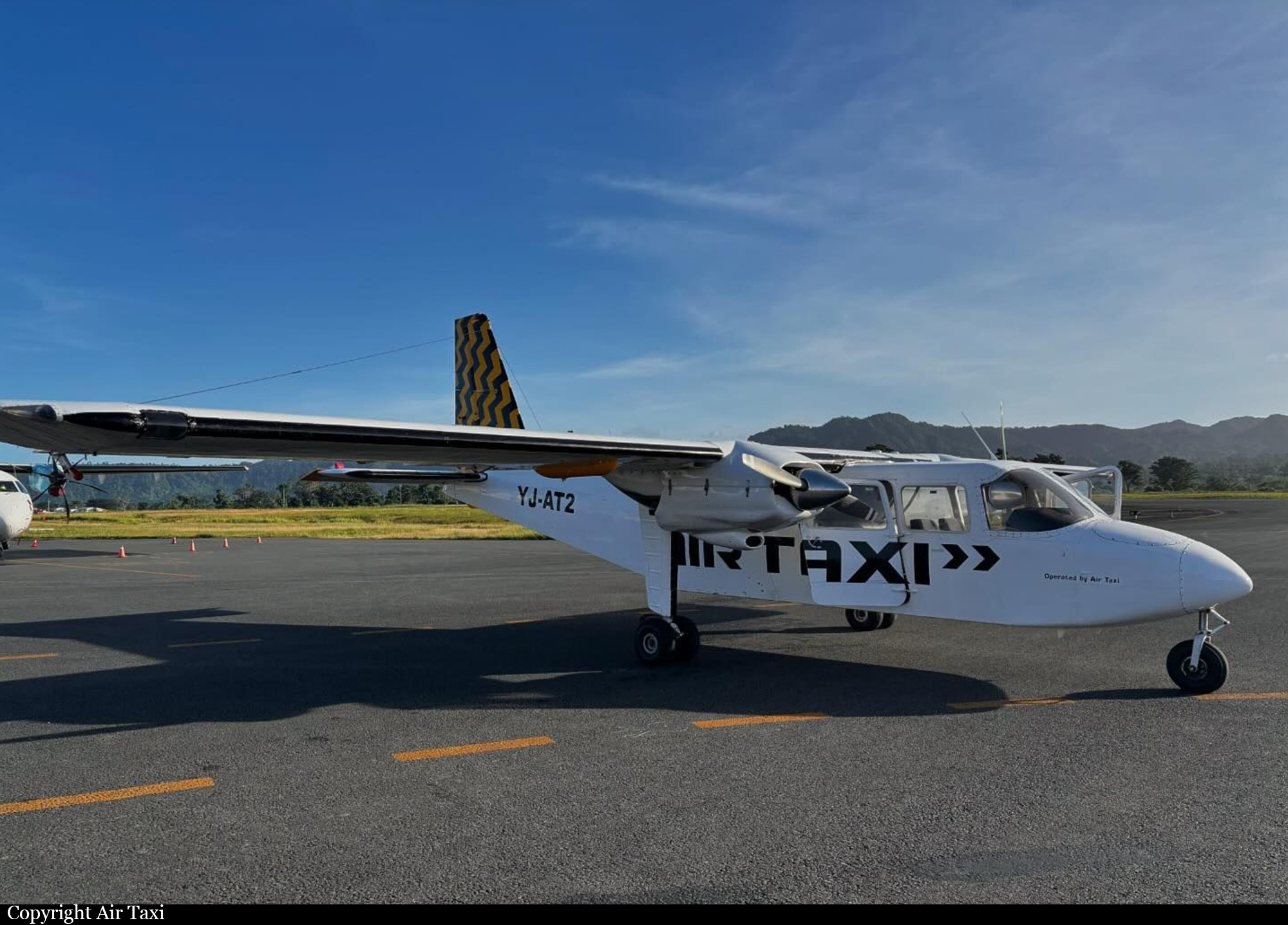
Britten-Norman Islander
Operator:

Registration:
YJ-AT2
Flight Phase:
Landing (descent or approach)
Flight Type:
Charter/Taxi (Non Scheduled Revenue Flight)
Survivors:
Yes
Schedule:
Aneityum – Port Vila
MSN:
188
YOM:
1970
Country:
Vanuatu
Region:
Oceania
Crew on board:
1
Crew fatalities:
0
Pax on board:
4
Pax fatalities:
1
Other fatalities:
0
Total fatalities:
1
Captain / Total hours on type:
2000
Aircraft flight hours:
22027
Circumstances:
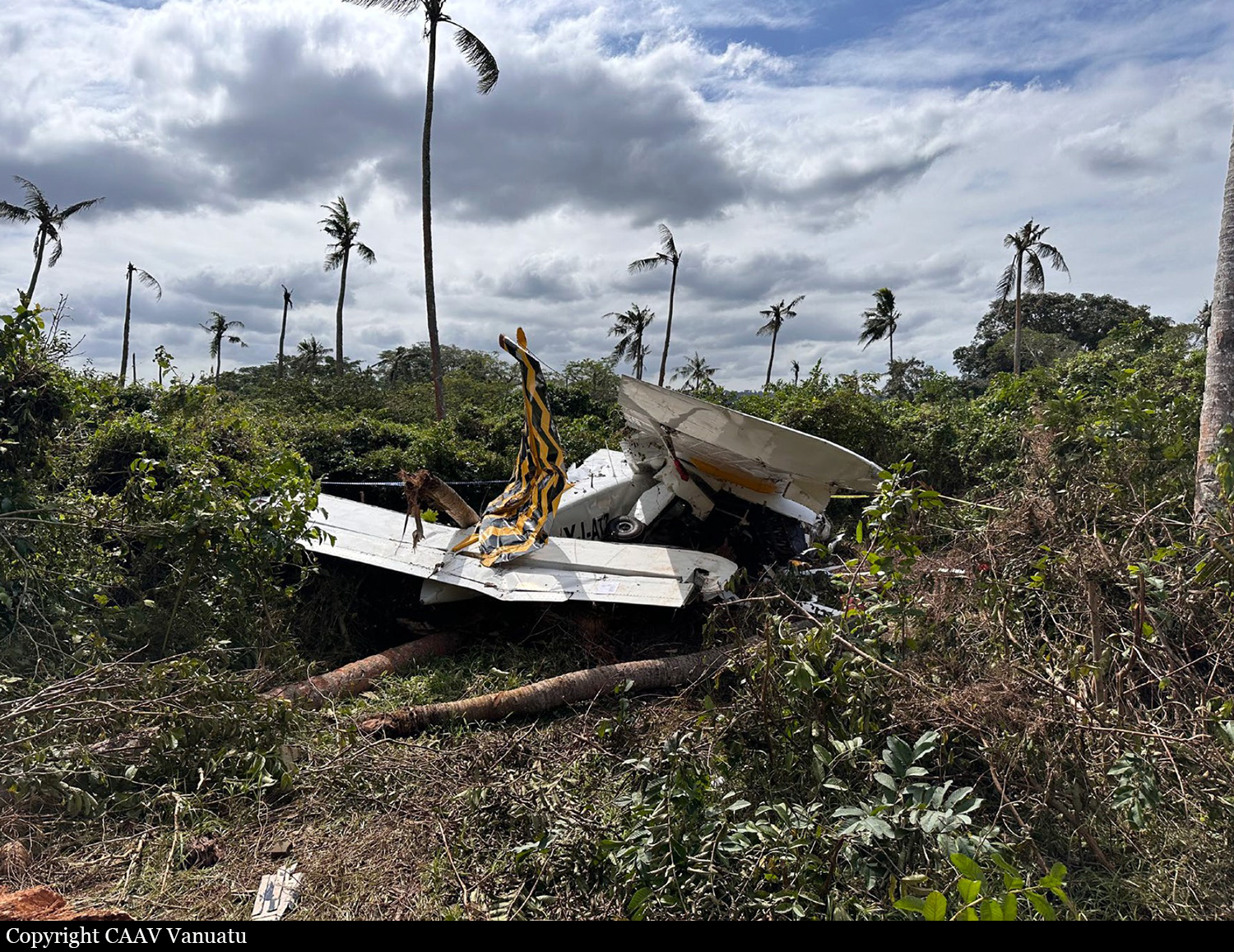
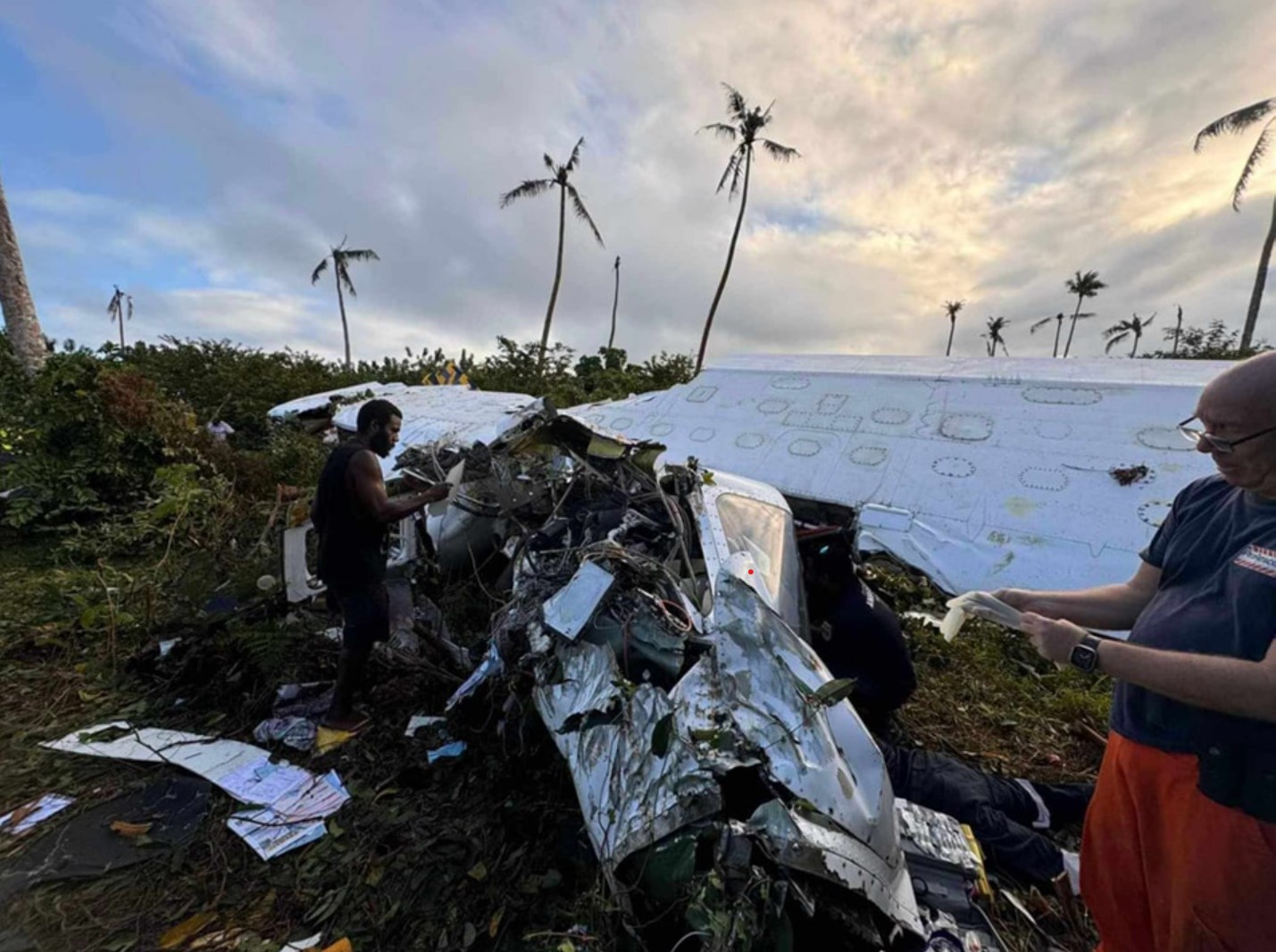
The airplane departed Port Vila International Airport at 1229LT, carrying 6 passengers to Tanna, 217 km to the south-south-east. The pilot then continued a further 106 km south-south-east to Mystery Island, Aneityum, arriving at 1402. After picking up 4 passengers, the aircraft departed Aneityum at 1412, destined for Port Vila. About 130 km from Port Vila, the pilot observed the fuel quantity gauges indicating significantly less fuel remaining than expected. The pilot elected to continue over water to Port Vila, and about 24 km from the runway, the right engine surged and subsequently stopped producing power. About 3 minutes later, the pilot advised air traffic control that they were 15 km from the airport at 4,000 ft, and the controller responded with a clearance to land on runway 29. No engine noise was detected in that transmission. Four minutes later, the pilot declared a MAYDAY and advised the controller that they were 9 km from the runway, at 1,500 ft and attempting to land at the airport. During that transmission, one engine surged briefly and then stopped. The pilot then radioed that they were losing altitude and would be landing in a farm. The aircraft collided with 2 coconut trees before impacting the ground. One passenger was fatally injured, 2 passengers sustained serious injuries, the pilot and one passenger sustained minor injuries, and the aircraft was destroyed.
Probable cause:
Double engine failure in flight caused by a fuel starvation.
The following findings were identified:
• The pilot did not ensure there was sufficient fuel on board for the planned flight from Aneityum to Port Vila.
• When the pilot identified that there was less fuel on board and higher fuel flow than planned, they elected to continue to Port Vila rather than divert to other suitable aerodromes. Having committed to continue, the pilot then did not lean the mixtures or attempt to transfer fuel from auxiliary tanks (unaware the right auxiliary tank contained usable fuel) to increase endurance. As a result, the engines stopped due to fuel starvation, with usable fuel remaining in one auxiliary tank.
• The pilot did not feather the propellers when the engines stopped and did not maintain optimal airspeed in the time between the first and second engines stopping. Thes actions reduced the pilot’s options and resulted in a forced landing into a coconut plantation.
• The chief pilot misunderstood the chief engineer's verbal instructions regarding engine run-in requirements as a need to operate the engine with the mixture at full rich for at least 25 hours. The chief pilot then conveyed this to other company pilots without providing amended fuel flow figures for pilots' use in flight planning.
• High operational tempo in the months leading up to the accident, and the absence of flight crew workload management, increased the risk of fatigue affecting pilot performance. (Safety issue)
• The forced landing was conducted with a tailwind and the pilot did not extend flaps to allow a slower airspeed immediately prior to the collision to reduce impact forces, which increased the injury risk.
• The passenger seats were fitted with lap belts only and no upper torso restraints, increasing the risk of injury during a ground collision.
The following findings were identified:
• The pilot did not ensure there was sufficient fuel on board for the planned flight from Aneityum to Port Vila.
• When the pilot identified that there was less fuel on board and higher fuel flow than planned, they elected to continue to Port Vila rather than divert to other suitable aerodromes. Having committed to continue, the pilot then did not lean the mixtures or attempt to transfer fuel from auxiliary tanks (unaware the right auxiliary tank contained usable fuel) to increase endurance. As a result, the engines stopped due to fuel starvation, with usable fuel remaining in one auxiliary tank.
• The pilot did not feather the propellers when the engines stopped and did not maintain optimal airspeed in the time between the first and second engines stopping. Thes actions reduced the pilot’s options and resulted in a forced landing into a coconut plantation.
• The chief pilot misunderstood the chief engineer's verbal instructions regarding engine run-in requirements as a need to operate the engine with the mixture at full rich for at least 25 hours. The chief pilot then conveyed this to other company pilots without providing amended fuel flow figures for pilots' use in flight planning.
• High operational tempo in the months leading up to the accident, and the absence of flight crew workload management, increased the risk of fatigue affecting pilot performance. (Safety issue)
• The forced landing was conducted with a tailwind and the pilot did not extend flaps to allow a slower airspeed immediately prior to the collision to reduce impact forces, which increased the injury risk.
• The passenger seats were fitted with lap belts only and no upper torso restraints, increasing the risk of injury during a ground collision.
Final Report:
YJ-AT2.pdf2.39 MB