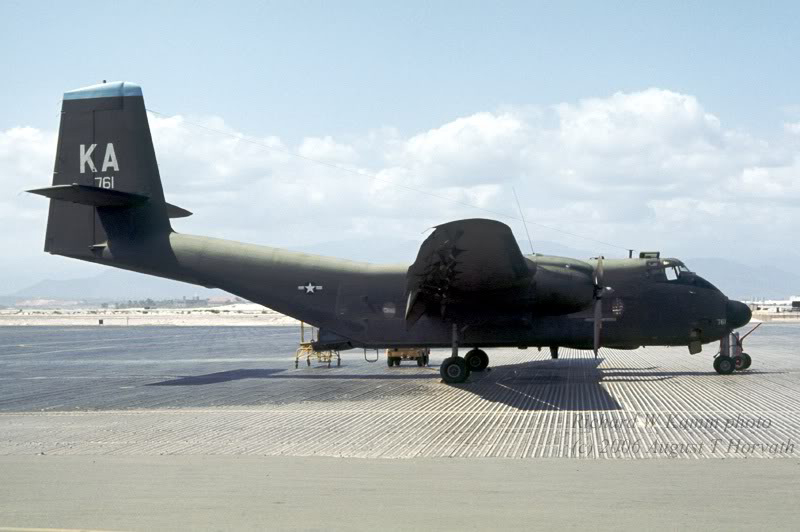
Crash of a De Havilland C-7B Caribou near An Lộc: 3 killed

Date & Time: Aug 26, 1968
Type of aircraft:
Operator:
Registration:
62-4177
Flight Phase:
Flight Type:
Survivors:
No
MSN:
118
YOM:
1963
Country:
Region:
Crew on board:
3
Crew fatalities:
Pax on board:
0
Pax fatalities:
Other fatalities:
Total fatalities:
3
Circumstances:
While on an airlift flight near the Cambodian border, the aircraft was hit by enemy fire on its starboard wing. The airplane went out of control and crashed in flames, killing all three crew members.
Crew:
Cpt Robert George Bull,
1st Lt Ralph William Manners,
A1C David Frederick Sleeper.
Probable cause:
Shot down by enemy fire.

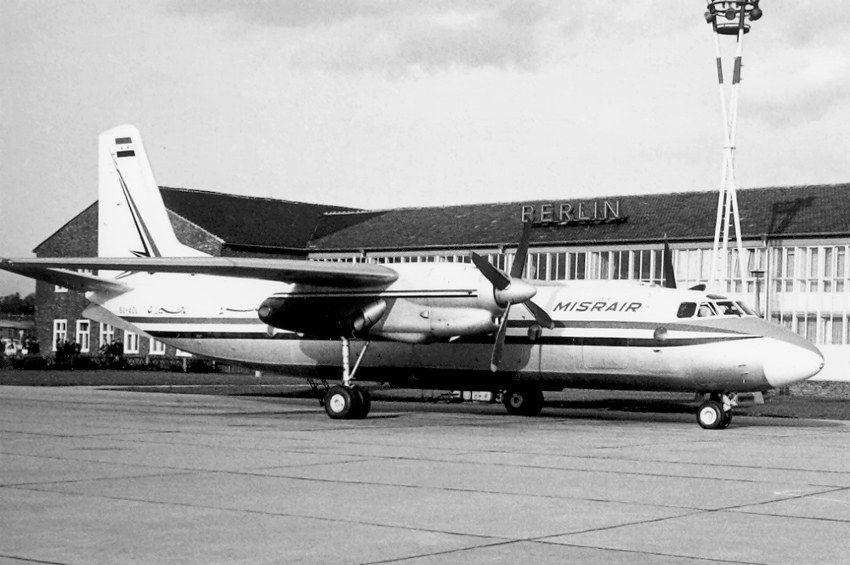
Crash of an Antonov AN-24B into the Mediterranean Sea: 40 killed

Date & Time: Aug 18, 1968 at 1221 LT
Type of aircraft:
Operator:
Registration:
SU-AOL
Flight Phase:
Survivors:
No
Schedule:
Cairo - Damascus
MSN:
67302806
YOM:
1966
Country:
Region:
Crew on board:
7
Crew fatalities:
Pax on board:
33
Pax fatalities:
Other fatalities:
Total fatalities:
40
Circumstances:
While in cruising altitude over the Mediterranean Sea on a flight from Cairo to Damascus, the aircraft went out of control and crashed in unknown circumstances into the sea. SAR operations were conducted and several debris were found about 180 km south of the Cyprus coast. None of 40 occupants was found alive and the main wreckage was not recovered.
Probable cause:
Due to lack of evidences, the exact cause of the accident could not be determined with certainty.

Crash of a Fletcher FU-24-1160 near Tamaurunui: 1 killed

Date & Time: Aug 13, 1968 at 1117 LT
Type of aircraft:
Operator:
Registration:
ZK-BHQ
Flight Phase:
Survivors:
No
MSN:
19
YOM:
1955
Country:
Region:
Crew on board:
1
Crew fatalities:
Pax on board:
0
Pax fatalities:
Other fatalities:
Total fatalities:
1
Circumstances:
The single engine airplane was engaged in an aerial topdressing operation on a farm near Taumarunui. On the 43rd sortie of the day the aircraft failed to return to the airstrip as expected and a search found the crashed and burning Fletcher about mid-way between the sowing area and the airstrip. The aircraft was destroyed by impact forces and the fire was largely confined to the engine bay and cockpit. The pilot Robert Neville Scott was dead. Evidence showed that the pilot had made a 90 degree turn back towards the airstrip and had commenced jettisoning the 20 hundredweight ( 2,240 pounds, 995 kg ) superphosphate hopper load. The aircraft collided with the terrain on a 15 degree rising grassy slope at a low forward speed and high rate of descent. About 15 hundredweight of the load was still in the hopper. Both fuel tanks had been ruptured in the crash and there was an absence of Avtur odour on the ground around the LH tank. The engine was producing high rotational energy at the time of impact. There was no evidence of mechanical failure prior to impact. An autopsy of the pilot produced no evidence that the fire had begun in the air.
Probable cause:
The following findings were reported:
- An in-flight emergency arose and influenced the pilot either to initiate a return to the airstrip or to make an immediate forced landing,
- The evidence suggests but does not conclusively prove that insufficient fuel flow resulting in partial loss of engine power influenced the pilot so to act,
- The emergency arose at a time when fuel quantity was marginal for continued operation without refuelling.

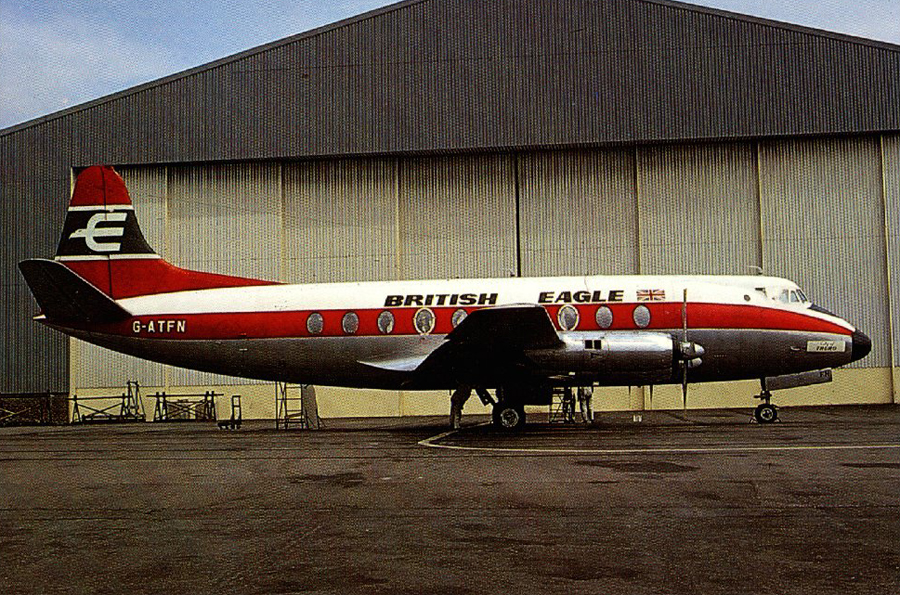
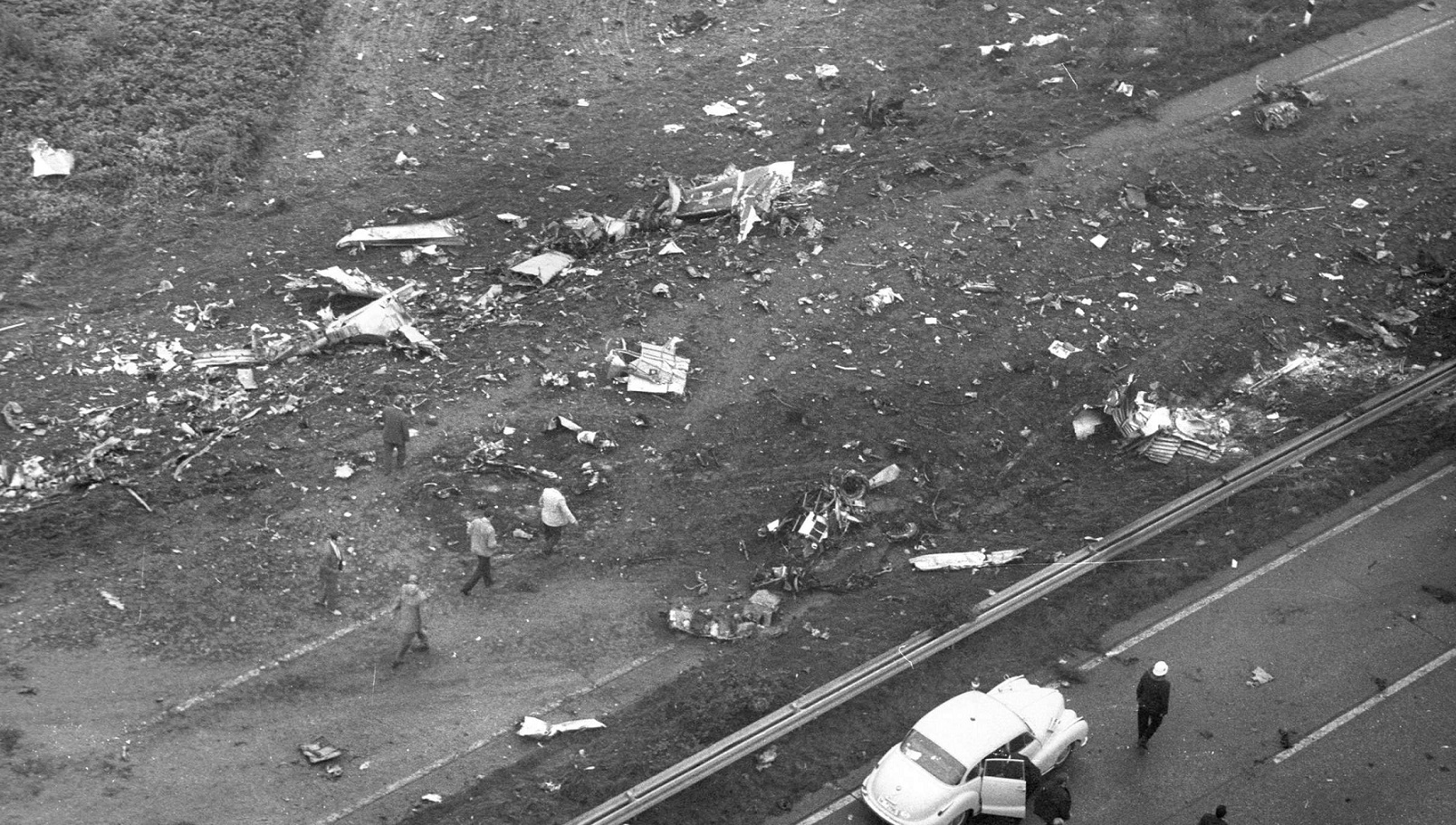
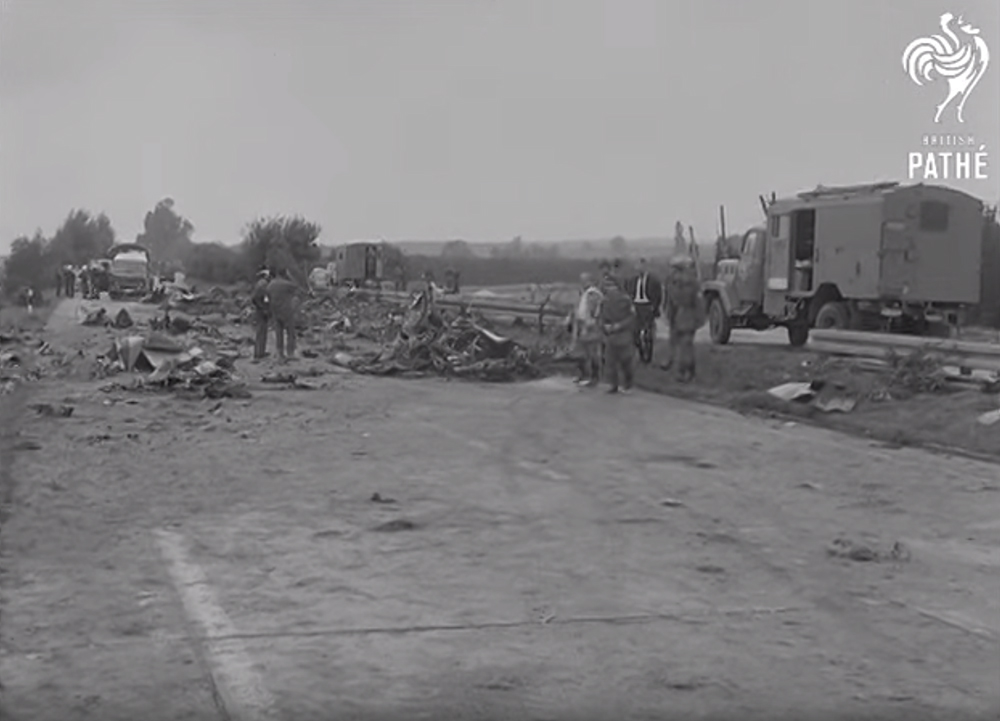
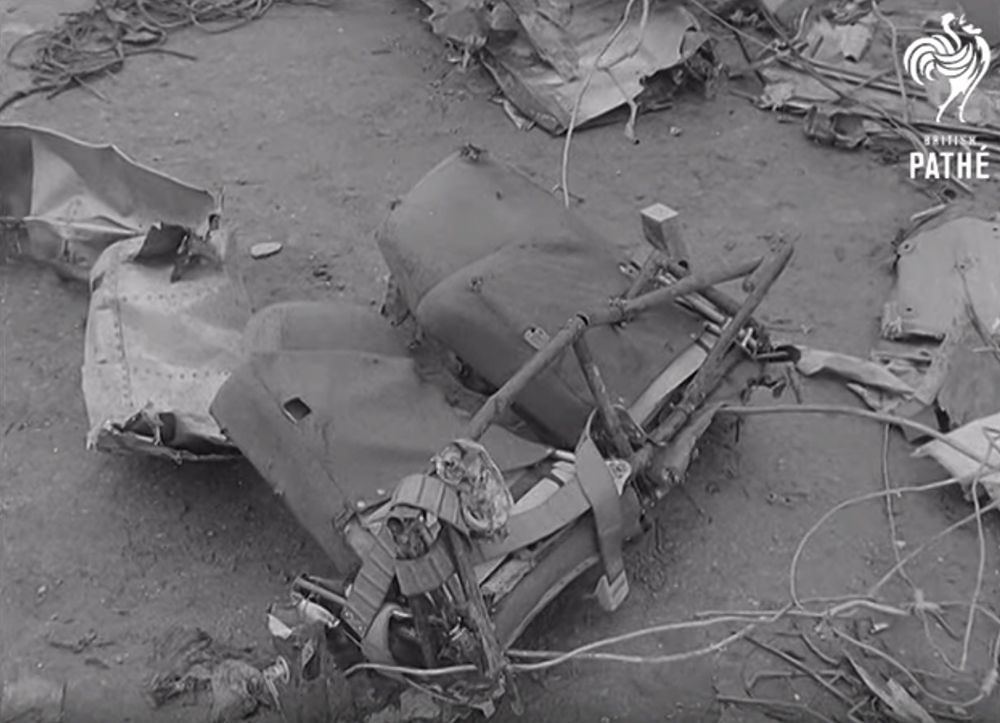
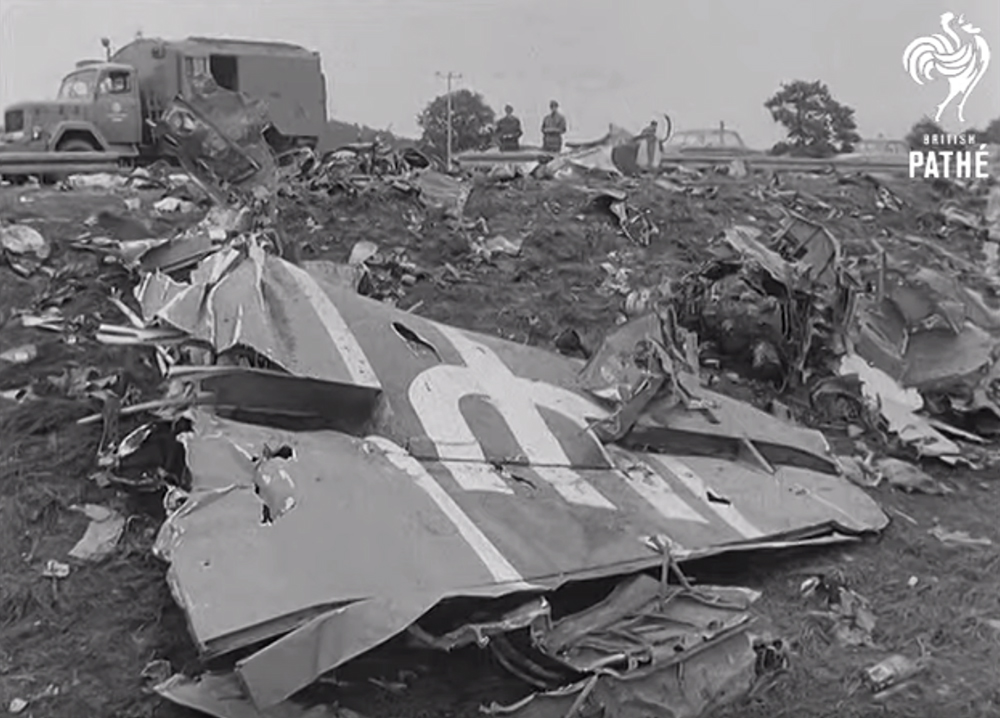
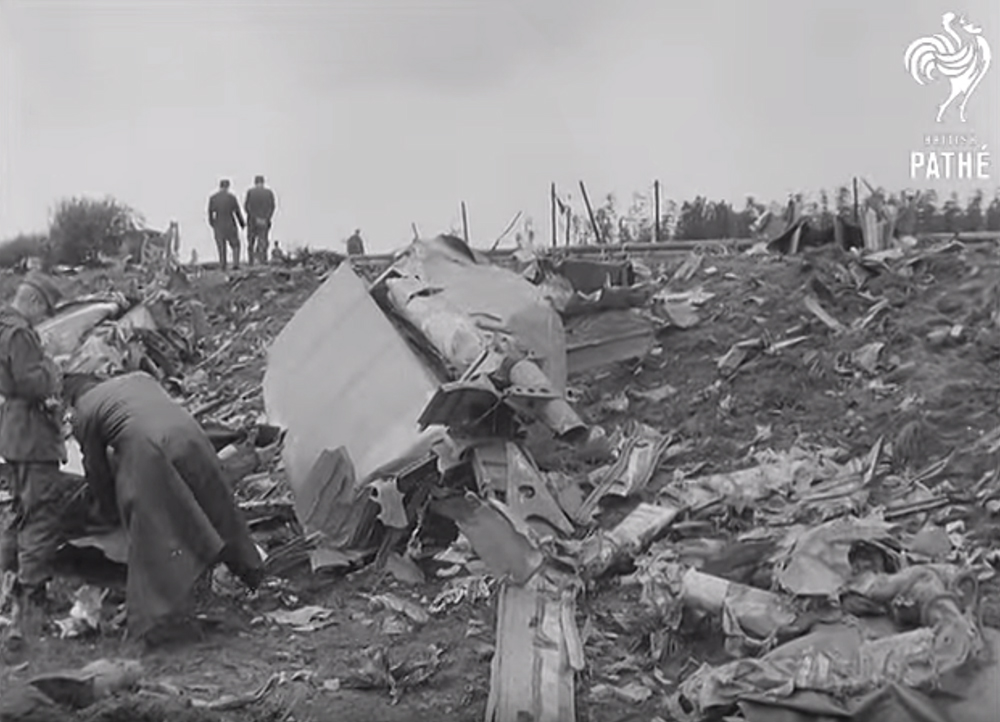
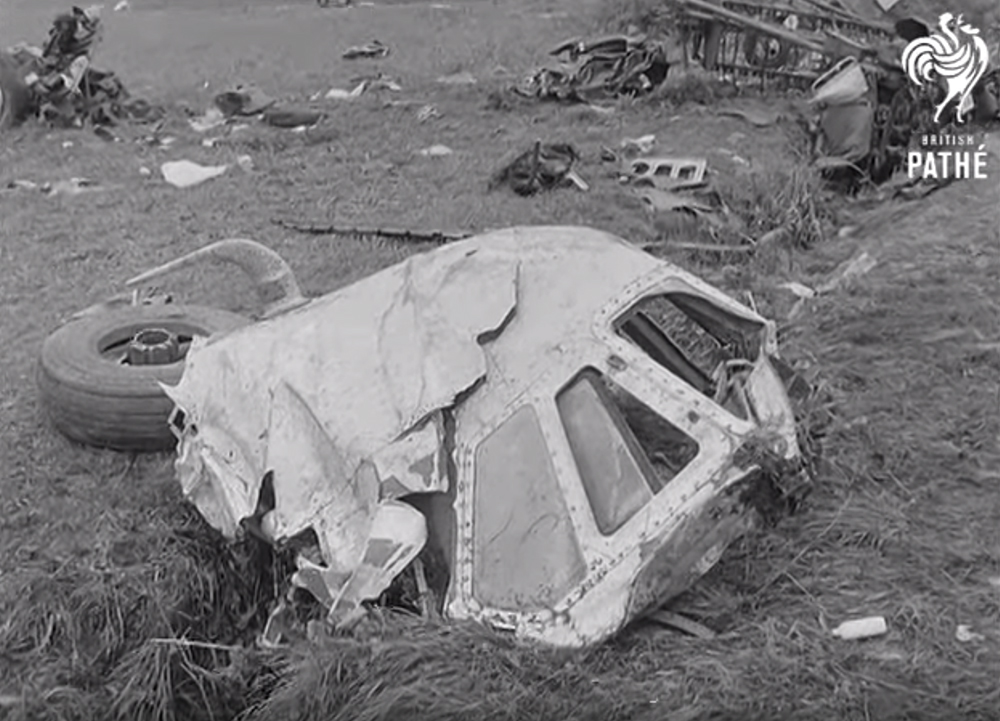
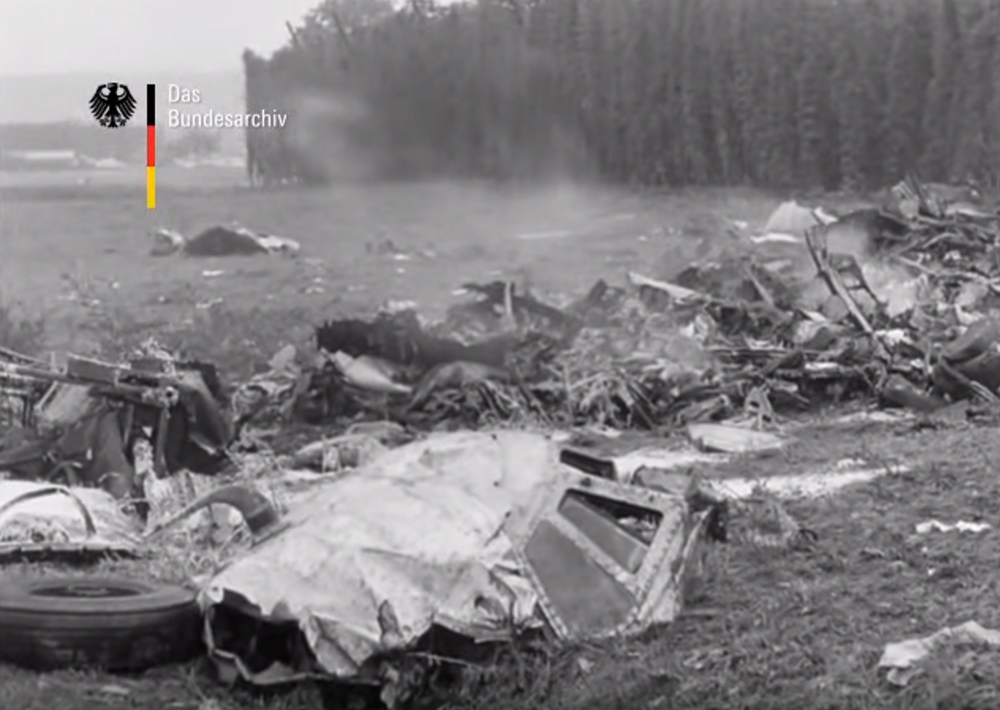
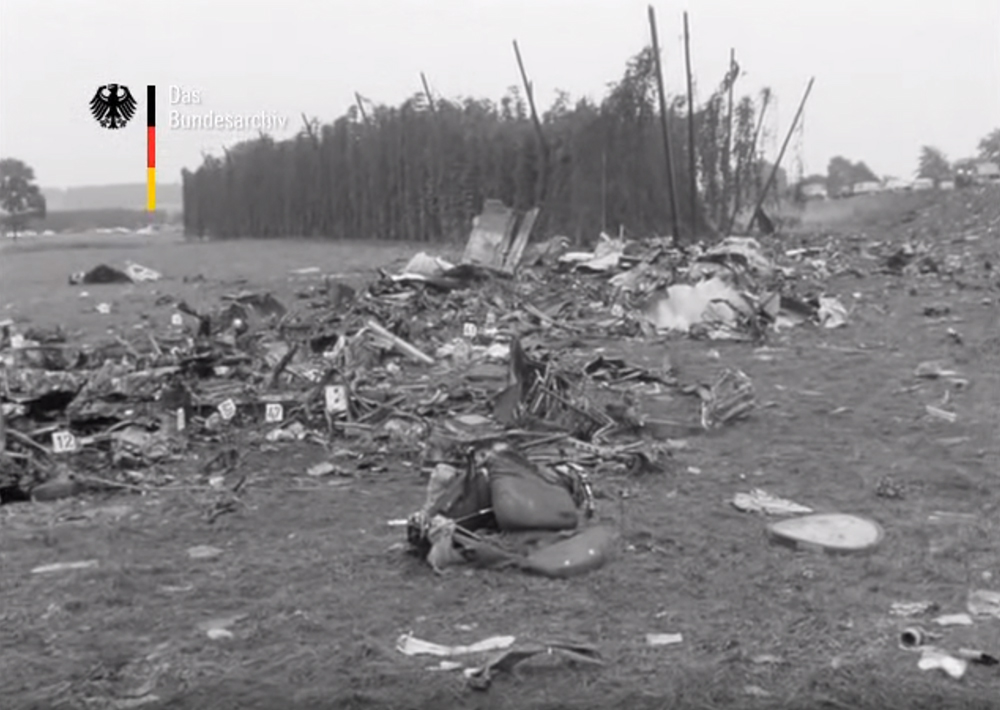
Crash of a Vickers 739A Viscount in Langenbruck: 48 killed

Date & Time: Aug 9, 1968 at 1304 LT
Type of aircraft:
Operator:
Registration:
G-ATFN
Flight Phase:
Survivors:
No
Schedule:
London-Heathrow - Innsbruck
MSN:
394
YOM:
1958
Flight number:
EG802
Country:
Region:
Crew on board:
4
Crew fatalities:
Pax on board:
44
Pax fatalities:
Other fatalities:
Total fatalities:
48
Aircraft flight hours:
18658
Circumstances:
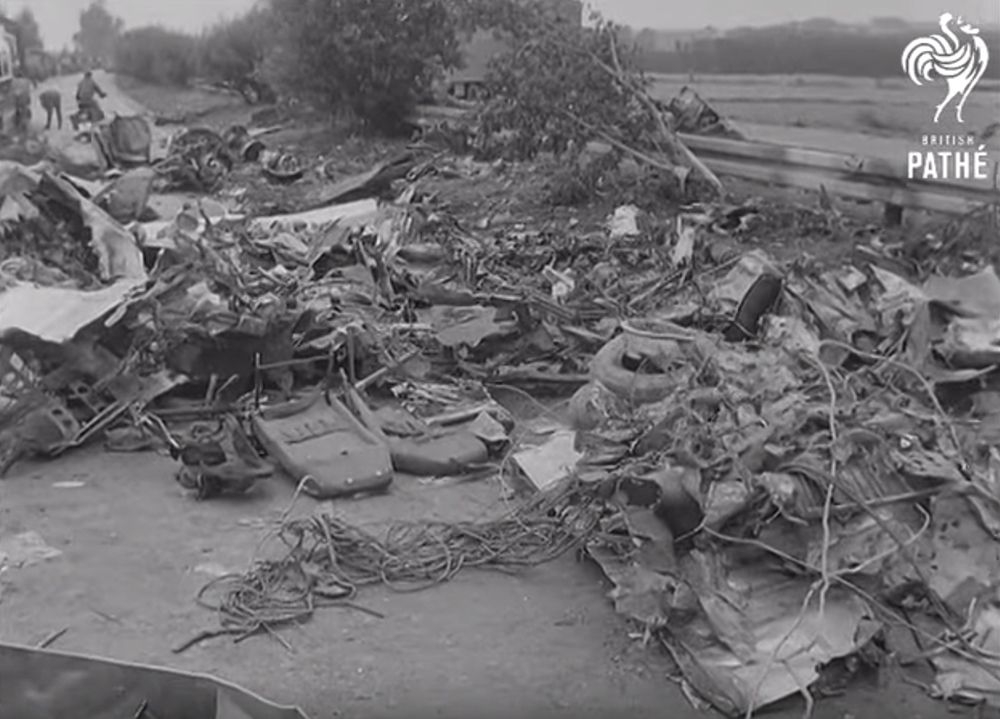
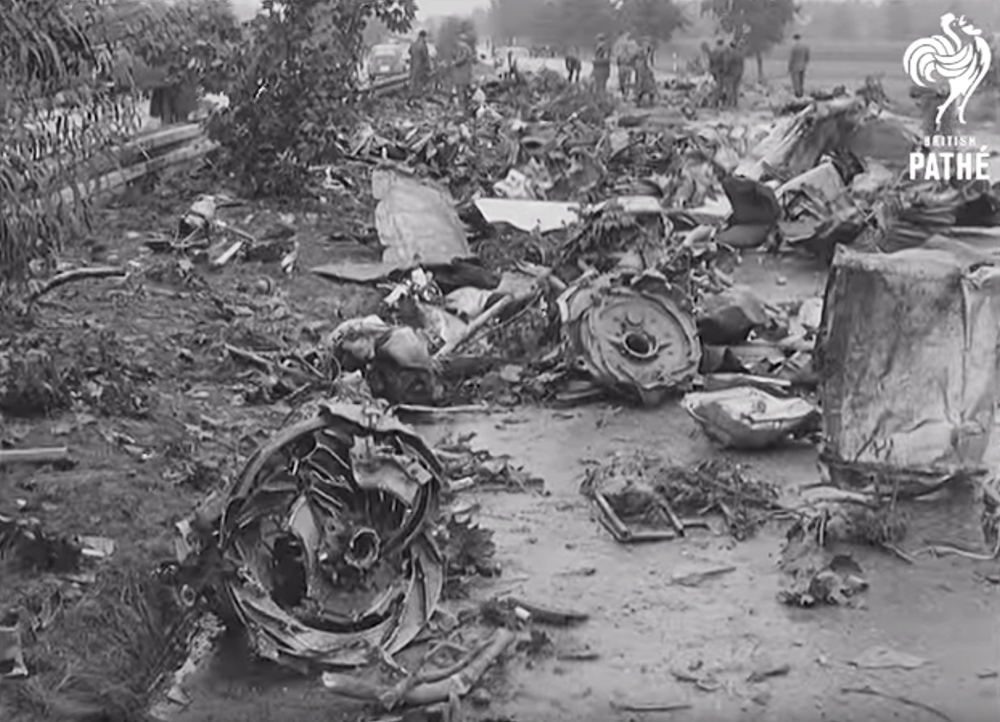
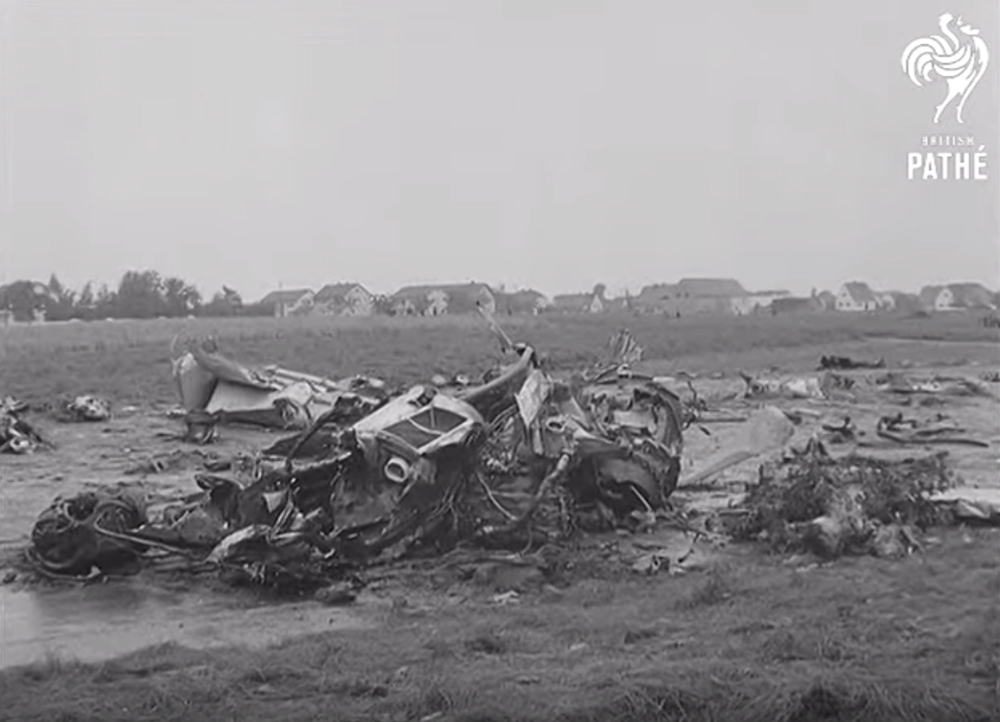
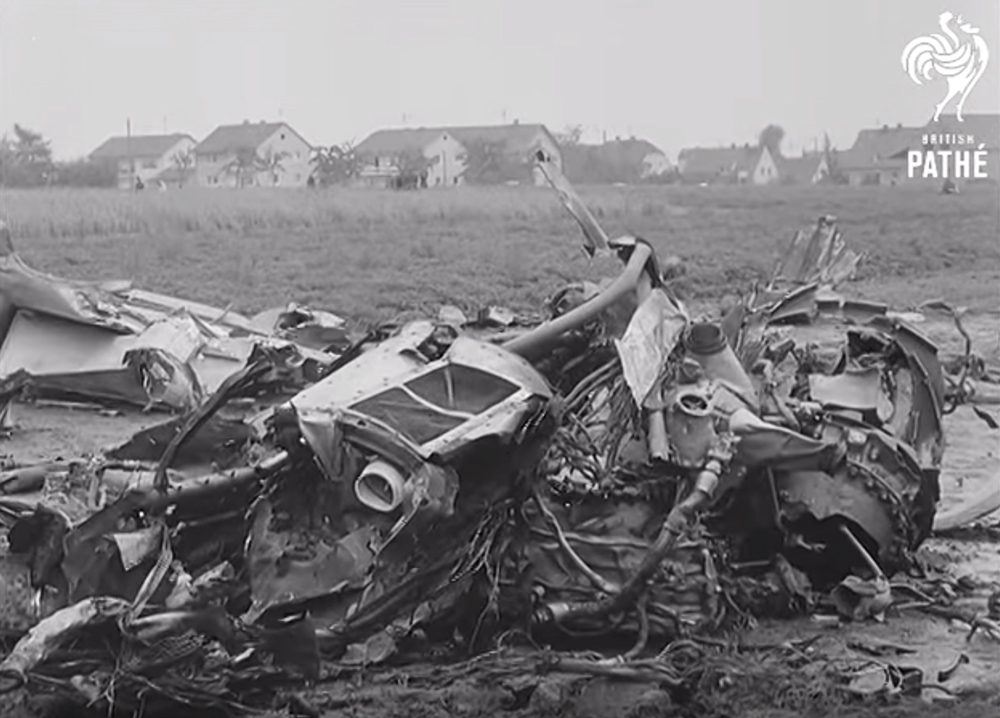
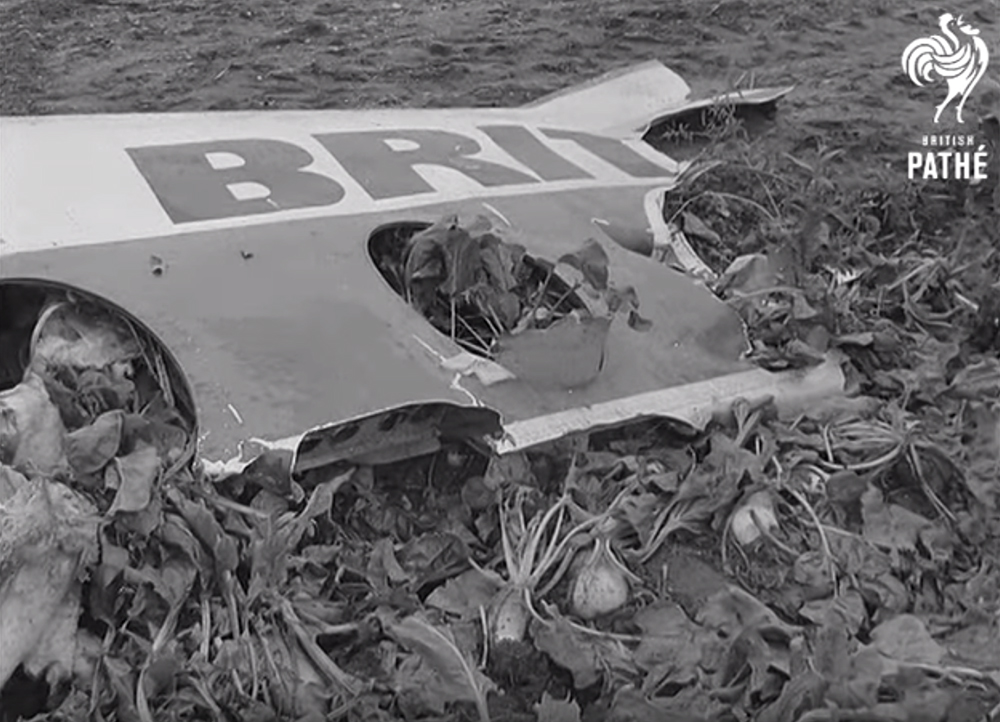
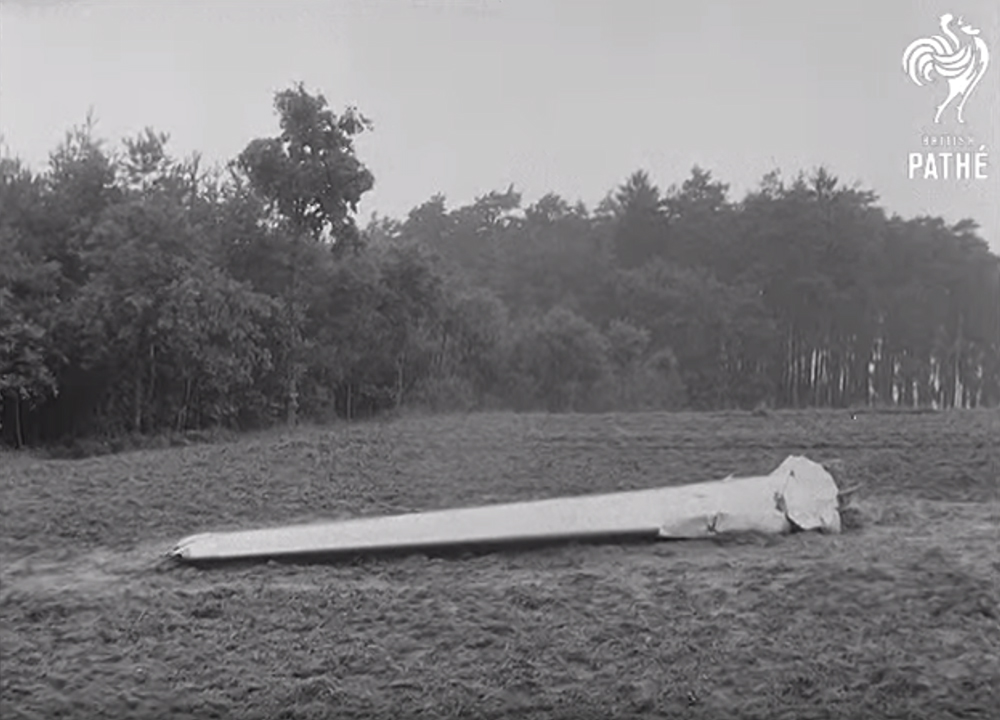
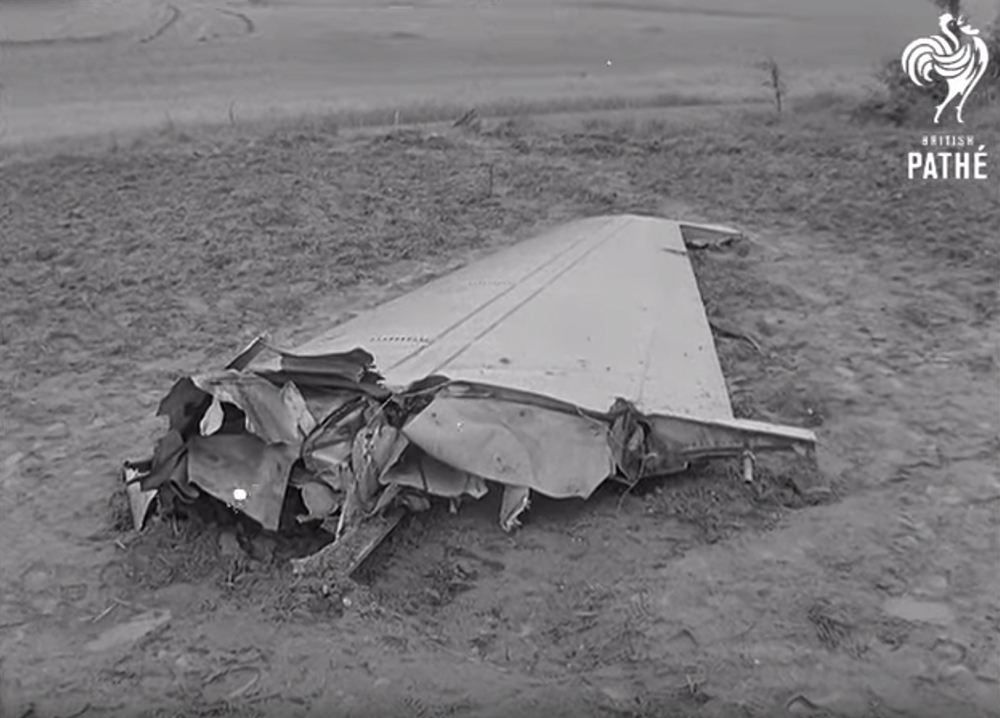
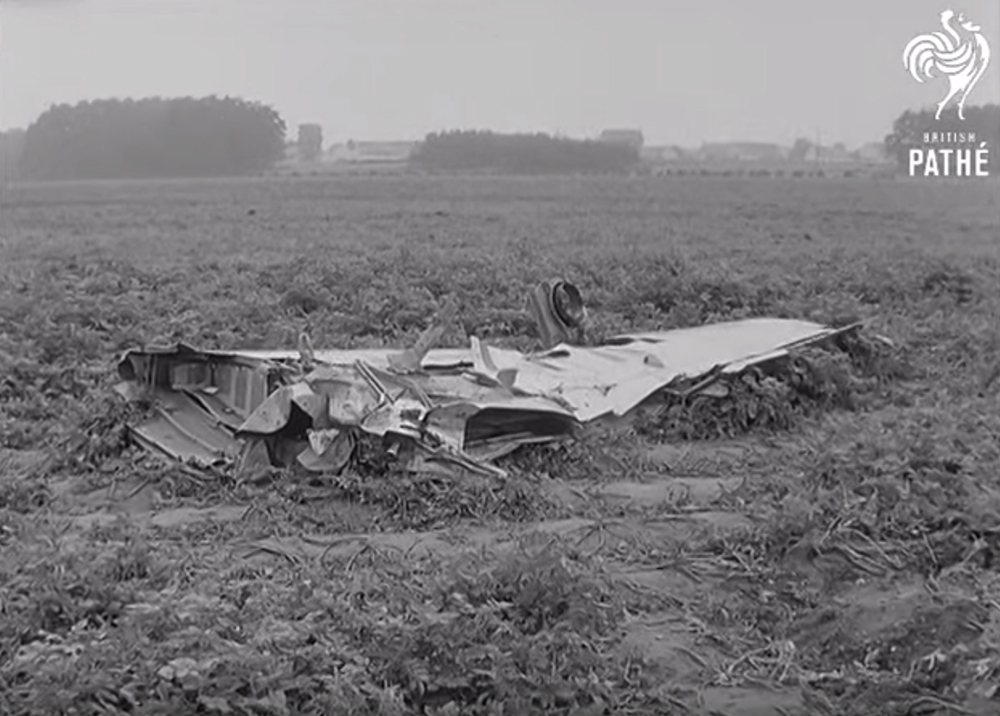
While cruising at an altitude of 21,000 feet south of Ingolstadt, the pilot informed ATC that a fire erupted on board, declared an emergency and requested the permission to divert to Munich Airport. The crew immediately started an emergency descent when control was lost. The airplane entered a dive, partially disintegrated in the air and eventually crashed in flames on a highway. Debris were found in an open field and the main wreckage on the Munich - Nuremberg highway. The tail was found about three km from the main wreckage. Rescue teams were hampered in their mission and it was really difficult to reach the crash site as the highway was totally jammed by cars from people living on holidays. None of the 48 occupants survived the crash. At the time of the accident, weather conditions were considered as good despite broken clouds from 800 feet till 15,000 feet.
Probable cause:
It was determined that the main generator failed in flight, causing a major power failure and probably an electrical short-circuit. This caused several systems and onboard instruments to fail such as the gyrocompas. While cruising in poor visibility due to clouds, the crew was unable to maintain a proper attitude and the aircraft went out of control. During the descent, aerodynamic forces exceeded the certification of the tail and the wings that were torn off. Then, the aircraft impacted ground at a speed of 310 knots. The accident was unsurvivable. The exact cause of the generator failure could not be determined with certainty.

Crash of a Consolidated PBY-5A Catalina in Shawnigan Lake: 2 killed

Date & Time: Aug 8, 1968 at 2045 LT
Type of aircraft:
Registration:
CF-FFY
Flight Phase:
Flight Type:
Survivors:
No
Schedule:
Victoria - Victoria
MSN:
1842
YOM:
1944
Country:
Crew on board:
2
Crew fatalities:
Pax on board:
0
Pax fatalities:
Other fatalities:
Total fatalities:
2
Circumstances:
The crew was engaged in a fire fighting mission in Jarvis Lake on behalf of the BC Forest Service. While flying at low height, the airplane struck trees and crashed. Both pilots Thomas Swanson and Tom Worley were killed.
Probable cause:
Misjudgement of altitude on part of the crew.

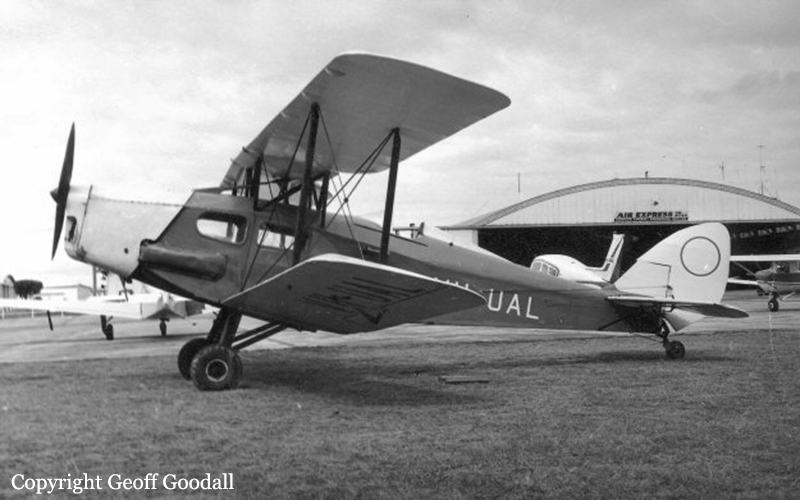
Crash of a De Havilland DH.83 Fox Moth off Carlisle Island

Date & Time: Aug 1, 1968
Registration:
VH-UAL
Flight Phase:
Flight Type:
Survivors:
Yes
MSN:
4039
YOM:
1933
Country:
Region:
Crew on board:
1
Crew fatalities:
Pax on board:
0
Pax fatalities:
Other fatalities:
Total fatalities:
0
Circumstances:
While flying at an altitude of 1,300 feet, the pilot encountered atmospheric turbulences. The airplane initiated an uncontrolled descent until it struck the water surface off Carlisle Island. The pilot was rescued while the airplane sank and was lost.
Probable cause:
Loss of control caused by downdrafts and turbulences.

Crash of a Boeing KC-135A-BN Stratotanker on Mt Lassen: 9 killed

Date & Time: Jul 30, 1968
Type of aircraft:
Operator:
Registration:
56-3655
Flight Phase:
Flight Type:
Survivors:
No
Site:
Schedule:
Castle - Castle
MSN:
17404
YOM:
1958
Crew on board:
9
Crew fatalities:
Pax on board:
0
Pax fatalities:
Other fatalities:
Total fatalities:
9
Aircraft flight hours:
6089
Circumstances:
The crew departed Castle AFB on a training mission. After completing a simulated emergency descent from FL390 to FL230, the pilot-in-command initiated a sharp turn when control was lost. The airplane crashed on Mt Lassen and was totally destroyed. All nine crew members were killed.
Probable cause:
It was determined that the loss of control was the consequence of the physical loss of the stabilizer which detached during the sharp turn, maybe due to overload.

Crash of a Douglas C-124C Globemaster II near Recife: 10 killed

Date & Time: Jul 28, 1968 at 2000 LT
Operator:
Registration:
51-5178
Flight Phase:
Flight Type:
Survivors:
No
Site:
Schedule:
Paramaribo - Recife
MSN:
43588
YOM:
1951
Country:
Crew on board:
10
Crew fatalities:
Pax on board:
0
Pax fatalities:
Other fatalities:
Total fatalities:
10
Circumstances:
The crew started the descent to Recife-Guararapes Airport by night when at an altitude of 1,890 feet, the four engine aircraft struck the slope of a mountain located some 80 km northwest of Recife. The wreckage was found few hours later and all 10 crew members were killed.
Probable cause:
The crew apparently started the descent prematurely.

Crash of a De Havilland C-7B Caribou in Pleiku: 2 killed

Date & Time: Jul 25, 1968
Type of aircraft:
Operator:
Registration:
63-9761
Flight Phase:
Flight Type:
Survivors:
Yes
MSN:
226
YOM:
1965
Country:
Region:
Crew on board:
4
Crew fatalities:
Pax on board:
0
Pax fatalities:
Other fatalities:
Total fatalities:
2
Circumstances:
While engaged in a dropping mission, the airplane was flying at low height and reduced speed when it stalled, struck trees and crashed in a wooded area. Two crew members were killed while two others were injured.
Those killed were:
Cpt Kenneth James Hoffman,
A1C Gary Raymond McKendrick.
Probable cause:
Stall caused by too low speed at too low altitude during a dropping mission.

Crash of a Consolidated P4Y-2G Privateer in McGrath: 4 killed

Date & Time: Jul 22, 1968 at 1757 LT
Operator:
Registration:
N7974A
Flight Phase:
Flight Type:
Survivors:
No
Site:
Schedule:
McGrath - McGrath
MSN:
66306
YOM:
1944
Location:
Crew on board:
2
Crew fatalities:
Pax on board:
2
Pax fatalities:
Other fatalities:
Total fatalities:
4
Captain / Total flying hours:
1334
Captain / Total hours on type:
245.00
Circumstances:
The crew was engaged in a fire fighting mission near McGrath. While flying at low height, the airplane stuck the slope of a mountain and crashed, killing all four occupants.
Probable cause:
The pilot-in-command misjudged altitude and clearance, causing the aircraft to struck the slope of a mountain.
Final Report: