Date & Time:
Jul 29, 2018 at 1815 LT
Type of aircraft:
Beechcraft 90 King Air
Operator:

Registration:
PP-SZN
Flight Phase:
Landing (descent or approach)
Flight Type:
Executive/Corporate/Business
Survivors:
Yes
Schedule:
Videira – Campo de Marte
MSN:
LJ-1910
YOM:
2008
Country:
Brazil
Region:
South America
Crew on board:
1
Crew fatalities:
1
Pax on board:
6
Pax fatalities:
0
Other fatalities:
0
Total fatalities:
1
Captain / Total hours on type:
93
Aircraft flight hours:
1342
Circumstances:
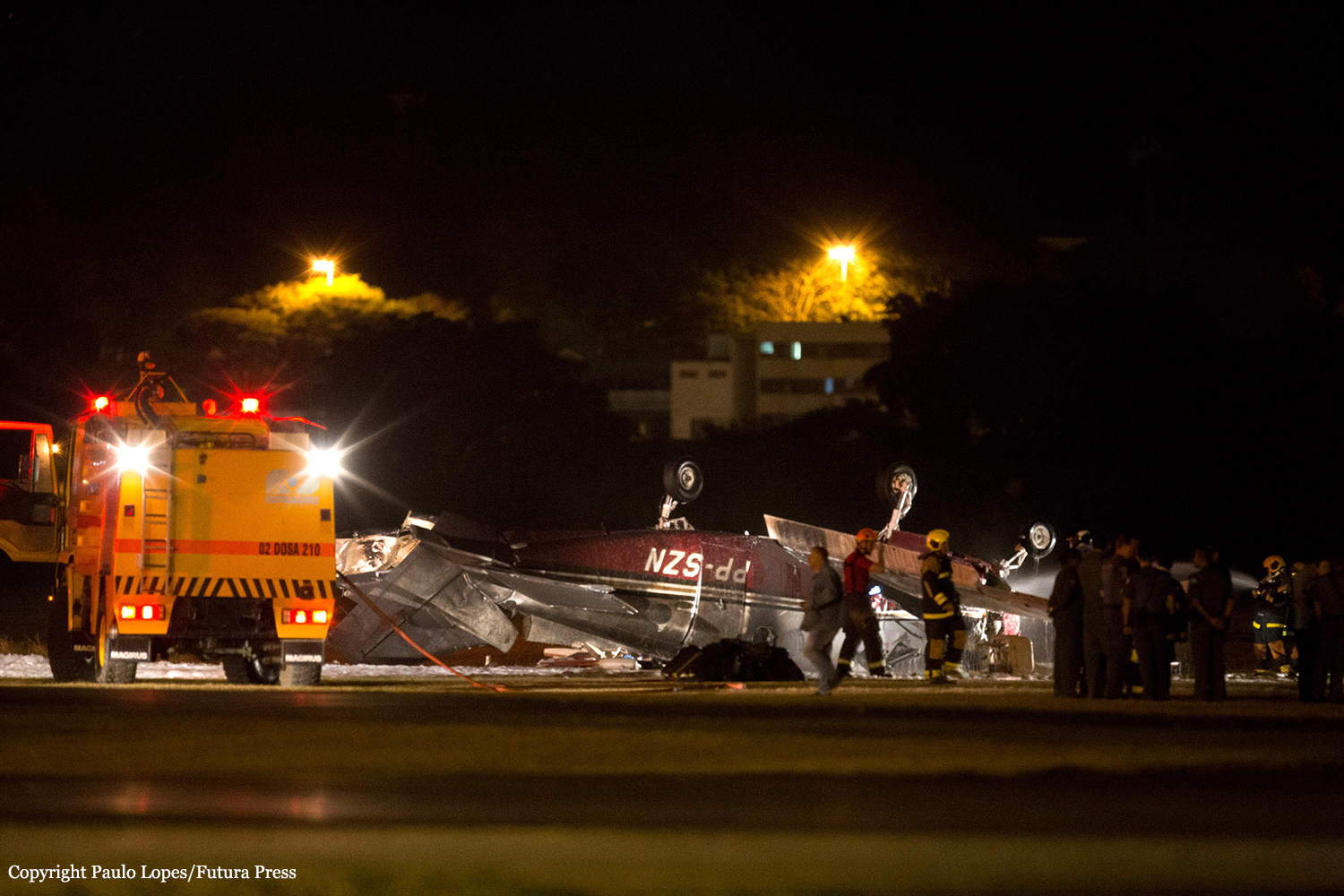
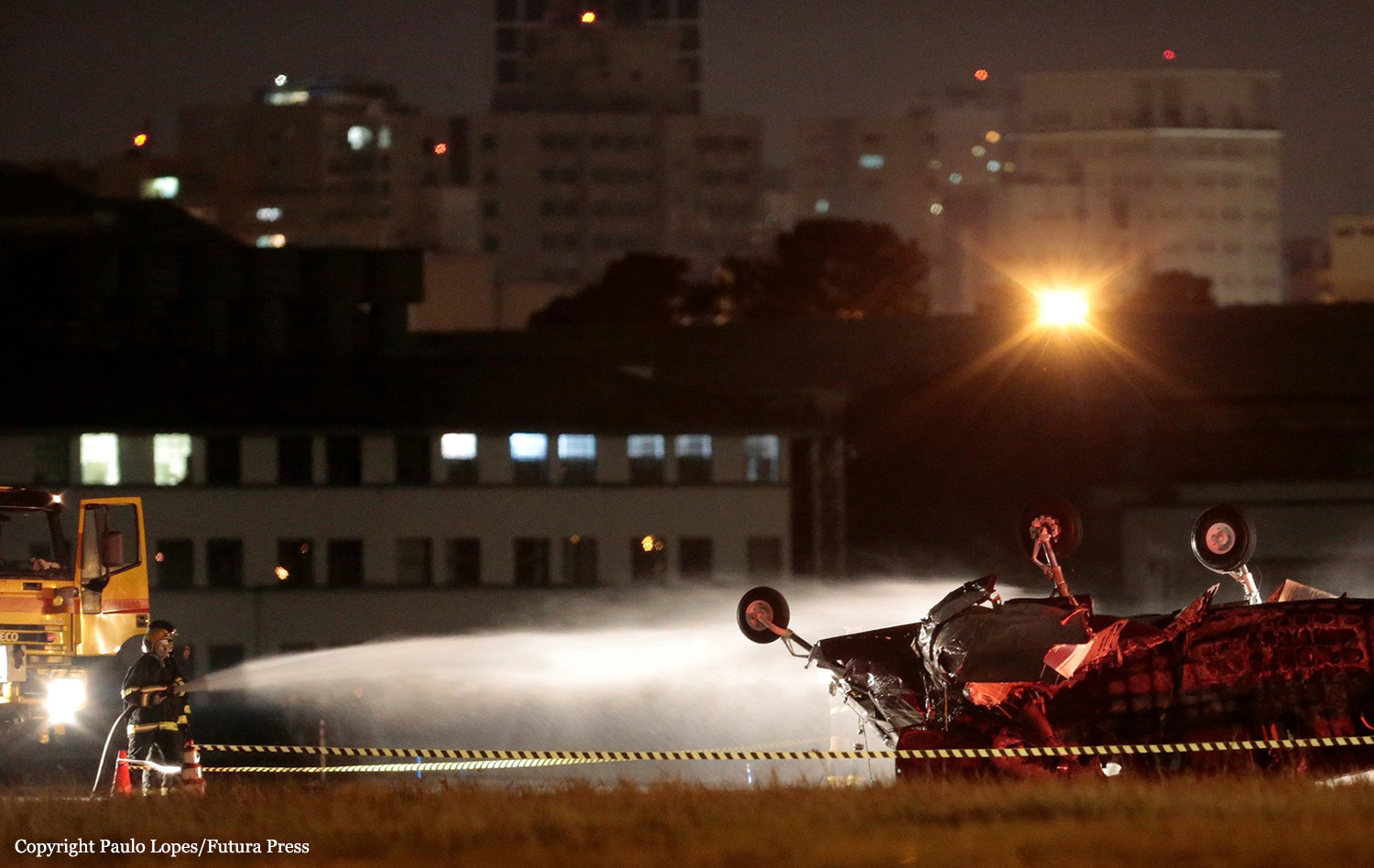
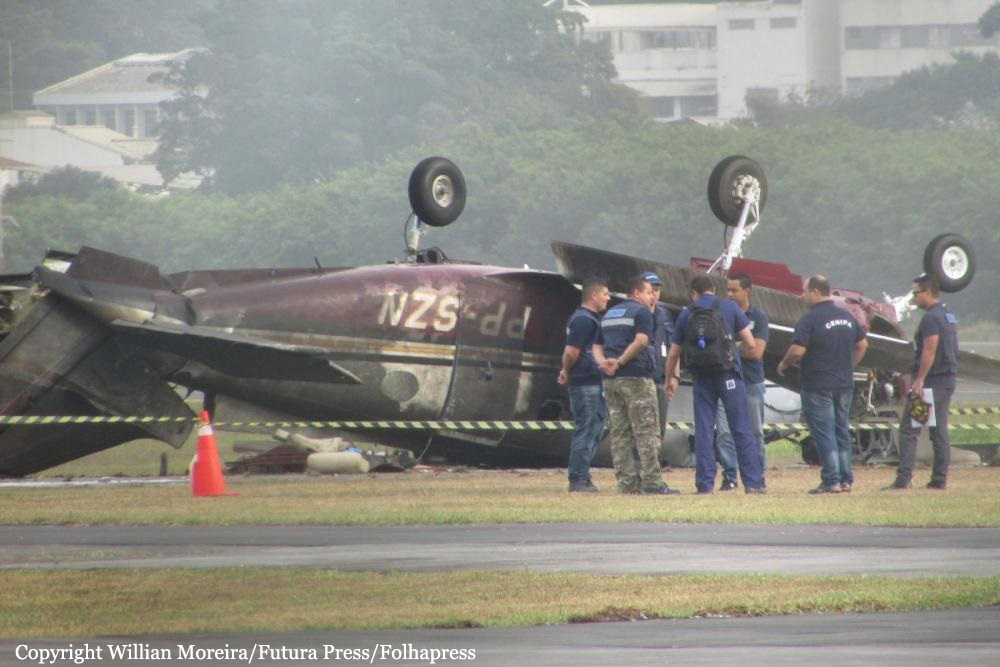
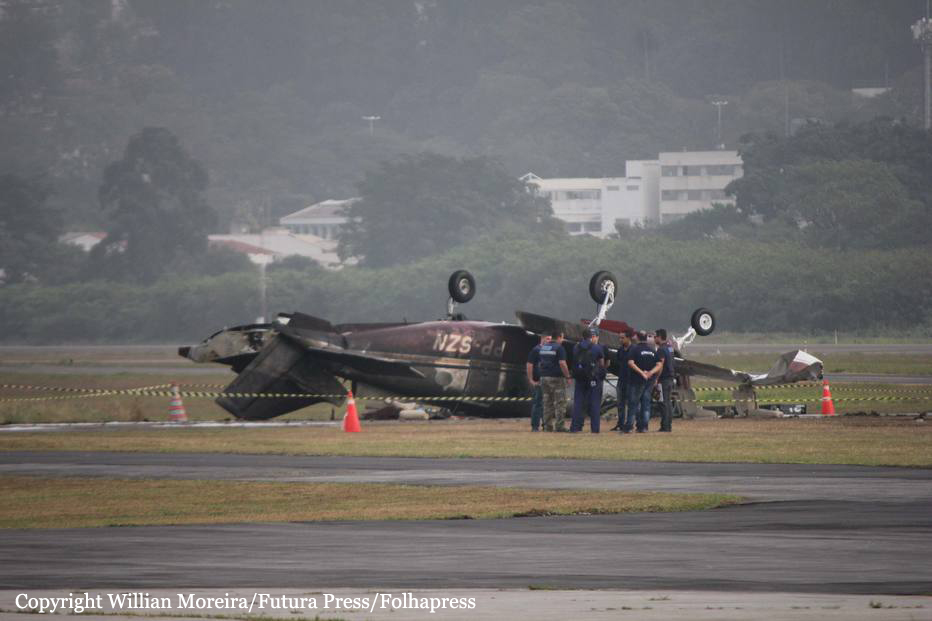
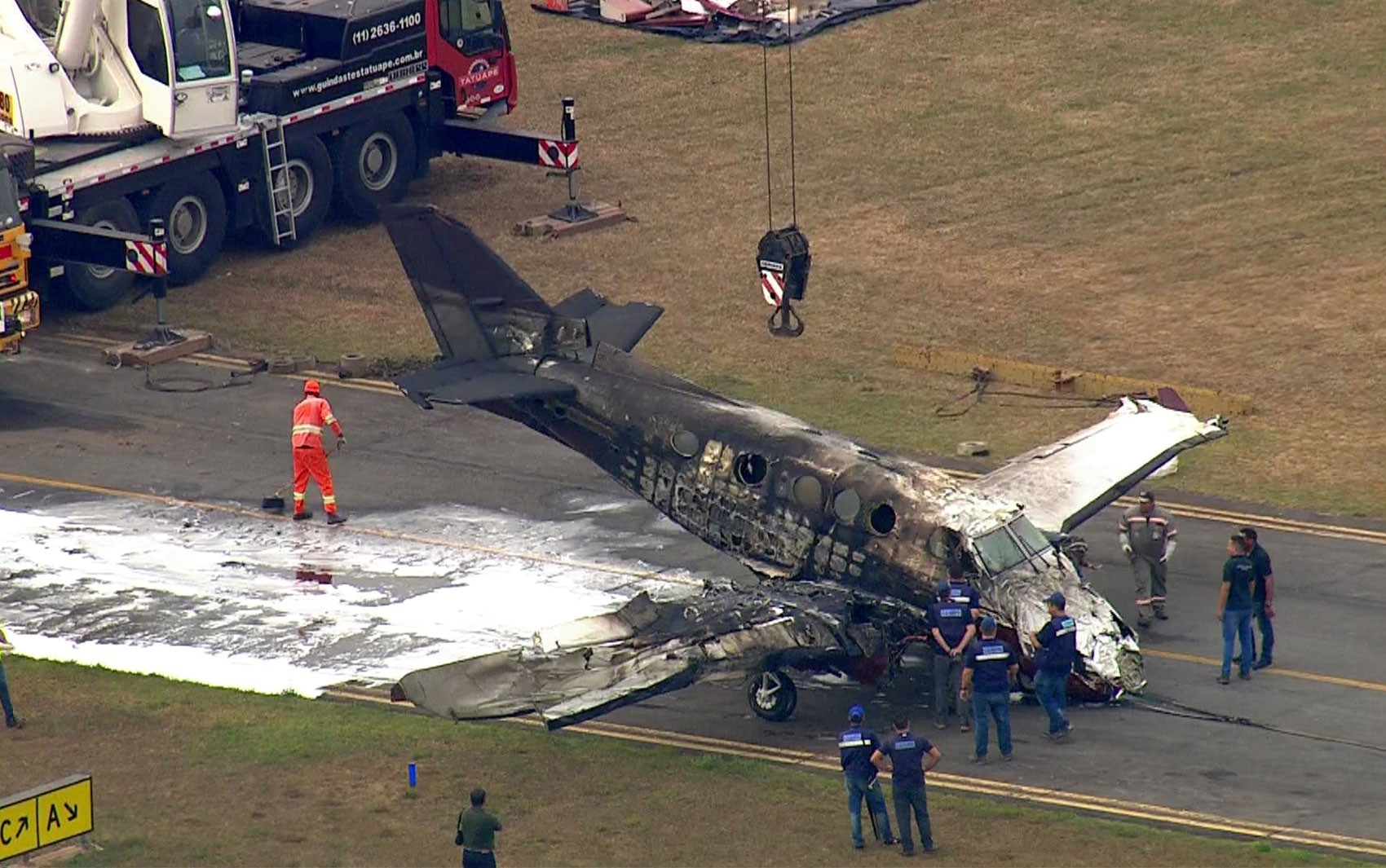
At approximately 1600LT, the twin engine airplane departed Videira-Ângelo Ponzoni Airport on a flight to Campo de Marte, carrying six passengers (the aircraft's owner) and one pilot. While approaching Campo de Marte Airport at night following an uneventful flight, the pilot encountered technical problems with the landing gear indicator system. He was cleared by ATC to perform two low passes over the airport to confirm visually the problem. After passing the runway 30 threshold to land, the airplane rolled to the left and crashed inverted about 100 metres to the left of runway 30, bursting into flames. All six passengers were injured, two seriously. The pilot was killed.
Probable cause:
Contributing factors:
- Attitude – undetermined.
The pilot's described profile indicated a characteristic of not admitting personal mistakes and being meticulous in his actions. He likely performed multiple traffic circuits as a way to ensure that the landing gear had locked down, aiming to avoid the consequences of landing with a faulty landing gear, which reflected challenges in his way of thinking, leading to the improvisation of procedures.
- Training – undetermined.
Since the PIC had no simulator training, he may not have acquired the necessary skills for performing the procedures related to the management of the emergency.
- Emotional state – undetermined.
The contribution of a state of tension and stress, due to overload, cannot be disregarded, considering that the PIC faced the need to perform a landing with the possibility of the main landing gear retracting, with his superiors on board, as well as the potential
damage to the aircraft as a consequence.
- Handling of aircraft flight controls – undetermined.
It is likely that improper use of the flight controls during the final approach allowed flight at speeds close to stall speed. Furthermore, it is possible that the controls were not adequately applied to counteract the effects and maintain controlled flight, leading to a sudden left roll of the aircraft and entry into a spin condition resulting from the stall.
- Piloting judgment – a contributor.
Despite being qualified and certified to operate the airplane, there was no adequate assessment of the malfunction and procedures to be adopted during the situation encountered.
- Perception – undetermined.
By focusing all his attention on the landing gear indicator light issue, the PIC may have neglected other procedures due to selective perception or "tunnel vision".
- Decision-making process – a contributor.
There was an inadequate judgment caused by fixation on solving the landing gear indication failure, which affected the analysis and choice of better alternatives for the conditions presented.
- Attitude – undetermined.
The pilot's described profile indicated a characteristic of not admitting personal mistakes and being meticulous in his actions. He likely performed multiple traffic circuits as a way to ensure that the landing gear had locked down, aiming to avoid the consequences of landing with a faulty landing gear, which reflected challenges in his way of thinking, leading to the improvisation of procedures.
- Training – undetermined.
Since the PIC had no simulator training, he may not have acquired the necessary skills for performing the procedures related to the management of the emergency.
- Emotional state – undetermined.
The contribution of a state of tension and stress, due to overload, cannot be disregarded, considering that the PIC faced the need to perform a landing with the possibility of the main landing gear retracting, with his superiors on board, as well as the potential
damage to the aircraft as a consequence.
- Handling of aircraft flight controls – undetermined.
It is likely that improper use of the flight controls during the final approach allowed flight at speeds close to stall speed. Furthermore, it is possible that the controls were not adequately applied to counteract the effects and maintain controlled flight, leading to a sudden left roll of the aircraft and entry into a spin condition resulting from the stall.
- Piloting judgment – a contributor.
Despite being qualified and certified to operate the airplane, there was no adequate assessment of the malfunction and procedures to be adopted during the situation encountered.
- Perception – undetermined.
By focusing all his attention on the landing gear indicator light issue, the PIC may have neglected other procedures due to selective perception or "tunnel vision".
- Decision-making process – a contributor.
There was an inadequate judgment caused by fixation on solving the landing gear indication failure, which affected the analysis and choice of better alternatives for the conditions presented.
Final Report:
PP-SZN.pdf4.03 MB