Date & Time:
Sep 6, 1971 at 1821 LT
Type of aircraft:
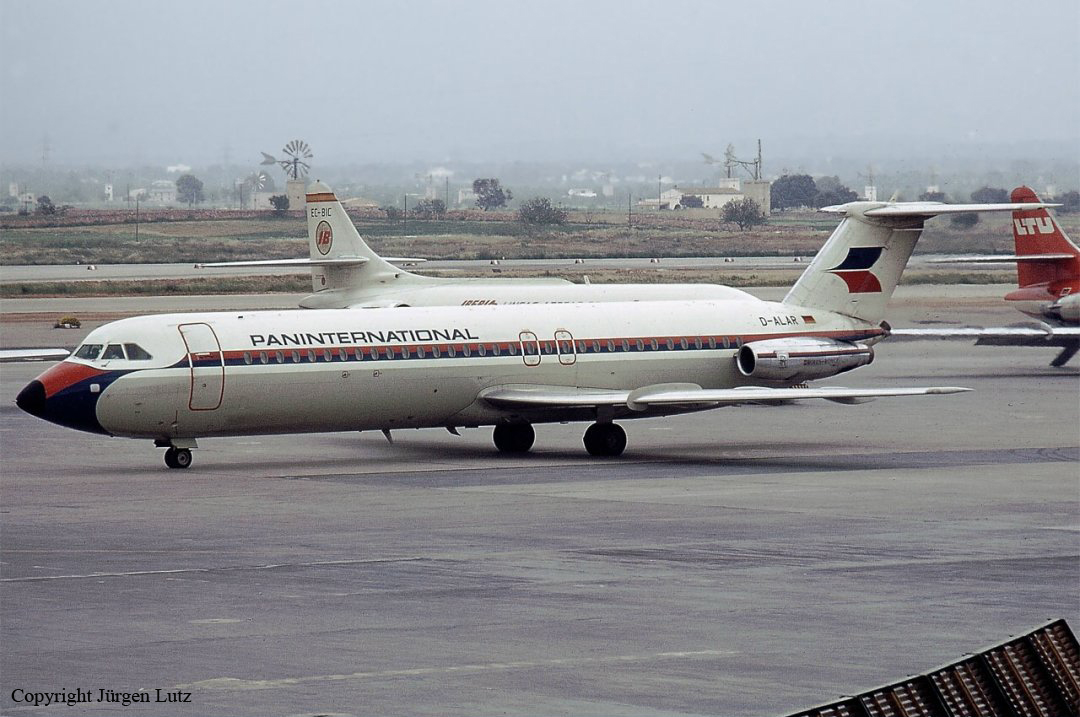
BAc 111
Operator:

Registration:
D-ALAR
Flight Phase:
Takeoff (climb)
Flight Type:
Charter/Taxi (Non Scheduled Revenue Flight)
Survivors:
Yes
Schedule:
Hanover – Hamburg – Málaga
MSN:
207
YOM:
1970
Flight number:
DR112
Country:
Germany
Region:
Europe
Crew on board:
6
Crew fatalities:
1
Pax on board:
115
Pax fatalities:
21
Other fatalities:
0
Total fatalities:
22
Captain / Total hours on type:
1155
Copilot / Total hours on type:
85
Aircraft flight hours:
4324
Aircraft flight cycles:
2920
Circumstances:
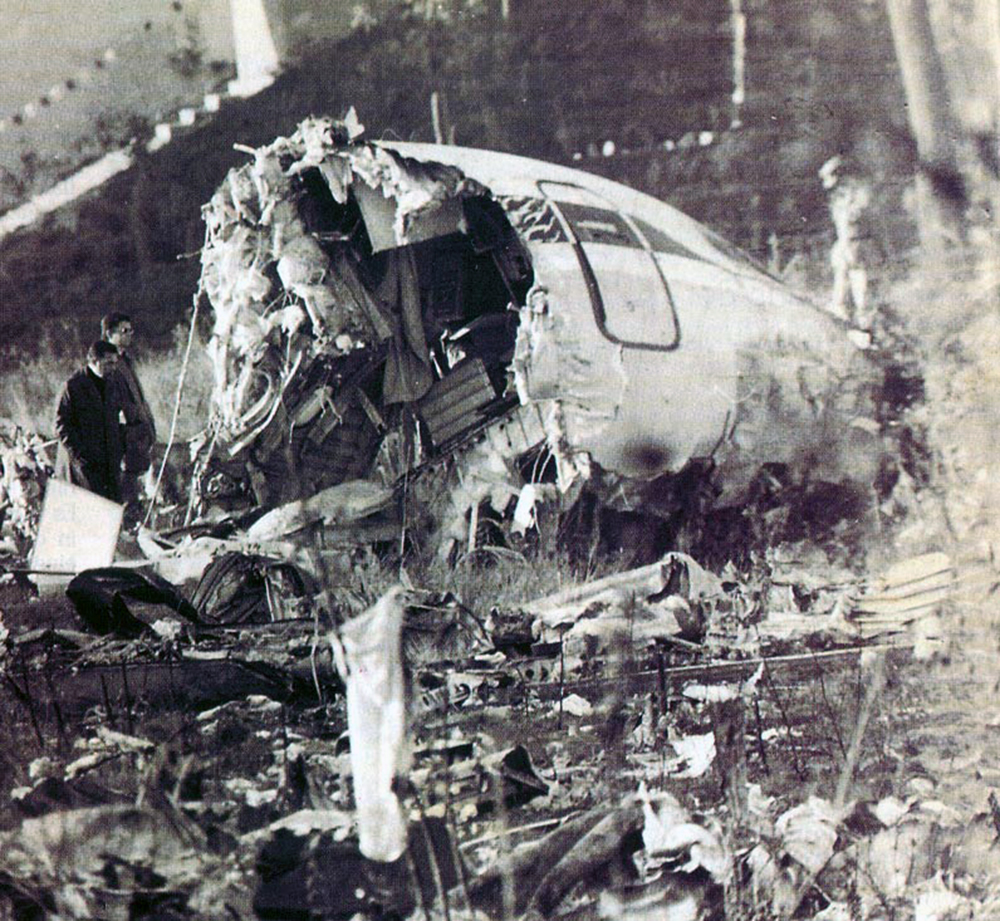
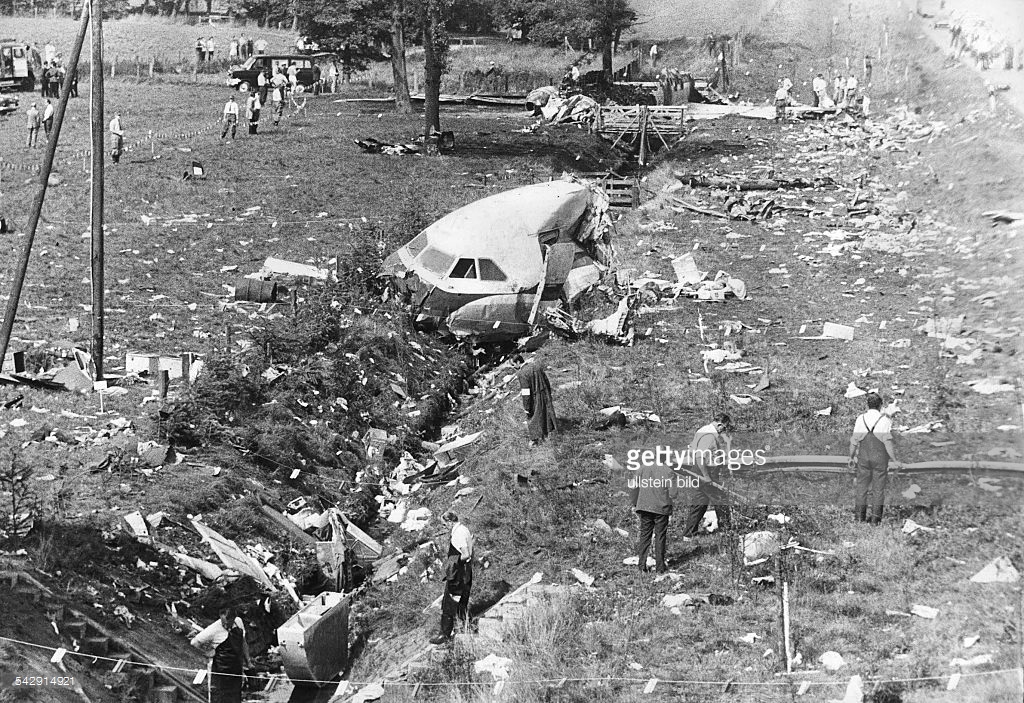
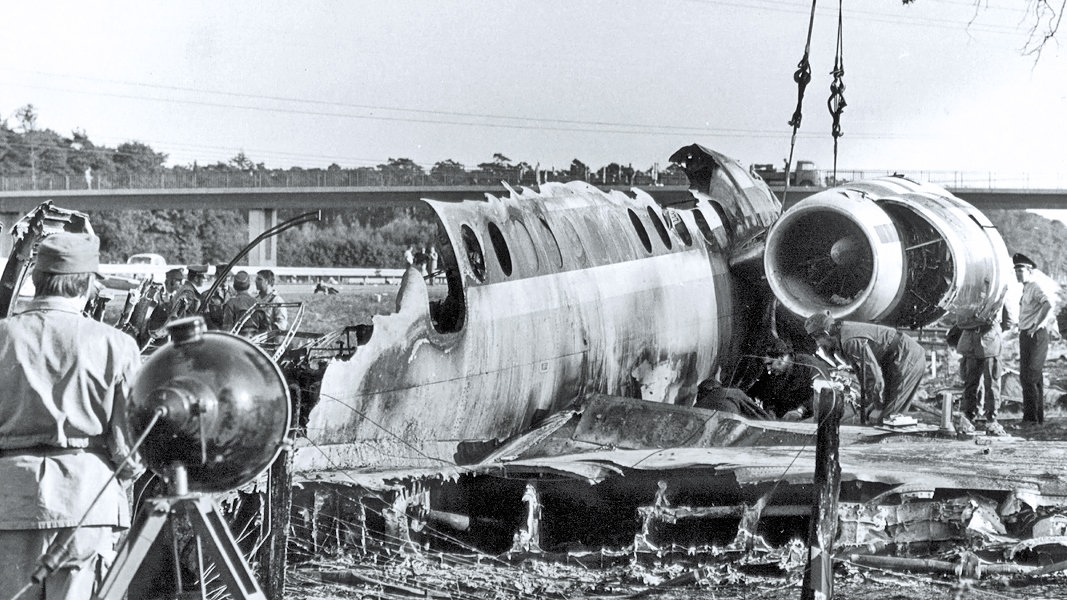
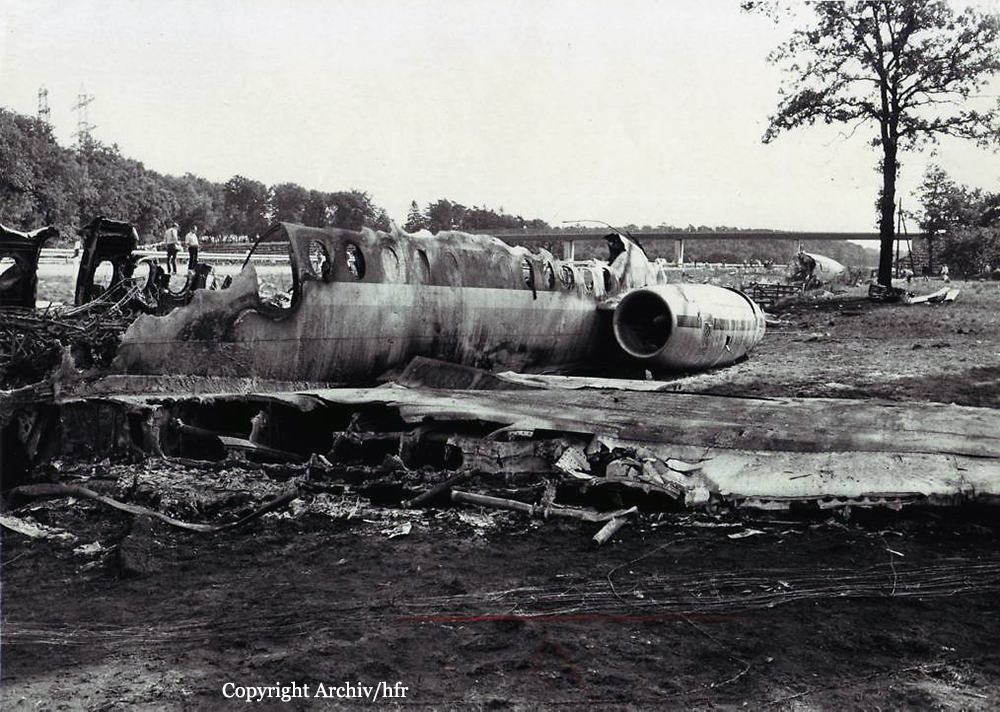
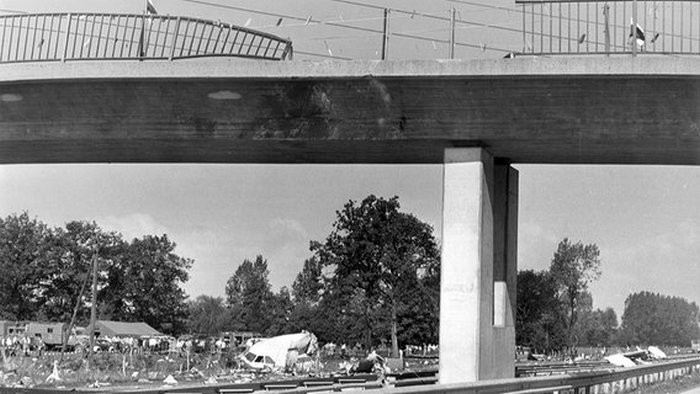
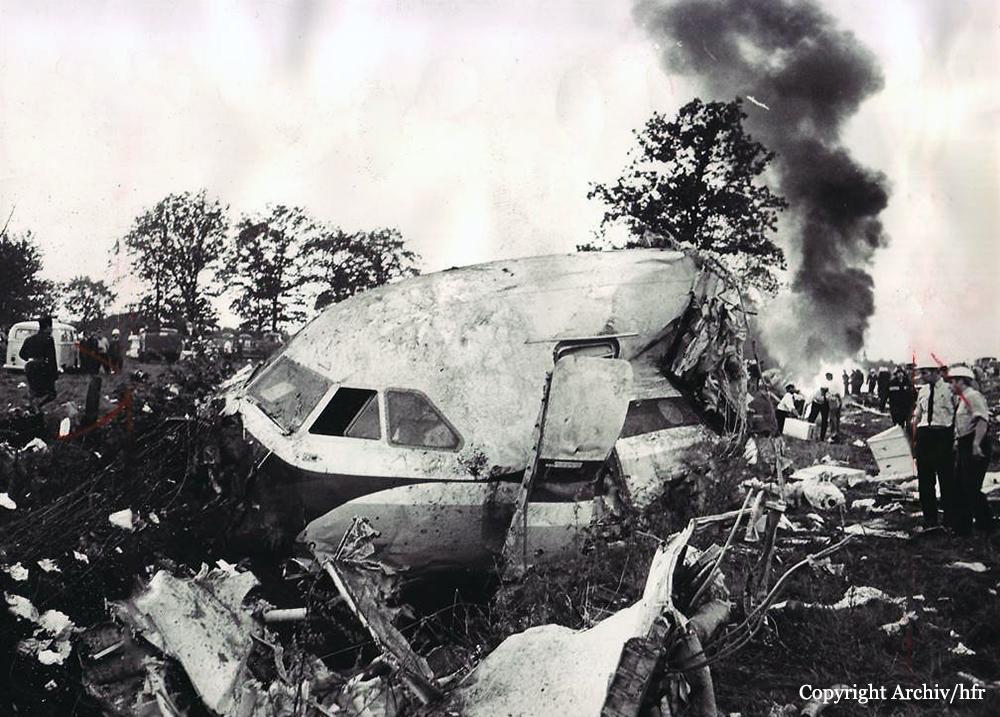
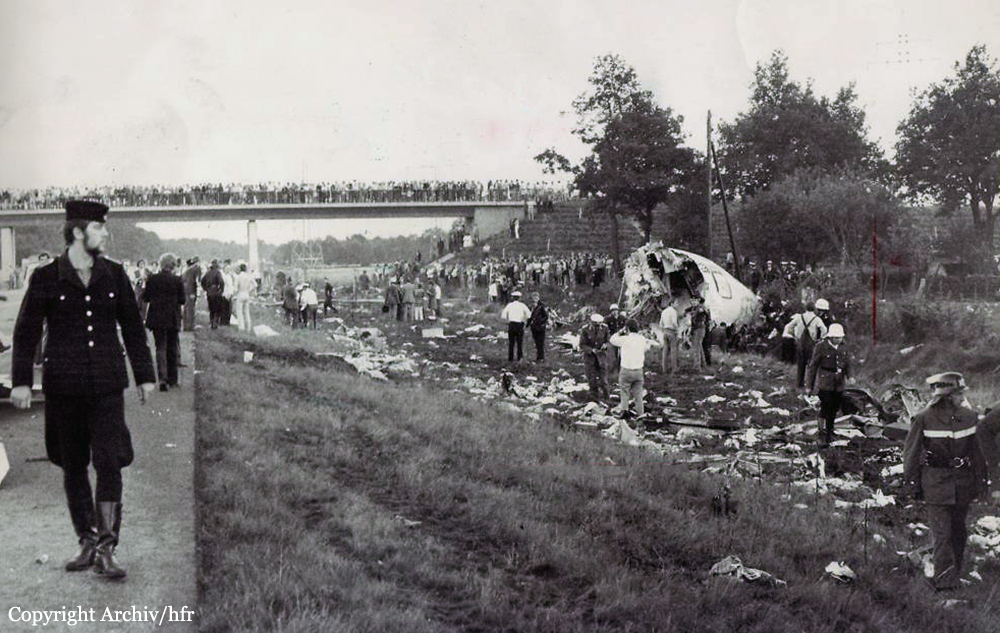
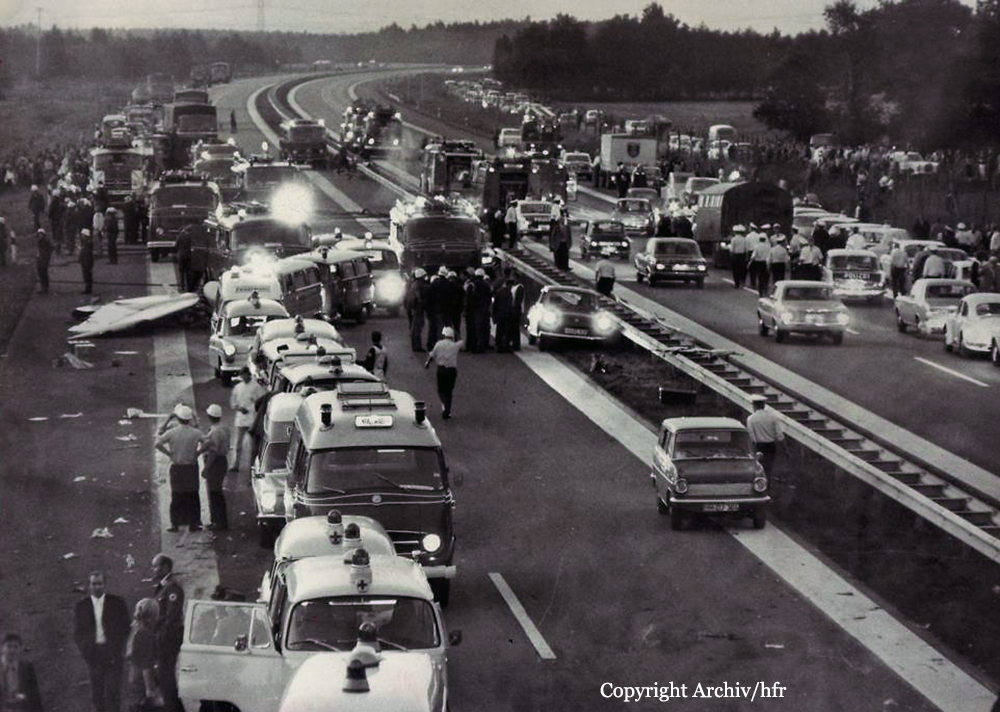
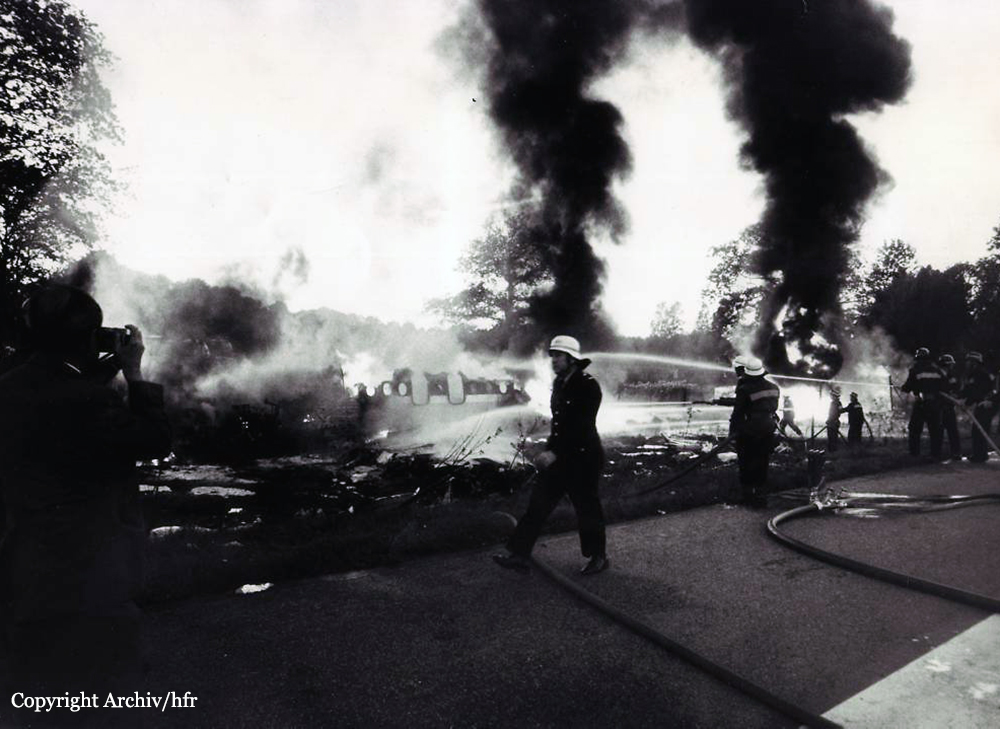
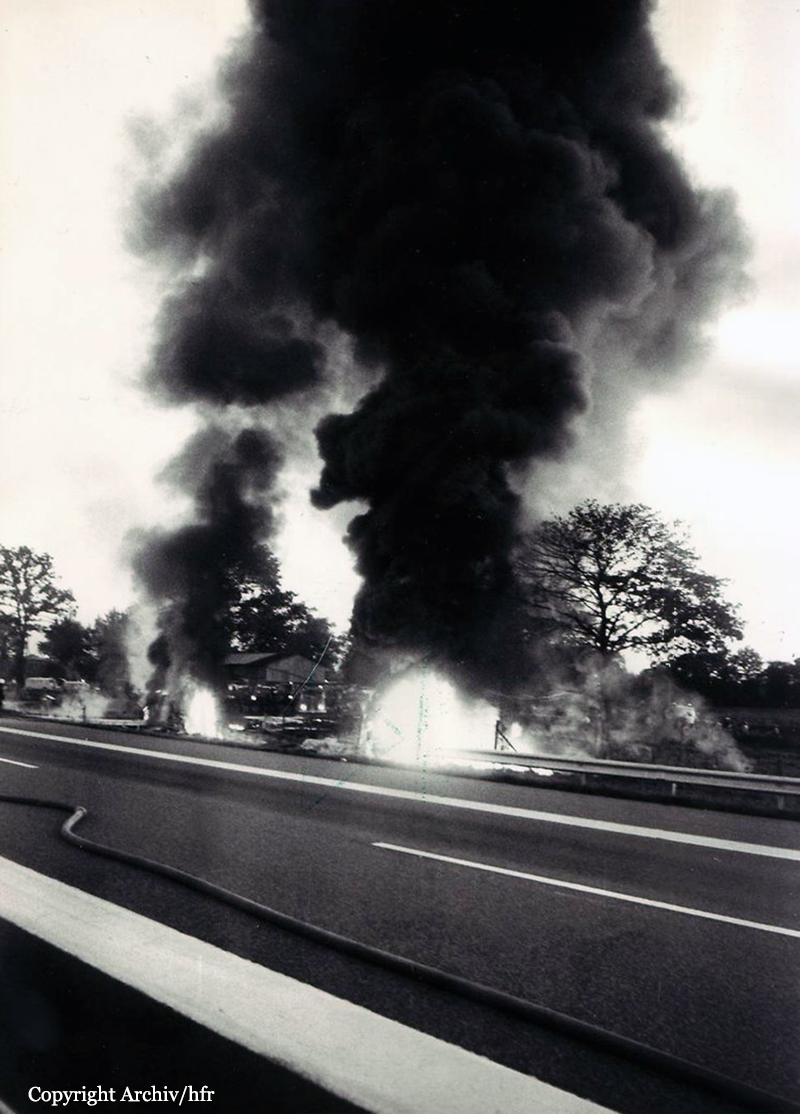
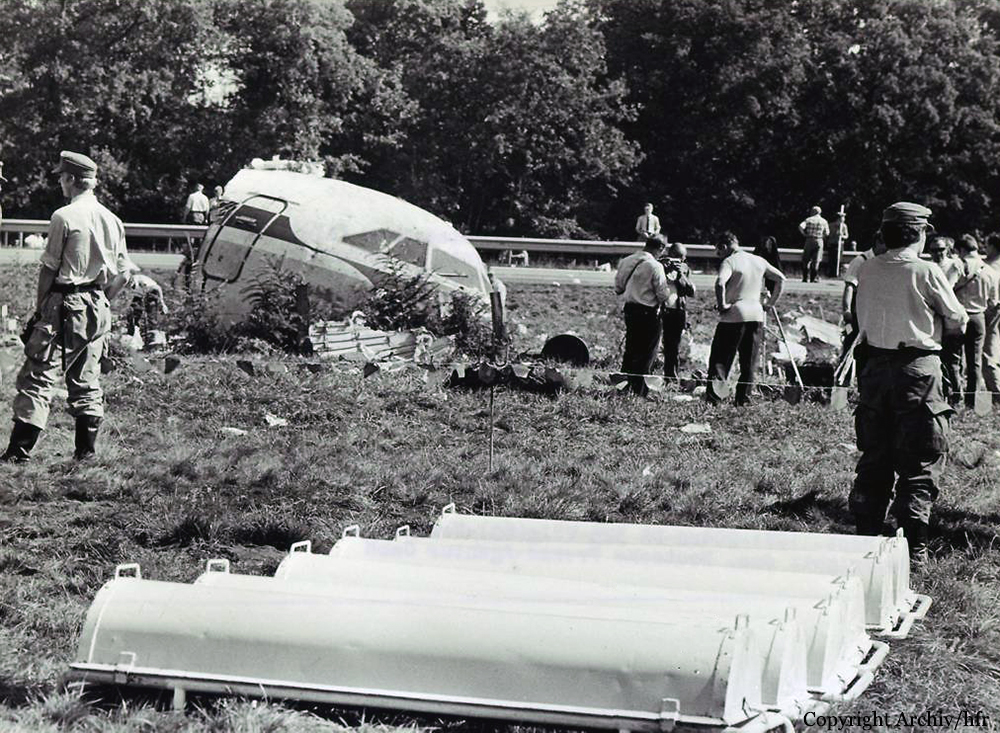
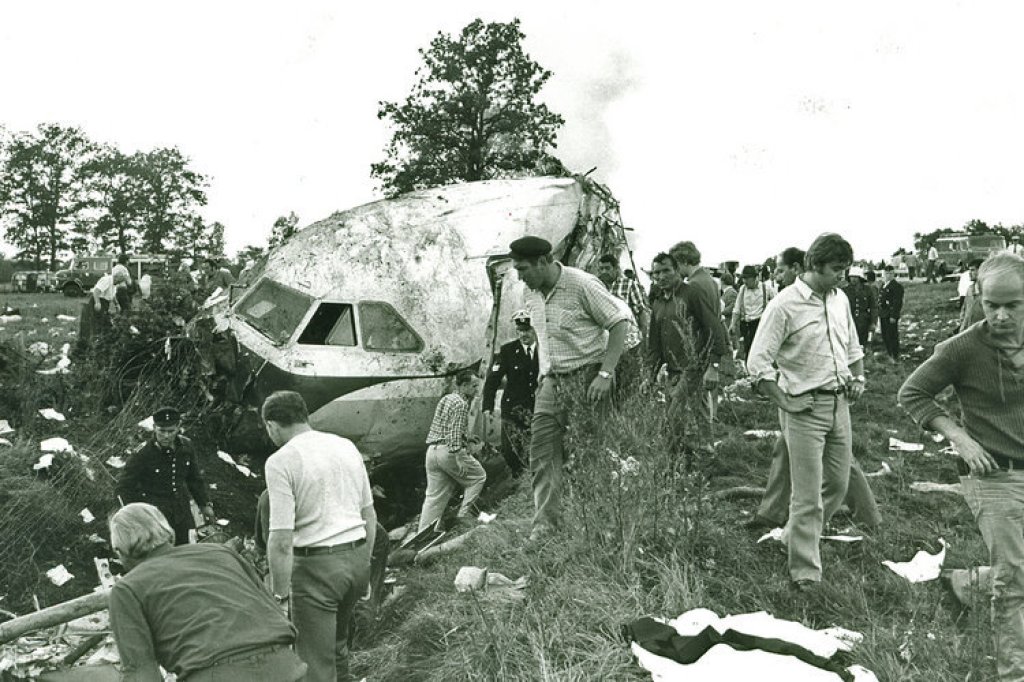
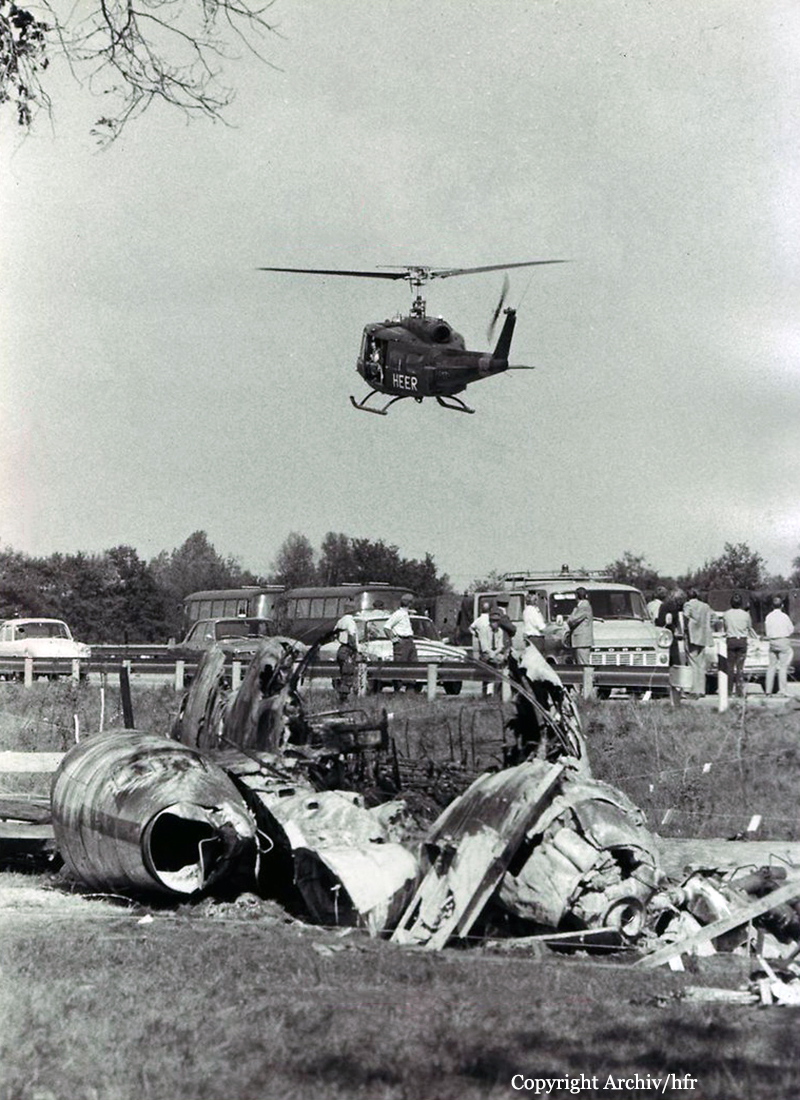
Shortly after takeoff from runway 34 at Hamburg-Fuhlsbüttel Airport, while climbing to an altitude of 1,000 feet, both engine stopped almost simultaneously (the right engine failed immediately after the left engine). The crew declared an emergency and the captain attempted an emergency landing on the Hamburg - Kiel Highway. On touchdown, the airplane slid for few dozen metres, struck a concrete bridge, lost its wings and tail. It veered to the left and came to rest, broken in two after the cockpit separated. A fire erupted and destroyed the airplane. A crew member and 21 passengers were killed while all others occupants escaped, 57 of them were injured.
Crew:
Reinhold Hüls, pilot,
Elisabeth Friske, copilot,
Manfred Rhode, pilot +3.
Crew:
Reinhold Hüls, pilot,
Elisabeth Friske, copilot,
Manfred Rhode, pilot +3.
Probable cause:
The accident was caused by the fact that at least one of the portable containers used to refuel the onboard water injection system tank—which served both engines—contained fuel instead of water. The possibility of such a refueling error was facilitated by the fact that the transport containers used were not labeled with regard to their contents or intended use, were stored improperly, and were consequently used improperly. As a result, during takeoff and the initial climb, fuel rather than water was supplied to the engines via the water injection system toward the end of the injection process, causing severe overheating of the engines, which resulted in serious damage, particularly to the turbines. This damage resulted in a significant loss of thrust, which made it impossible to continue the flight and forced an immediate emergency landing. Due to the low altitude, the highway presented the most suitable emergency landing site. The touchdown on the highway was very hard and resulted in the fracture of the left main landing gear. Due to the damage to both engines, there was very little chance of landing the aircraft at a lower rate of descent. In addition, the aircraft’s weight exceeded the permissible landing weight. After touchdown and the failure of the left landing gear, the crew could no longer influence the course of events.
Final Report:
D-ALAR.pdf2.3 MB