Crash of a Cessna 208B Grand Caravan in Manaus

Date & Time: Sep 16, 2019 at 1225 LT
Type of aircraft:
Operator:
Registration:
PT-MHC
Flight Phase:
Survivors:
Yes
Schedule:
Manaus - Maués
MSN:
208B-0543
YOM:
1996
Country:
Crew on board:
2
Crew fatalities:
Pax on board:
8
Pax fatalities:
Other fatalities:
Total fatalities:
0
Captain / Total flying hours:
22800
Captain / Total hours on type:
14150.00
Copilot / Total flying hours:
947
Copilot / Total hours on type:
791
Circumstances:
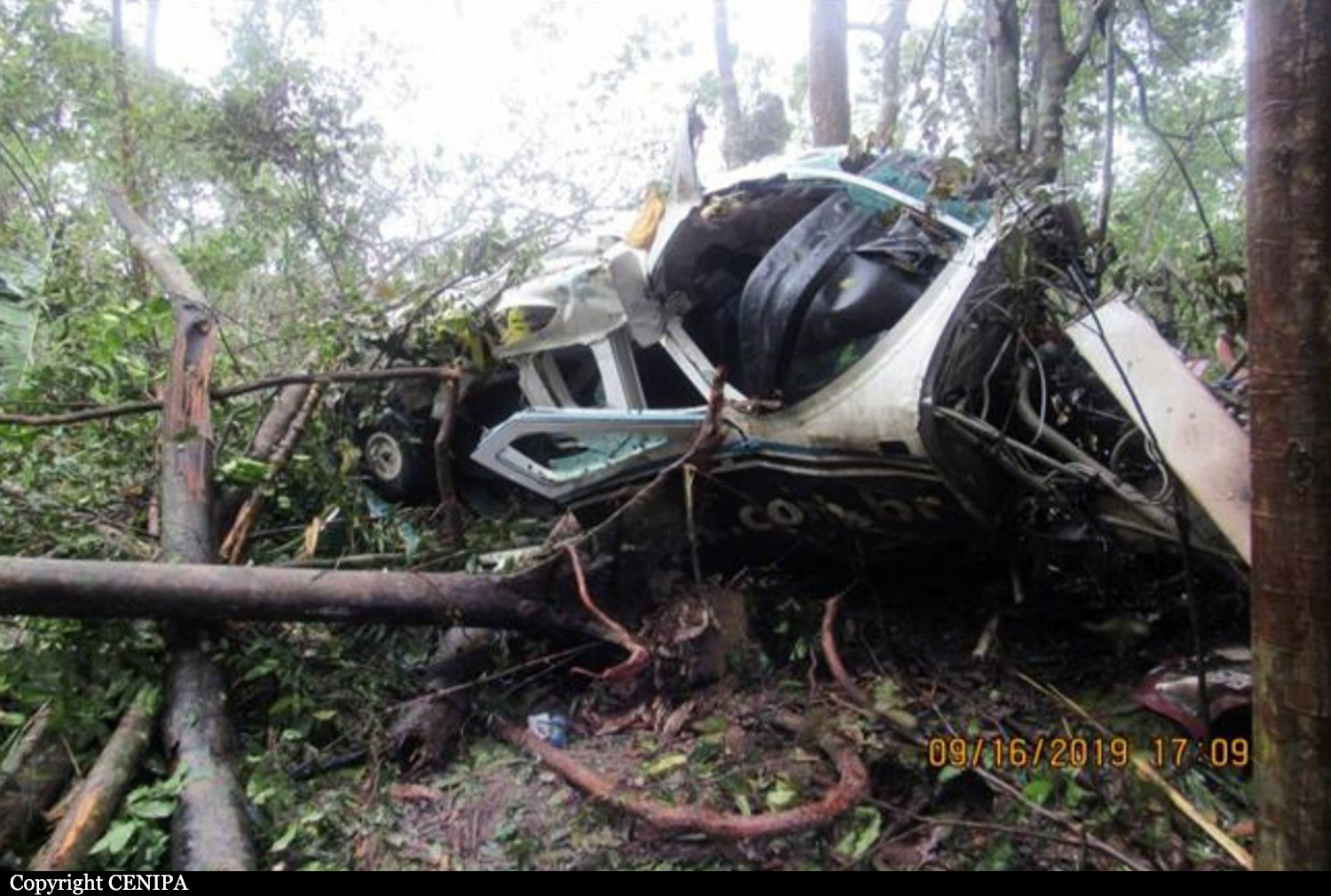
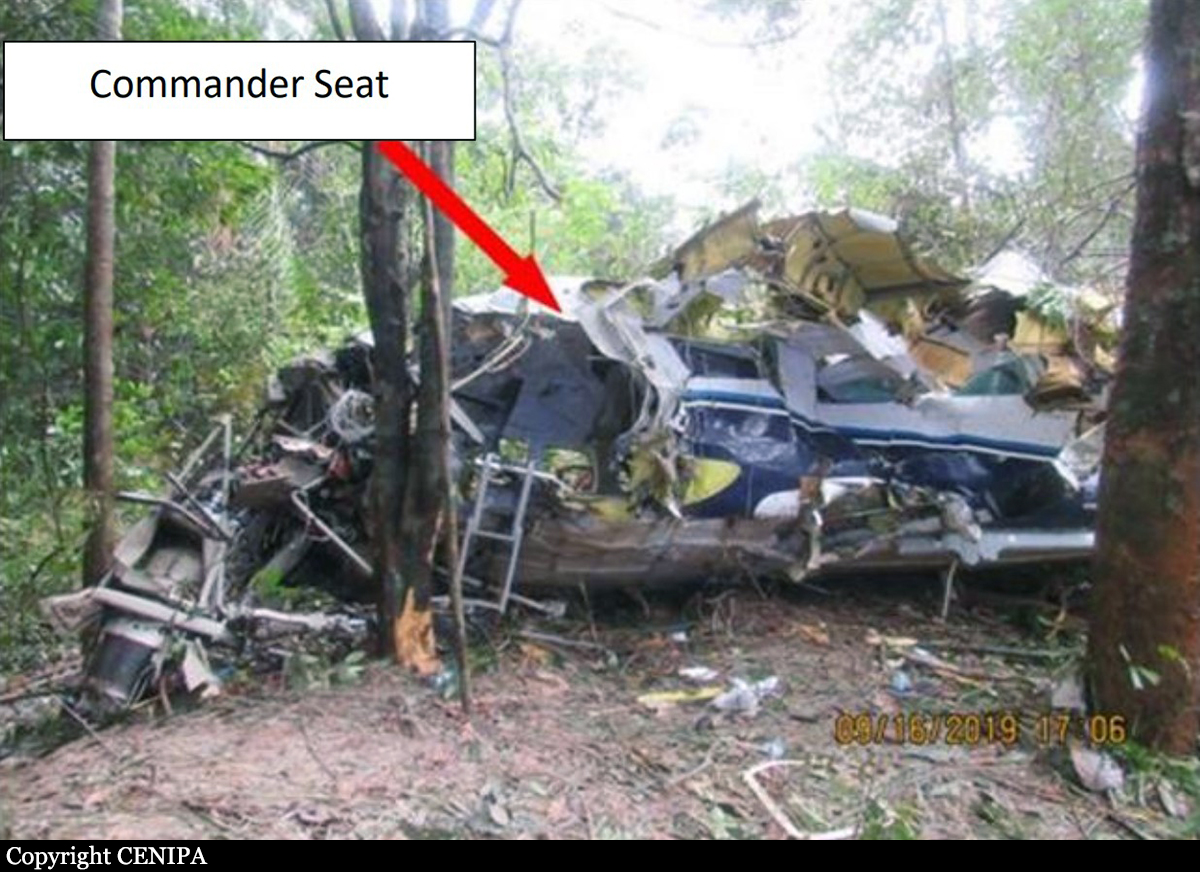
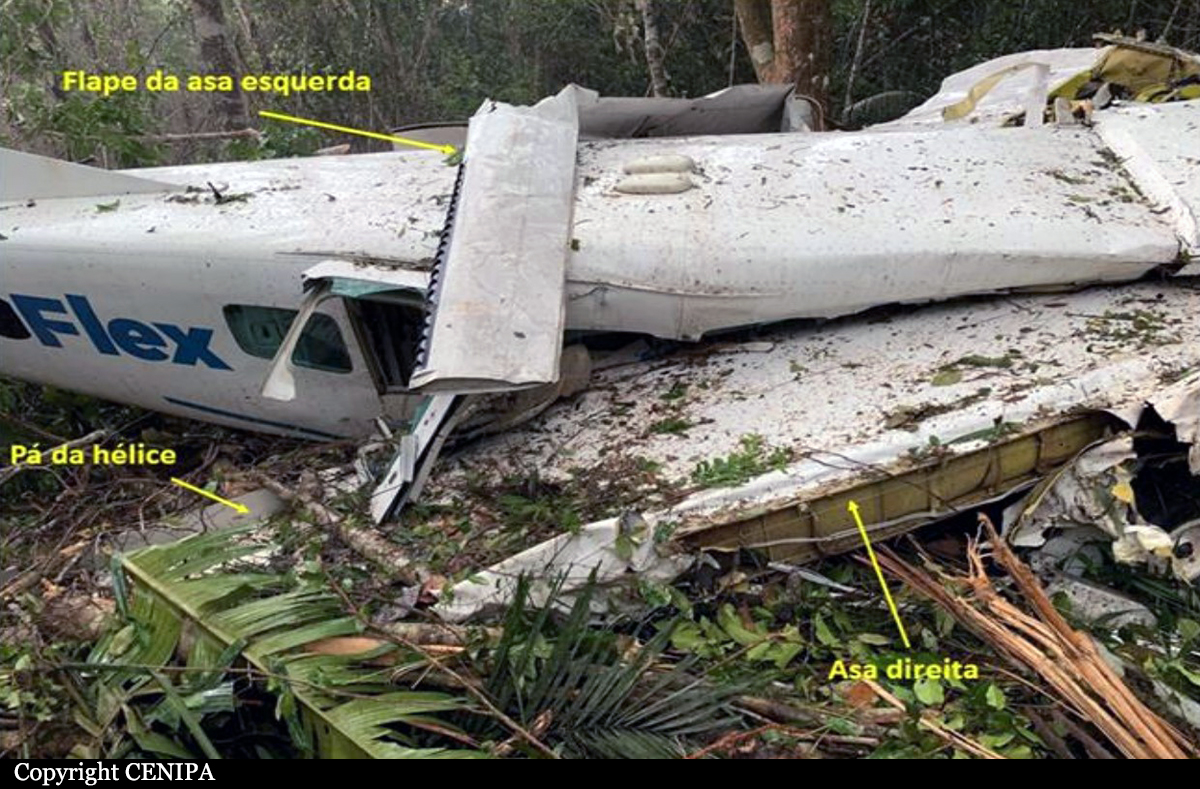
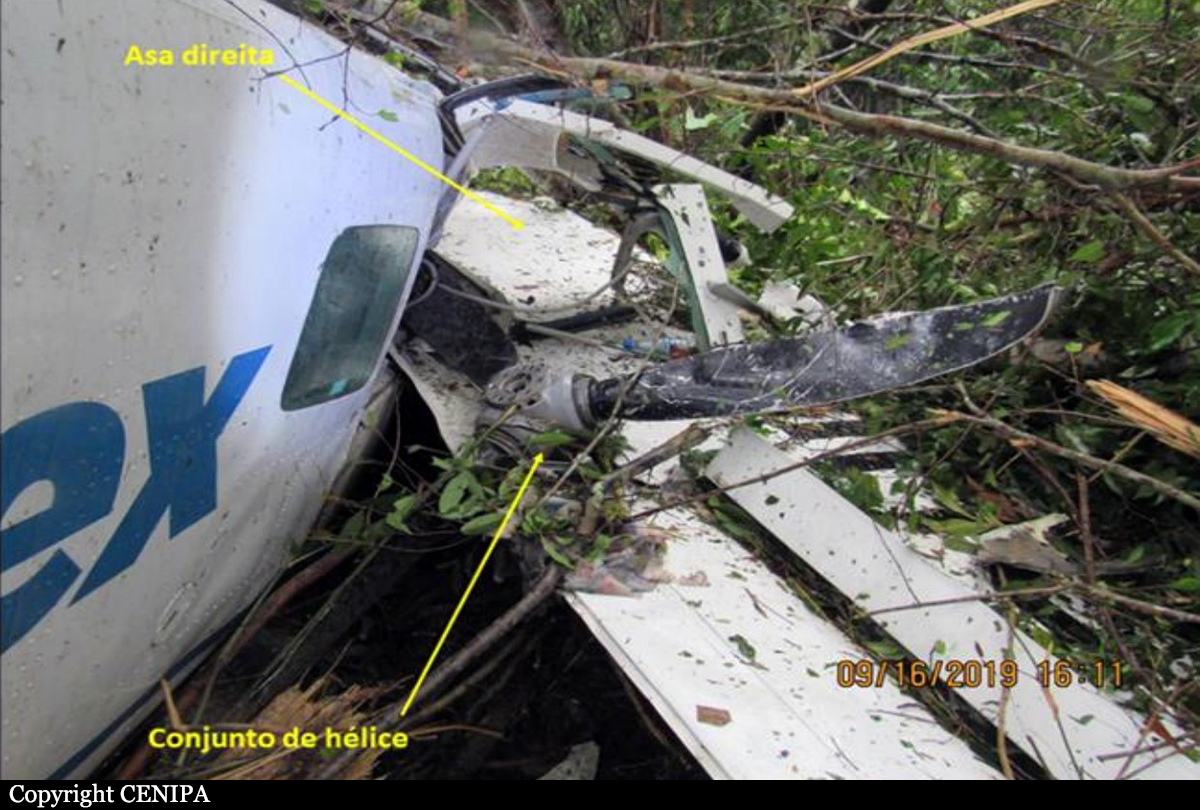
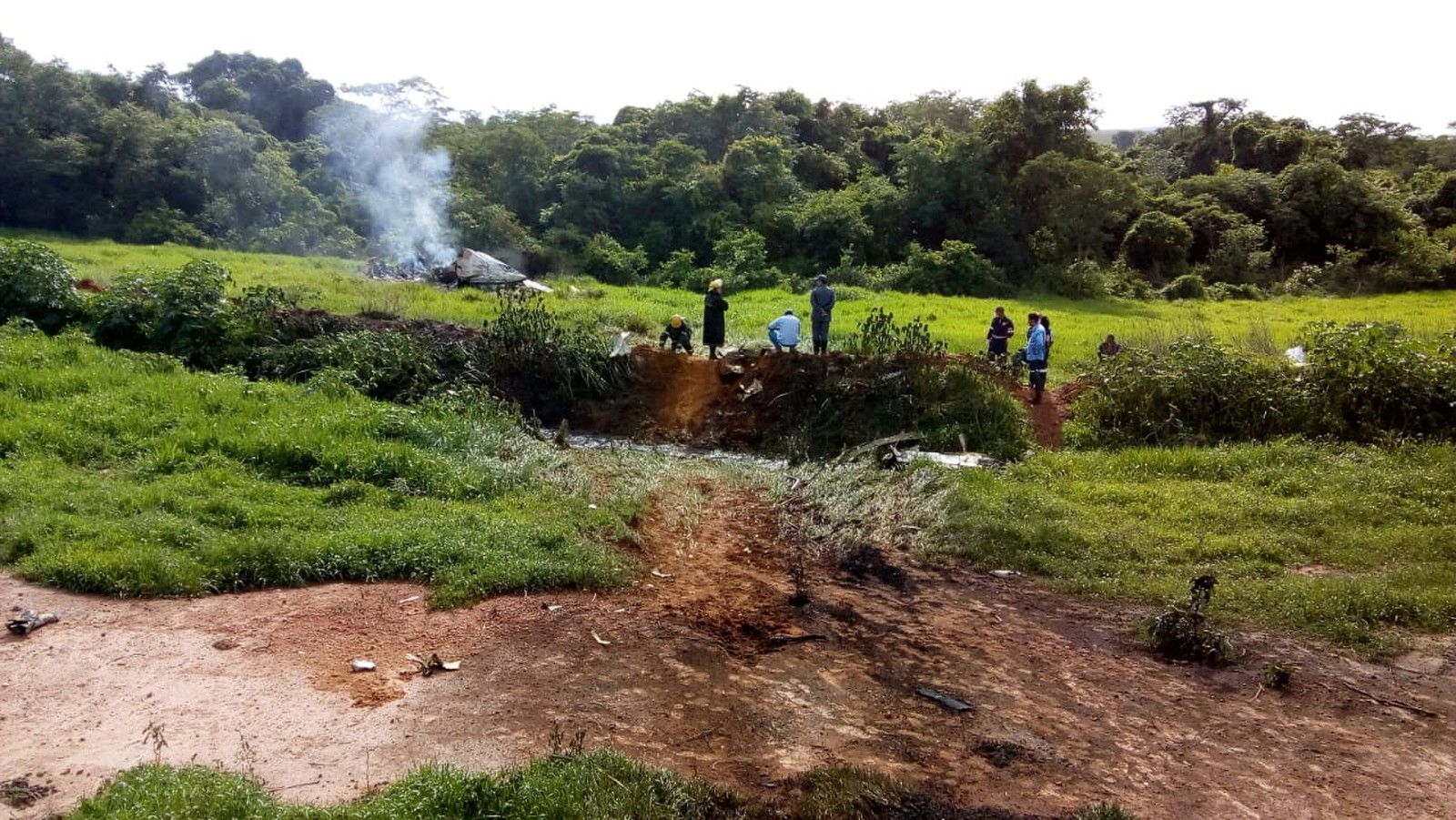
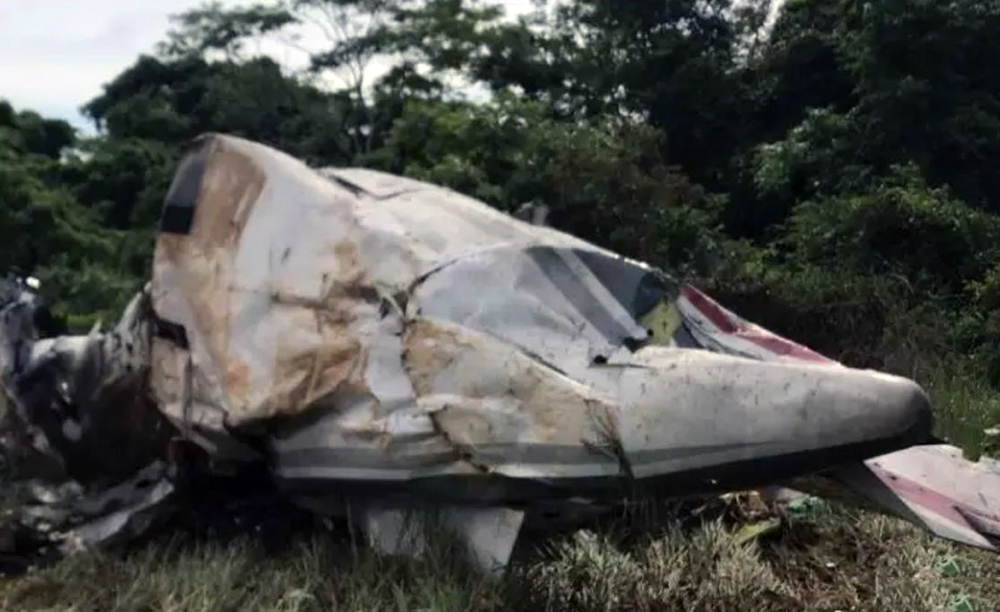
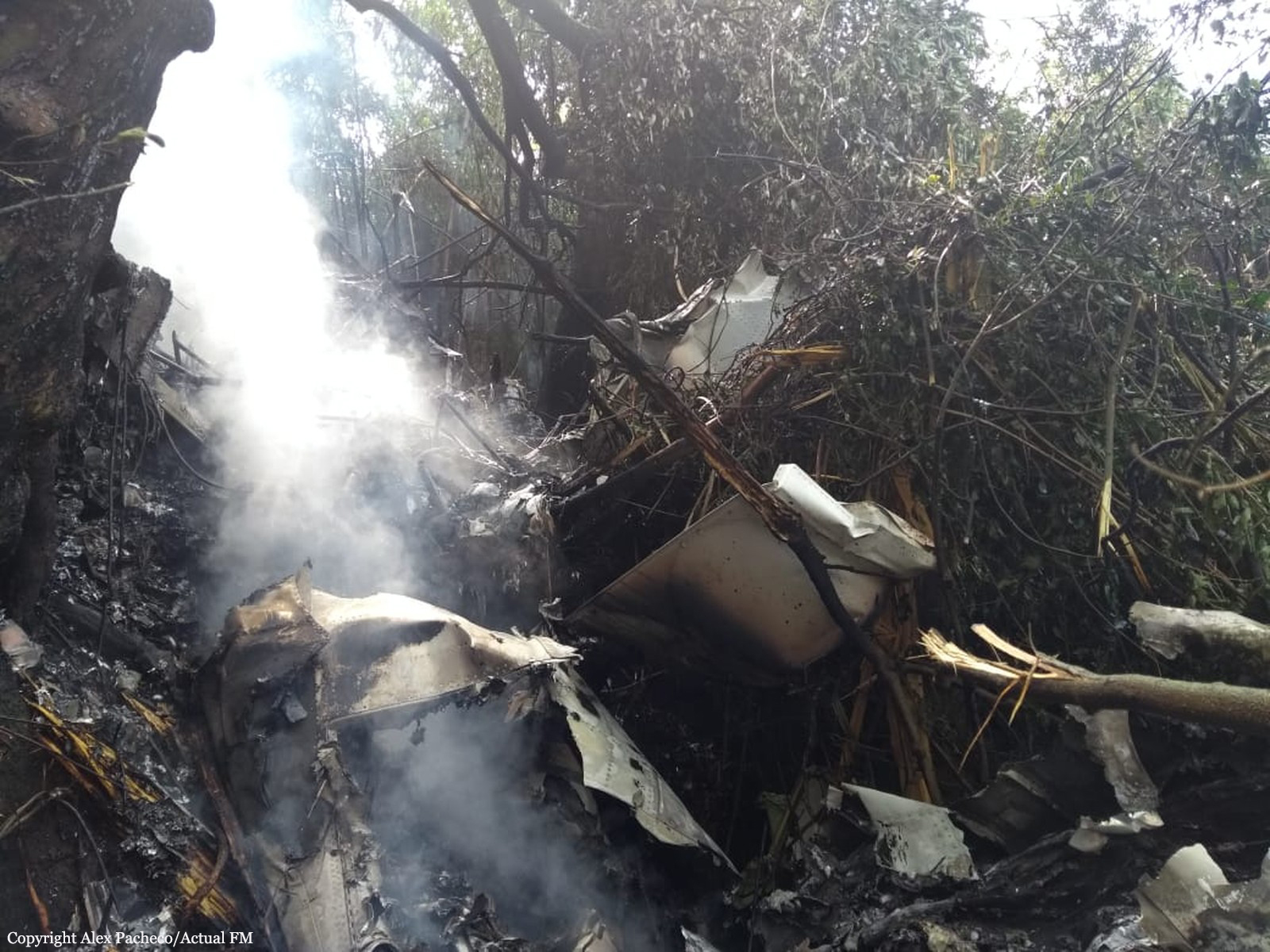
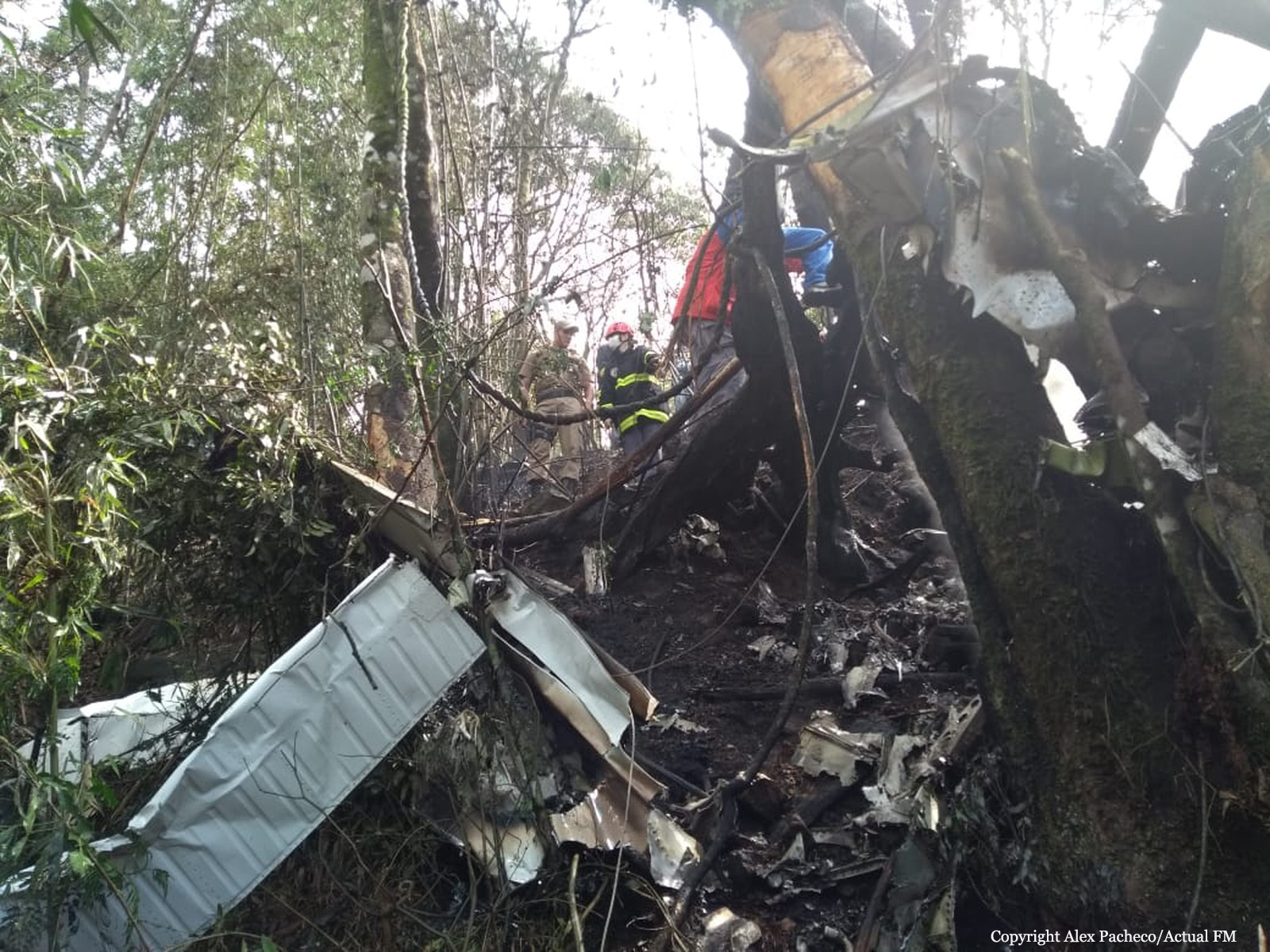
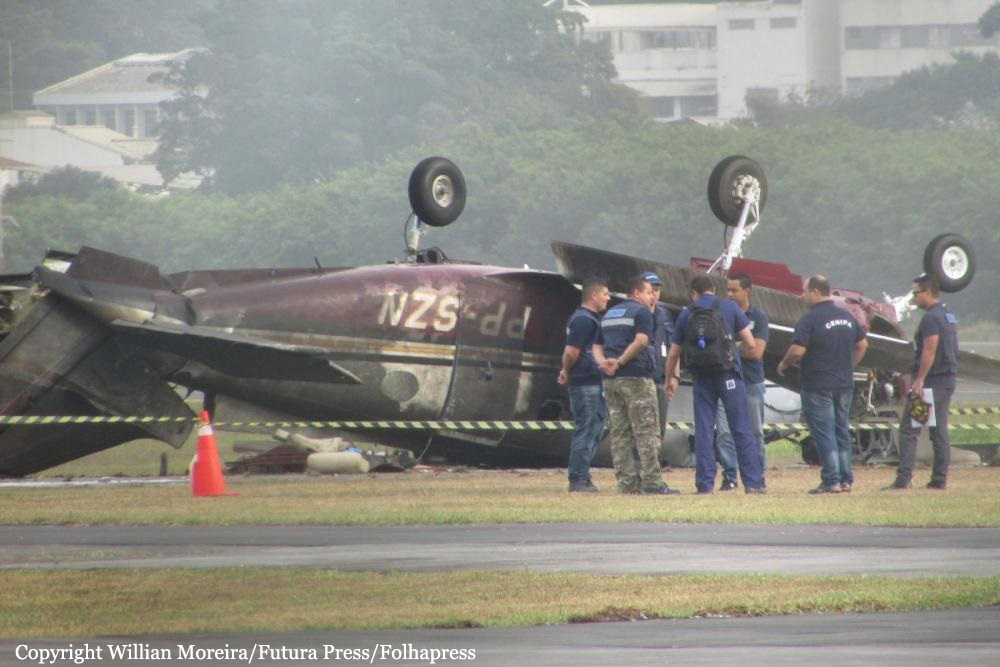
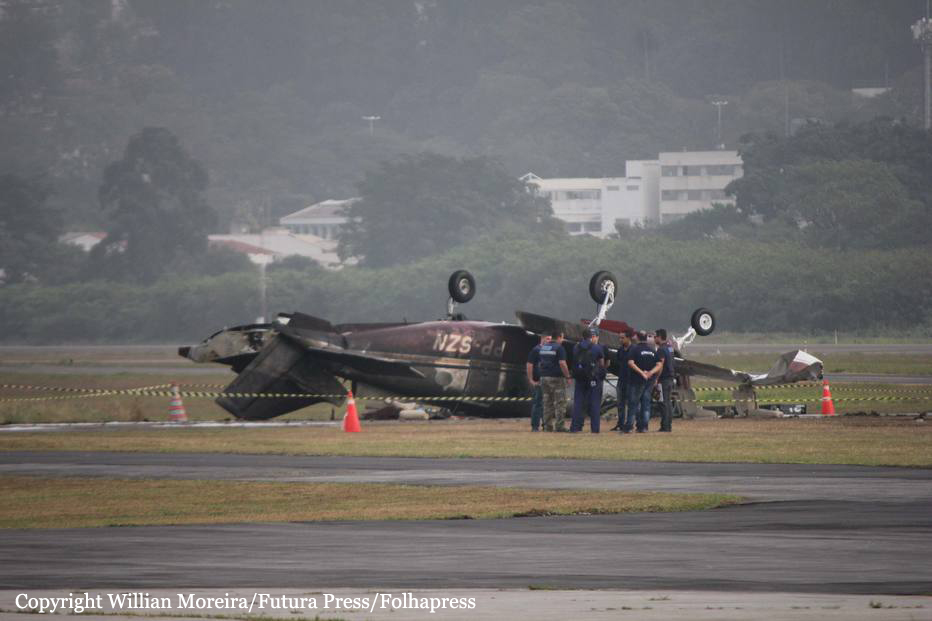
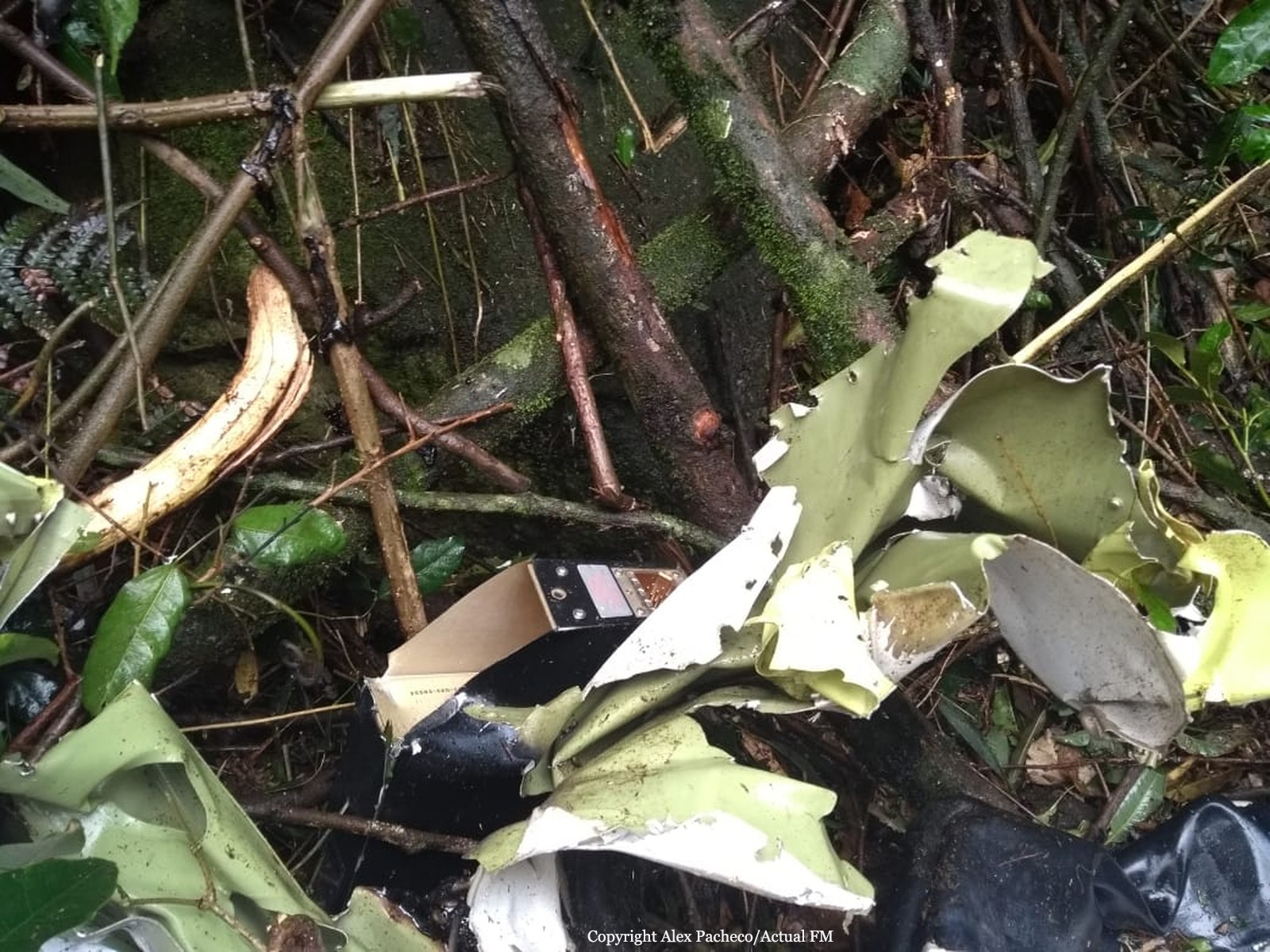
The single engine airplane departed Manaus-Eduardo Gomes Airport Runway 29 in heavy rain falls as weather conditions deteriorated shortly prior to takeoff. After liftoff, while in initial climb, the airplane lost altitude and crashed in a dense wooded area located 600 metres past the runway end. The aircraft was destroyed by impact forces and all 10 occupants were injured, among them six seriously. At the time of the accident, weather conditions were poor with heavy rain falls, turbulence and windshear.
Probable cause:
The accident was the consequence of the combination of the following factors:
- Control skills – undetermined.
While facing adverse conditions, the use of controls may have been inappropriate for the situation and may have contributed to the aircraft not being able to maintain a positive climb rate.
- Attitude – undetermined.
Familiarization with the region may have led to an attitude, on the part of the PIC, of minimizing the importance of analyzing adverse weather conditions, to the detriment of compliance with the minimum limits established by the company in its manuals.
- Training – undetermined.
It is possible that, due to possible inadequate training, the SIC did not identify the critical situation that arose shortly after the take-off in time to assist the PIC in maintaining flight control.
- Tasks characteristics – undetermined.
The characteristics present in the type of operation, compliance with schedules without the possibility of delays, due to the runway closing period, may have favored the self imposed pressure on the part of the PIC, leading him to operate with reduced safety margins.
- Adverse meteorological conditions – a contributor.
The conditions at the time of the take-off contributed to the aircraft not being able to maintain the flight with a positive climb rate. The probable occurrence of Windshear determined that the trajectory of the aircraft was modified until its collision with the ground.
- Crew Resource Management – undetermined.
On the part of the SIC, no assertive attitude was perceived in the sense of alerting the PIC that those conditions were not favorable for takeoff. Thus, the crew decided to carry out the take-off despite the company's SOP.
- Organizational culture – undetermined.
The company encouraged compliance with the legs even though, within the planning of flights, there was not an adequate margin of time to absorb any delays. This culture may have influenced the PIC's decision-making, which, despite encountering adverse conditions, chose to take off, since the short time on the ground in the intermediate locations did not allow room for delays.
- Emotional state – undetermined.
The reports indicated that the PIC felt pressured to perform the take-off even in the weather conditions found on the day of this occurrence. Also, according to the interviewees, this pressure would be related to the fulfillment of the flight schedule and the need to keep to the scheduled times. In this way, it is possible that their assessment of the performance of the flight was influenced by the stress resulting from the pressure to complete the flight within the expected time, given the closing time of the runway for works.
- Flight planning – a contributor.
The flight planning was not carried out properly, considering that the planned schedules and routes would end after the closing time of the SBEG runway for works, provided for in the NOTAM. This meant that there was little time to adjust the legs, increasing the workload and stress in the cabin.
- Decision-making process – a contributor.
There was a wrong assessment of the meteorological conditions, which contributed to the decision of performing it in an adverse situation.
- ATS publication– undetermined.
The TWR-EG did not inform, before the take-off, of the changes in the significant weather conditions that were occurring at the terminal, which could have contributed to the PIC's decision-making.
Final Report:

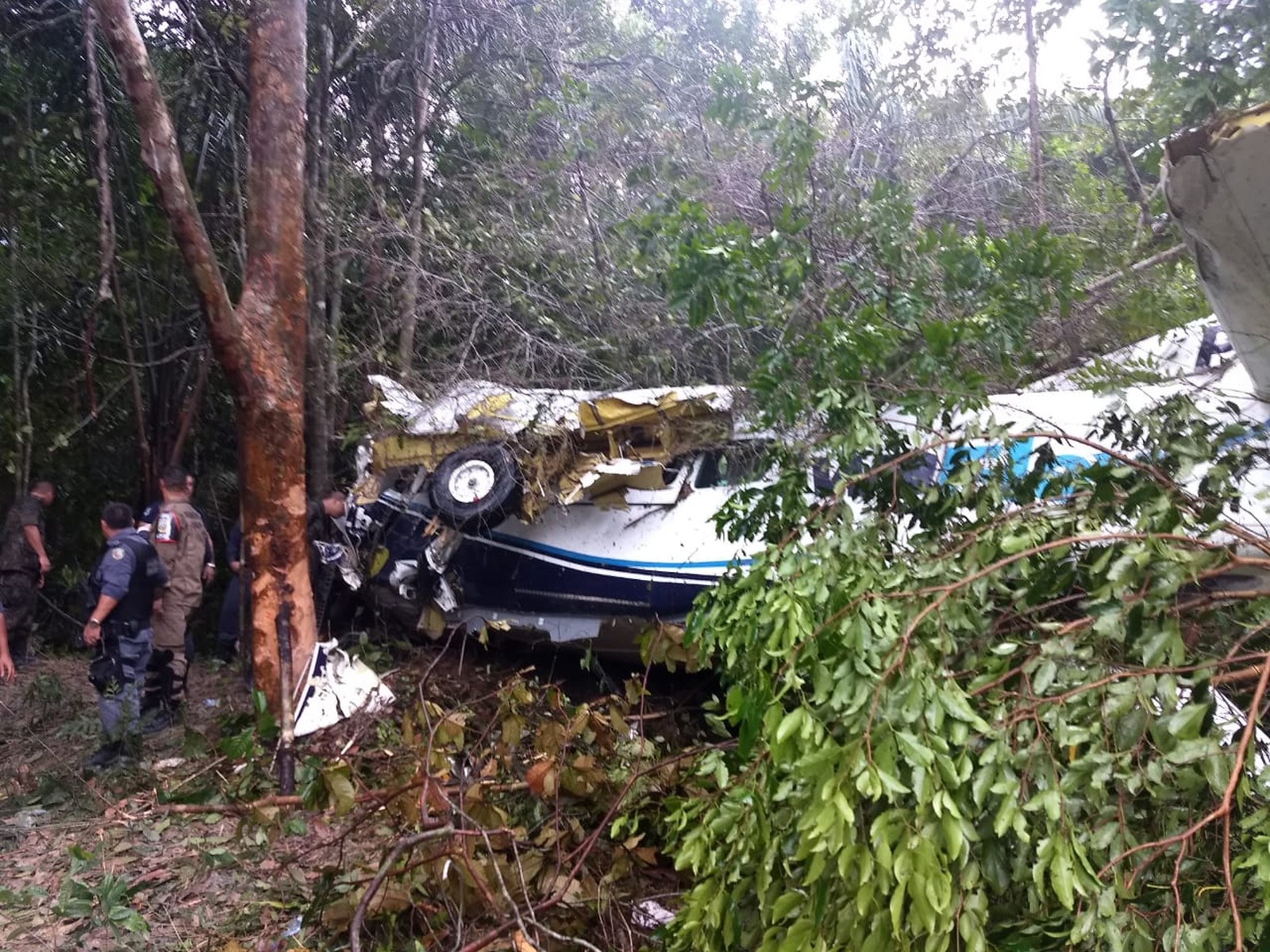
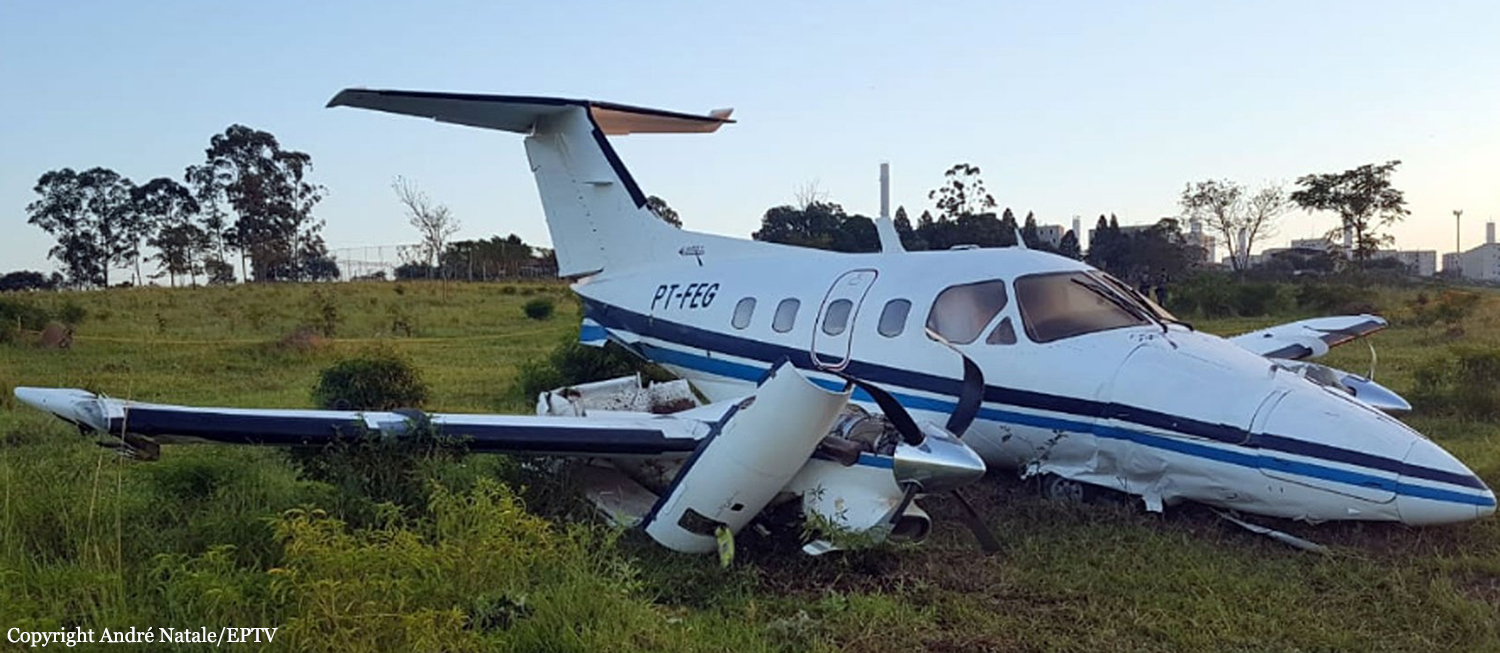
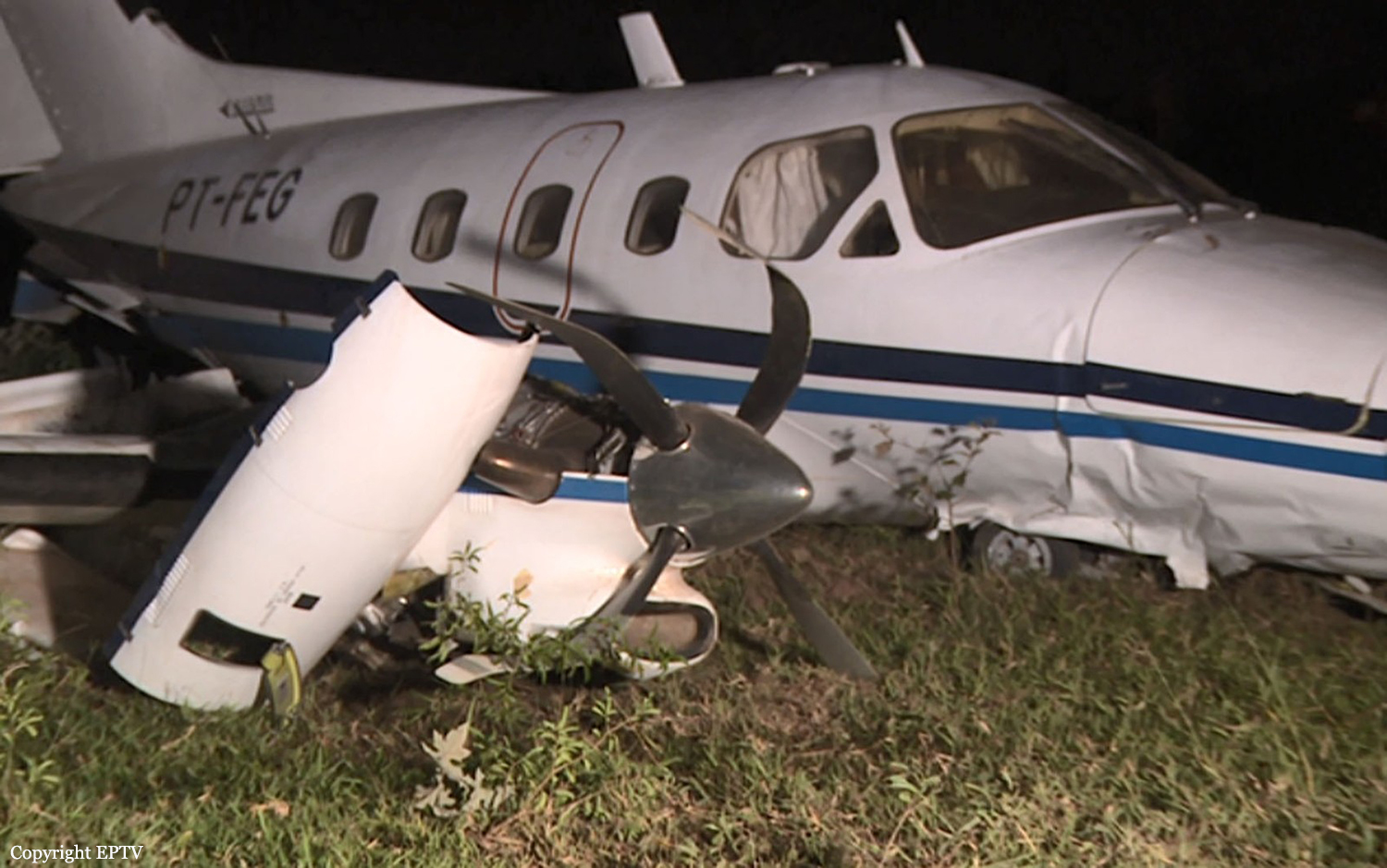
Crash of an Embraer EMB-121A1 Xingu II in Campinas

Date & Time: Apr 1, 2019 at 2347 LT
Type of aircraft:
Registration:
PT-FEG
Flight Type:
Survivors:
Yes
Schedule:
Sorocaba - Palmas
MSN:
121-057
YOM:
1982
Country:
Crew on board:
1
Crew fatalities:
Pax on board:
4
Pax fatalities:
Other fatalities:
Total fatalities:
0
Captain / Total flying hours:
2031
Captain / Total hours on type:
276.00
Aircraft flight hours:
5683
Circumstances:
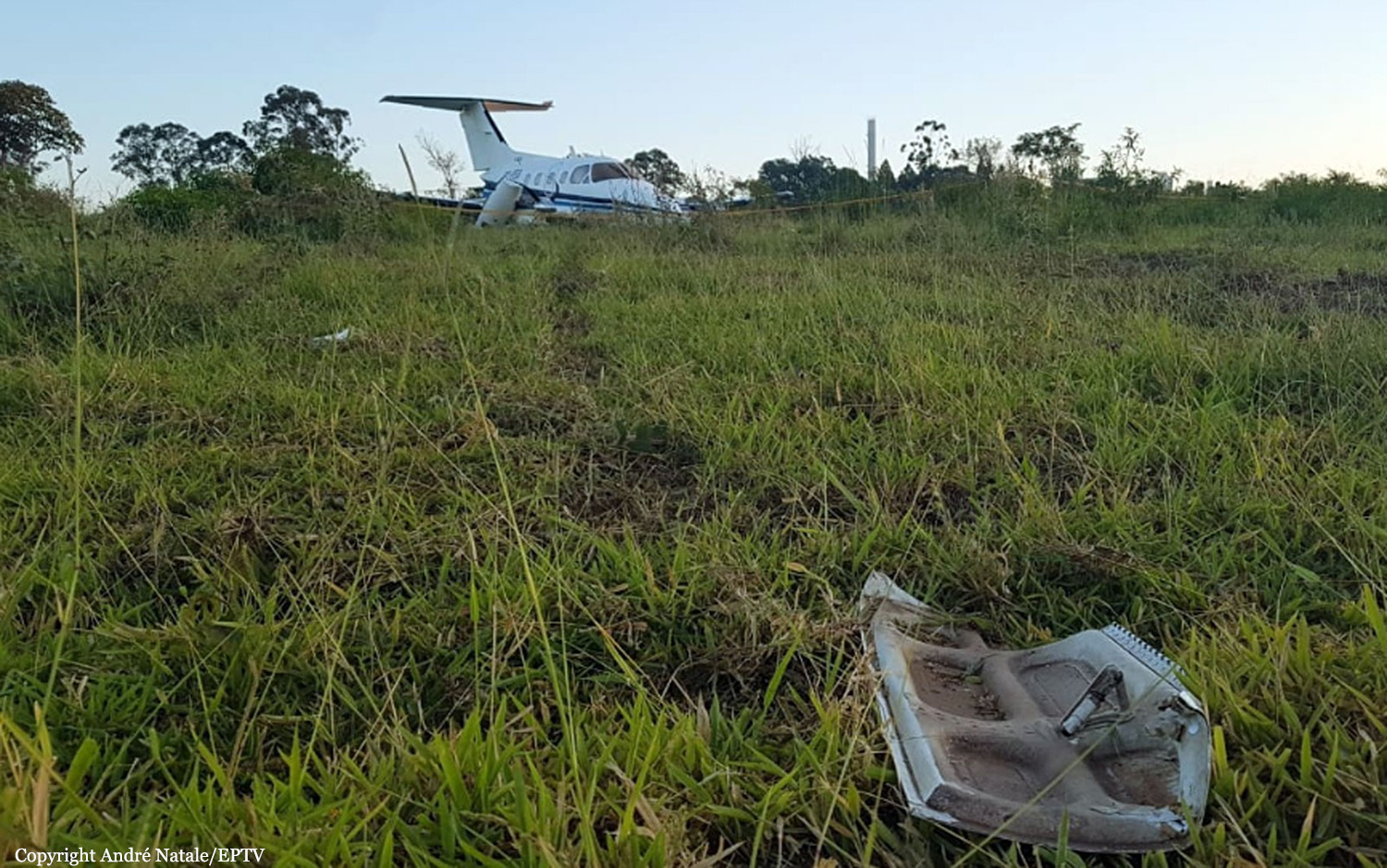
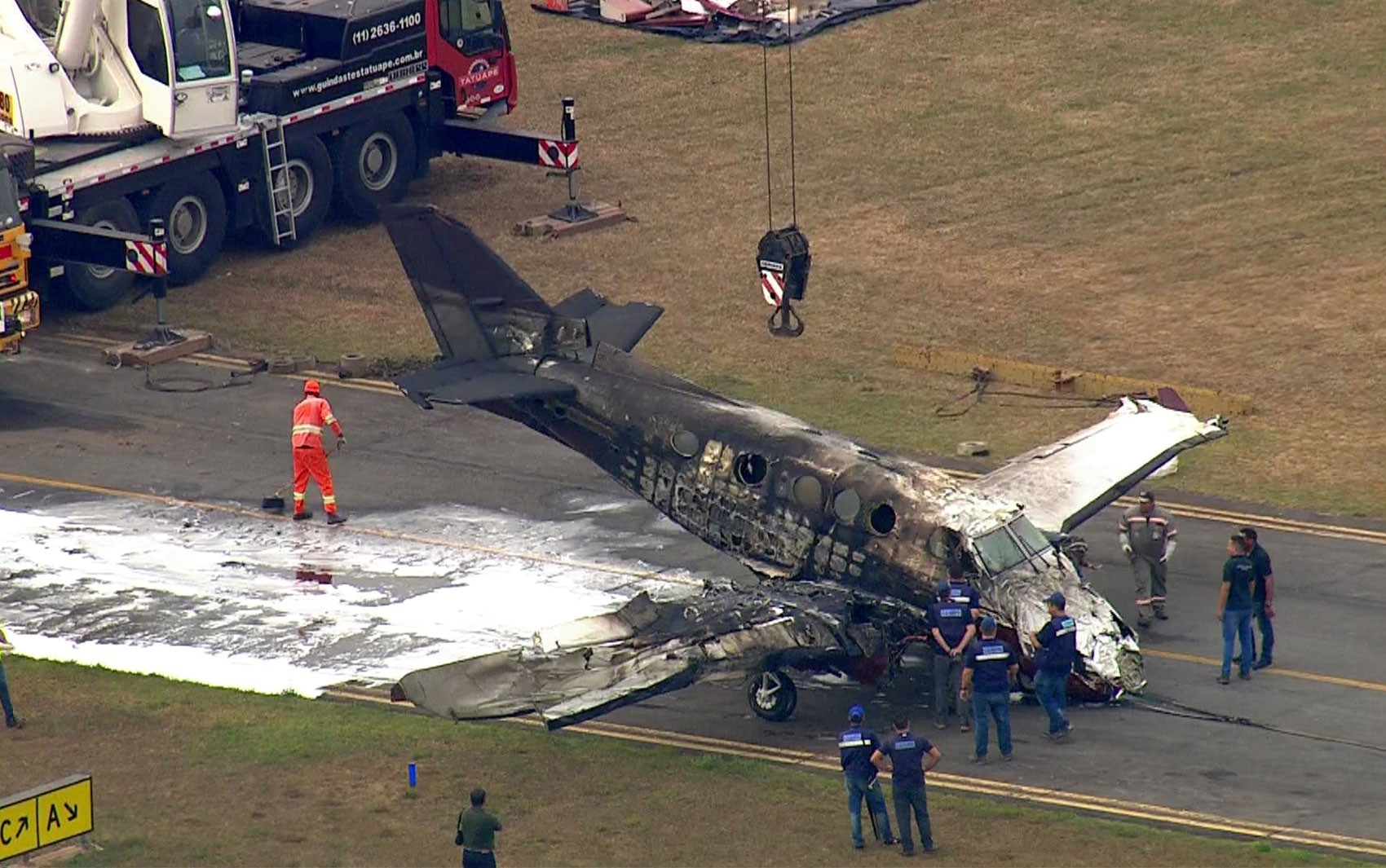
The twin engine airplane departed Sorocaba-Estadual Bertram Luiz Leupolz Airport at 2030LT on a flight to Palmas, Tocantins, carrying four passengers and one pilot. Few minutes after takeoff, the "FIRE" warning light on the alarm panel, related to the right engine of the aircraft, illuminated. The pilot shut down the right engine, declared an emergency and was cleared to divert to Campinas-Viracopos Airport. On approach, the airplane descended too low and the pilot made an emergency landing in a prairie located about 7 km short of runway 15 threshold. The wreckage was found less than a km from the Jardim Bassoli condominium and all five occupants, slightly injured, were evacuated. The aircraft was damaged beyond repair.
Probable cause:
Contributing Factors:
- Control Application - contributed.
The difficulty in coordinating the aircraft due to its single-engine flight condition indicated that improper control application contributed to the outcome of this event. Additionally, the early configuration of the aircraft, with the landing gear lowered and flaps at 100%, led it to descend on a glide path below the recommended one, affecting the achievement of the necessary parameters for landing.
- Training - contributed.
The training process previously received by the PIC (Pilot in Command) was insufficient, as it did not provide them with the full knowledge and technical conditions required for performing the duties of a pilot in command of the EMB-121 A1, either due to a lack of training or the low quality of the training received.
- Pilot Judgment - contributed.
The inadequate training led to improper evaluations of the parameters related to the aircraft's operation, contributing to the event. This included a poor assessment of the situation and lowering the landing gear and setting flaps to 100% without ensuring that the landing was secured.
Final Report:

Crash of a Cessna 208 Caravan I near Caracaraí

Date & Time: Feb 9, 2019 at 1040 LT
Type of aircraft:
Operator:
Registration:
PR-RTA
Survivors:
Yes
Schedule:
Manaus - Caracaraí
MSN:
208-0380
YOM:
2004
Country:
Crew on board:
2
Crew fatalities:
Pax on board:
8
Pax fatalities:
Other fatalities:
Total fatalities:
0
Circumstances:
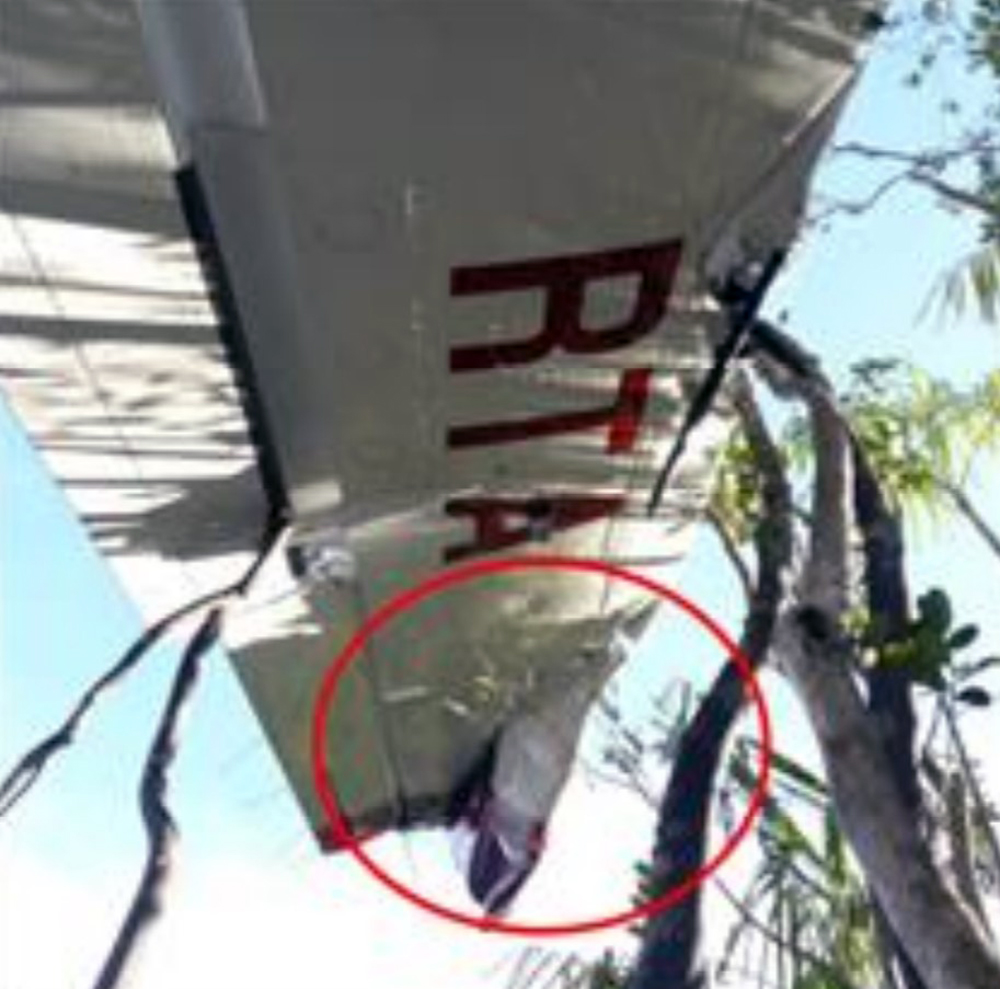
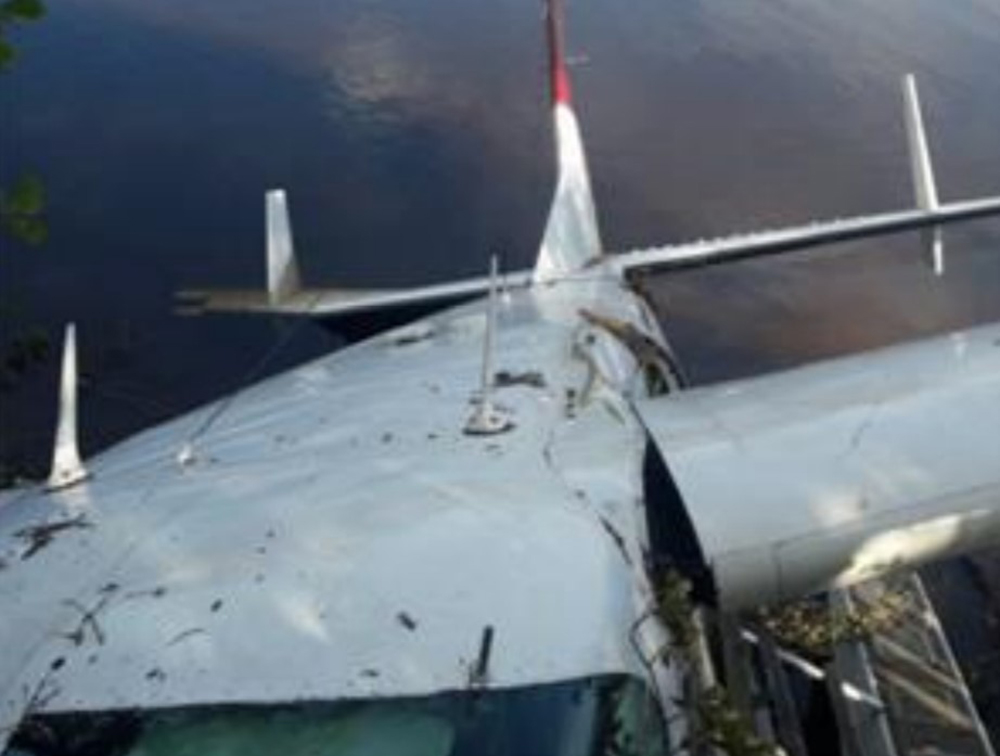
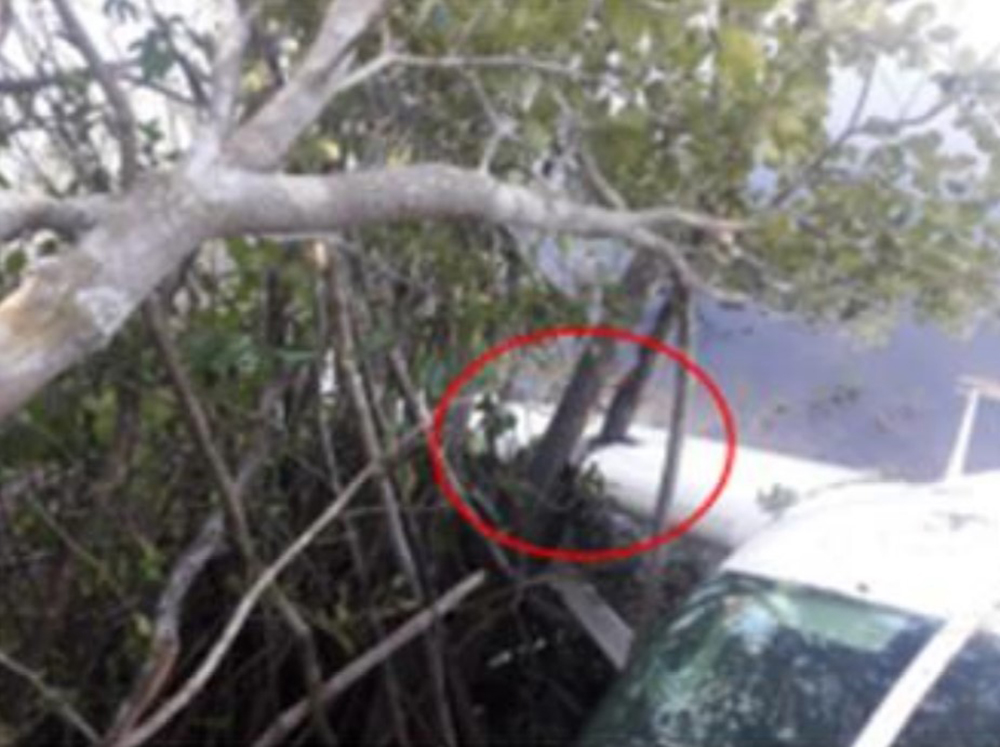
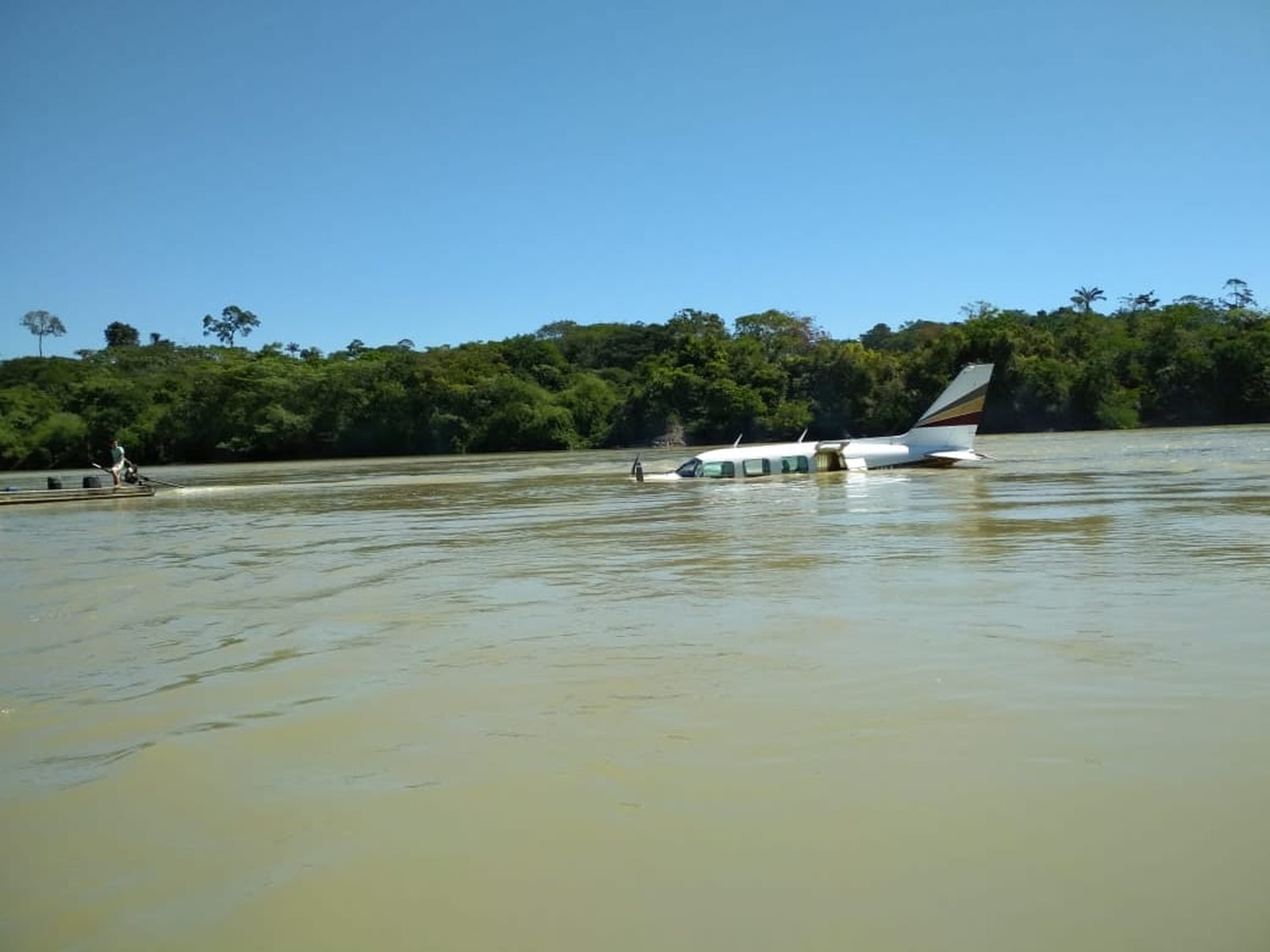
The single engine floatplane departed Manaus-Eduardo Gomes Airport on a charter flight to the area of the Xeriuini River near Caracaraí, carrying eight passengers and two pilots bound for a fish camp. Due to the potential presence of obstacles in the river due to low water level, the crew decided to land near the river bank. After landing, the left wing impacted a tree and the aircraft rotated to the left and came to rest against trees on the river bank. All 10 occupants evacuated safely and the aircraft was damaged beyond repair.
Probable cause:
The following findings were identified:
- Attention,
- Judgment,
- Perception,
- Management planning,
- Decision making processes,
- Organization processes,
- Support systems.
Final Report:

Crash of a Cessna 525 CitationJet M2 in Fazenda Fortaleza de Santa Terezinha: 4 killed

Date & Time: Nov 26, 2018 at 0830 LT
Type of aircraft:
Operator:
Registration:
PP-OEG
Survivors:
No
Schedule:
Belo Horizonte - Fazenda Fortaleza de Santa Terezinha
MSN:
525-0849
YOM:
2014
Country:
Crew on board:
1
Crew fatalities:
Pax on board:
3
Pax fatalities:
Other fatalities:
Total fatalities:
4
Captain / Total flying hours:
11000
Captain / Total hours on type:
522.00
Circumstances:
The twin engine airplane was completing a flight from Belo Horizonte-Pampulha-Carlos Drummond de Andrade to the Fortaleza de Santa Terezinha Farm (Fazenda Fortaleza de Santa Terezinha) located in Várzea da Palma, Jequitaí, Minas Gerais. On board were three passengers and one pilot. On final approach to runway 20, during the last segment, the airplane collided with a metallic water irrigation system. The pilot initiated a go around procedure when he lost control of the airplane that veered to the left, impacted the ground and crashed in a field located to the left of the runway, about 600 metres from the initial impact, bursting into flames. The aircraft was totally destroyed by impact forces and a post crash fire and all four occupants were killed, among them Mr. Adolfo Geo, owner of the Brazilian group ARG Ltd active in food, oil and construction. He was accompanied by his wife Margarida Janete Geo.
Probable cause:
The following factors were identified:
- Airport infrastructure – a contributor.
It was found that the irrigation pivot, at the point where the collision took place, was impairing the gauge of the approach surface as described in Ordinance 957/GC3, of 09JUL2015, which provided for restrictions on objects projected into the airspace that could adversely affect the safety or regularity of air operations.
- Piloting judgment – a contributor.
The final approach was carried out below the ideal approach ramp, allowing the collision against the pivot, located in the alignment of the runway.
- Perception – undetermined.
It is possible that the PIC, when approaching for the landing, did not notice the irrigation pivot and, therefore, collided with the obstacle.
- Flight planning – a contributor.
There was no prior coordination with the farm employees, in a timely manner so that the irrigation pivot could be repositioned to a safe location in relation to the flight trajectory on the final landing approach.
Final Report:

Crash of a Honda HA-420 HondaJet in Foz do Iguaçu

Date & Time: Sep 24, 2018 at 1342 LT
Type of aircraft:
Operator:
Registration:
PR-TLZ
Survivors:
Yes
Schedule:
Curitiba – Foz do Iguaçu
MSN:
420-00068
YOM:
2017
Country:
Crew on board:
2
Crew fatalities:
Pax on board:
1
Pax fatalities:
Other fatalities:
Total fatalities:
0
Captain / Total flying hours:
5600
Captain / Total hours on type:
77.00
Copilot / Total flying hours:
660
Copilot / Total hours on type:
14
Circumstances:
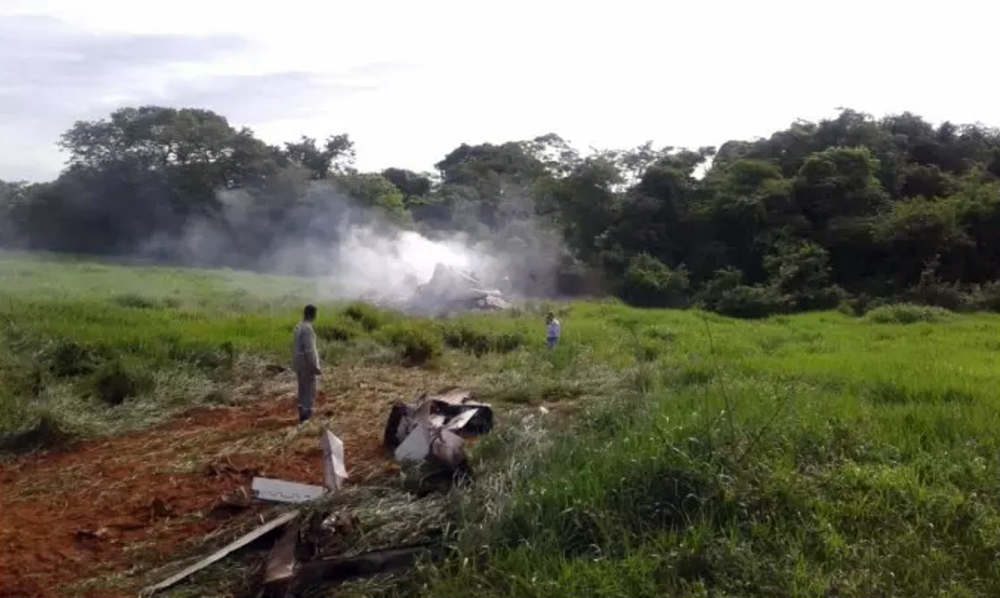
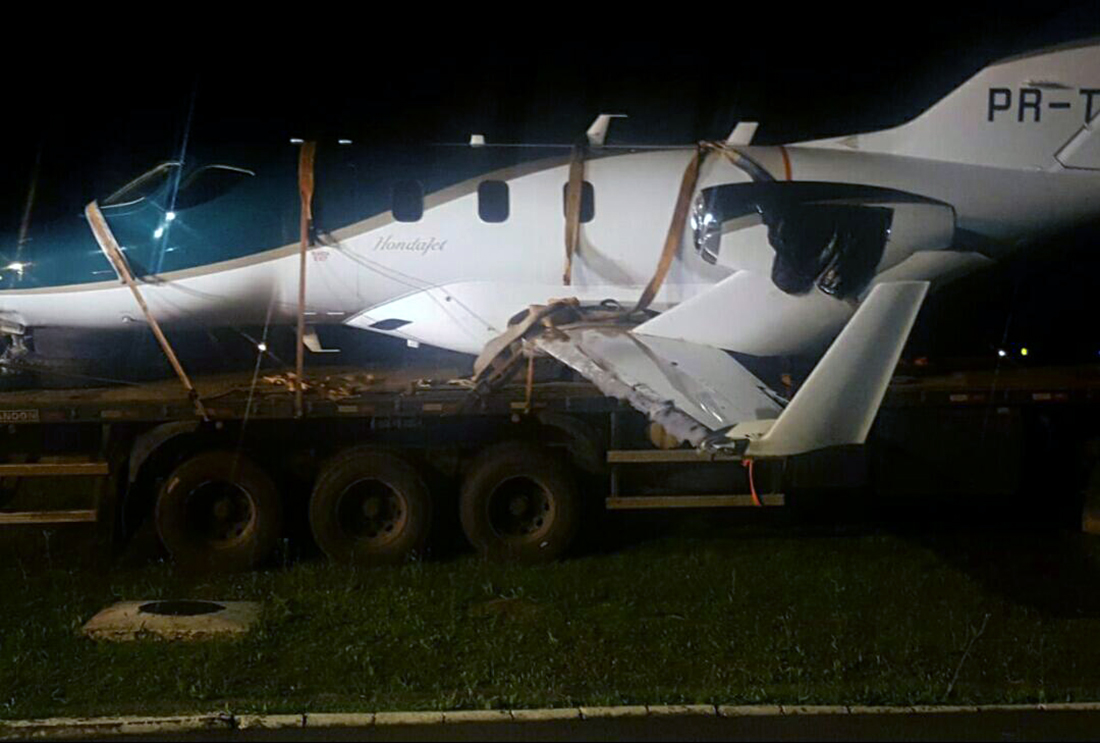
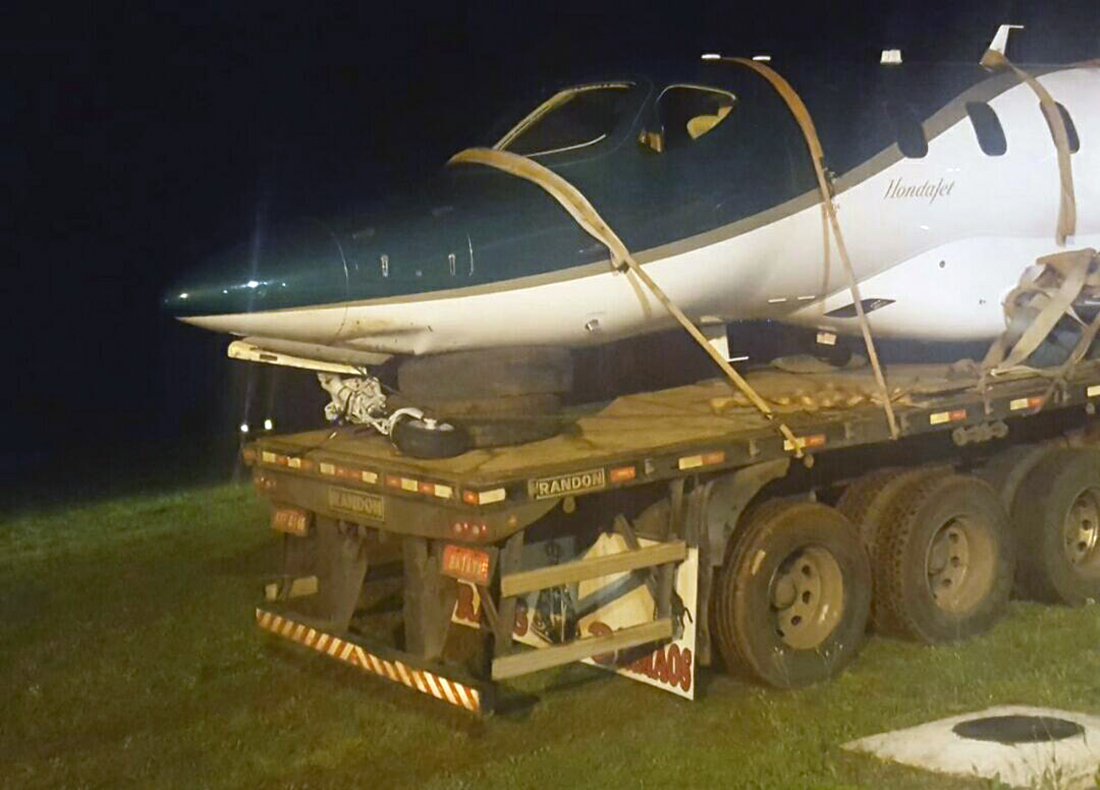
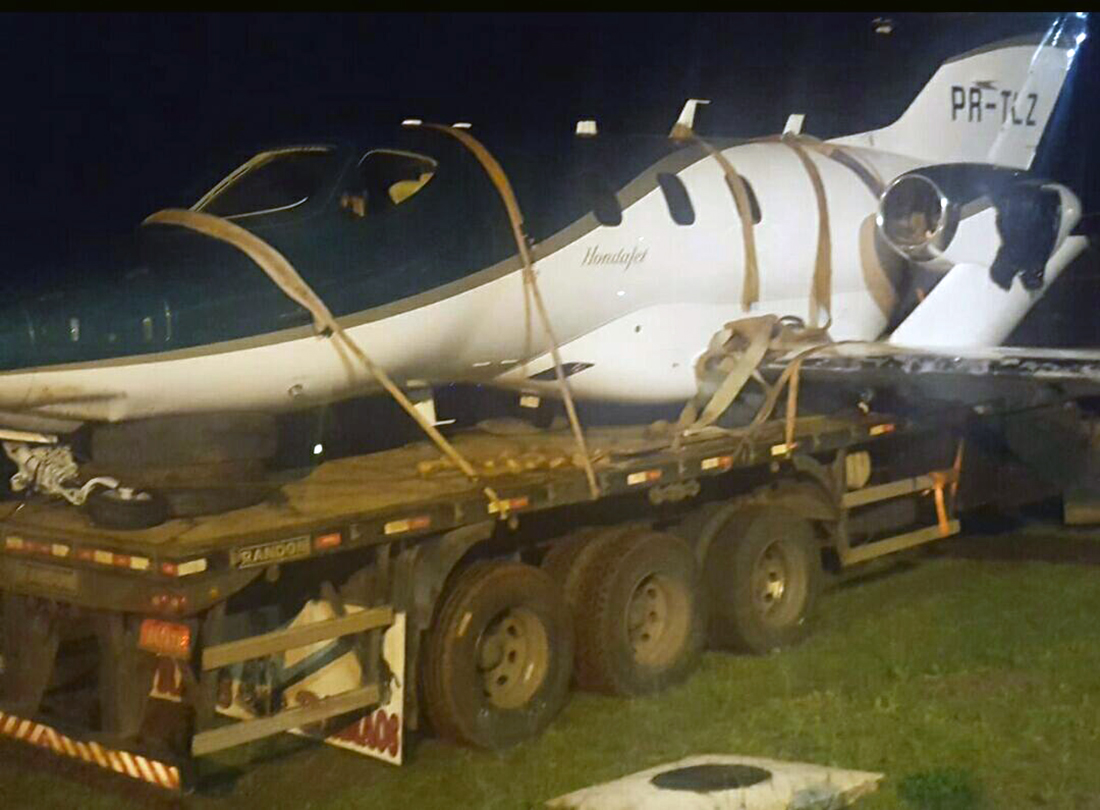
The airplane departed Curitiba-Afonso Pena Airport at 1240LT on an executive flight to Foz do Iguaçu, carrying one passenger and two pilots. Following an uneventful flight, the crew started the descent to Foz do Iguaçu-Cataratas Airport. The aircraft was stabilized and landed on wet runway 32. After touchdown, the crew encountered difficulties to stop the aircraft that overran and came to rest into a ravine. All three occupants evacued safely and the aircraft was damaged beyond repair.
Probable cause:
The following findings were identified:
- The approach was considered stabilized;
- The required landing distance of 6,431t (1,960m) was compatible for the operation, since the LDA of runway 32 at SBFI was 7,201ft (2,195m);
- There was no evidence of malfunction of the aircraft brake system that could have caused the runway excursion;
- At the time of landing, the runway was wet with a significant amount of water on the pavement;
- The estimated deceleration corresponded to what would be expected on a very wet runway (> 3mm of water) with hydroplaning of the tires at higher speeds;
- The friction and macrotexture measurements had normal parameters and did not contribute to the aircraft's poor deceleration;
- The characteristics of the precipitation over threshold 14 associated with the large variations in wind direction and intensity were consistent with the windshear phenomenon, resulting from a microburst;
- The PR-TLZ sensors did not detect the occurrence of windshear during the landing approach;
- A sudden increase in the calibrated speed that peaked at 32kt altered the aircraft's lift and, consequently, reduced the tires' grip on the ground, resulting in poor braking in the parts where the ground speed was lower;
- The speedbrakes were not extended during the run after landing, contrary to what was prevised in the AFM;
- The aircraft ran the full length of the runway, overpassed its limits and crashed into a ravine;
- There was a windshear alert issued about 30 seconds after the landing of the PRTLZ by an aircraft that was at the threshold 32;
- The aircraft had substantial damage; and
- The crewmembers and the passenger left unharmed.
Contributing factors:
- Control skills – undetermined
Despite the low contribution of the speedbrakes to the reduction of the landing distance, this device represents a deceleration resource through aerodynamic drag that should not be neglected, especially during landing on wet runways, and could have contributed to avoiding runway excursion.
- Adverse meteorological conditions – a contributor
The large variation in wind intensity peaked at 32 kt. This variation lasted 13 seconds and raised the indicated speed from 76 kt to 108 kt. Considering that the speed of 108 kt was very close to the VREF (111 KCAS), it can be stated that this phenomenon altered the aircraft's lift and, consequently, reduced the tires' grip on the ground, leading to poor braking.
Final Report:
Crash of a Beechcraft C90B King Air in Ipumirim: 1 killed

Date & Time: Sep 15, 2018 at 1200 LT
Type of aircraft:
Operator:
Registration:
PR-RFB
Flight Phase:
Survivors:
No
Schedule:
Florianópolis – Chapecó
MSN:
LJ-1546
YOM:
1999
Country:
Crew on board:
1
Crew fatalities:
Pax on board:
0
Pax fatalities:
Other fatalities:
Total fatalities:
1
Circumstances:
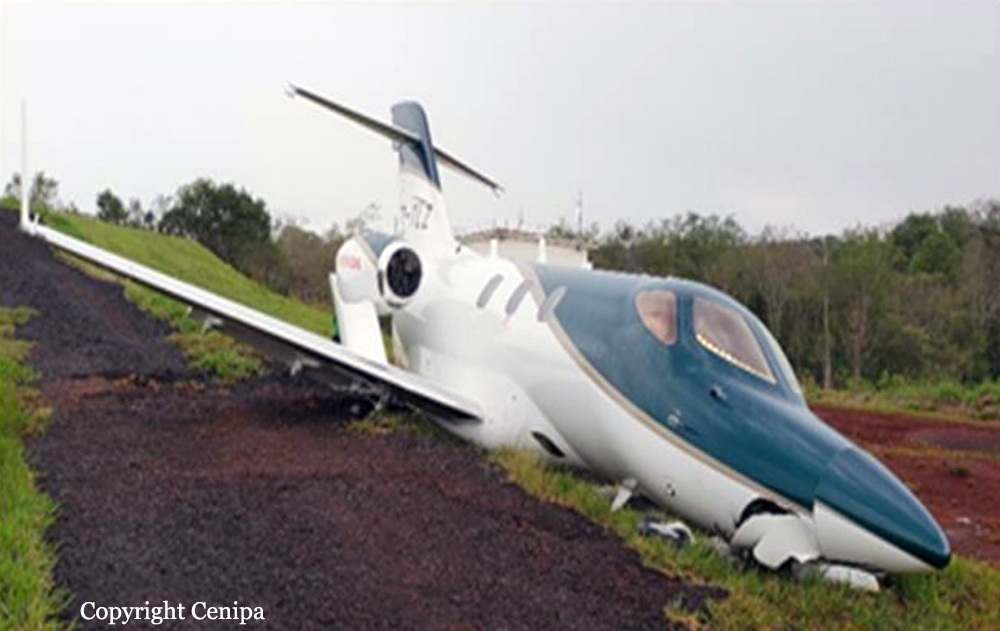
The pilot departed Florianópolis-Hercílio Luz Airport at 1100LT on a flight to Chapecó. Following an uneventful flight, the pilot initiated the descent to Chapecó-Serafim Enoss Bertasco Airport but encountered marginal weather conditions with limited visibility. While descending under VFR mode, the aircraft collided with trees and crashed in a dense wooded area located in Ipumirim, some 50 km east of Chapecó Airport, bursting into flames. The aircraft was destroyed by impact forces and a post crash fire and the pilot, sole occupant, was killed.
Probable cause:
Controlled flight into terrain.
Contributing factors.
- Attitude - contributed
The fact that the pilot continued the descent visually, not performing the instrument approach according to the IFR flight plan, denoted disregard of the real risks of this action. Thus, his attitude contributed to the inappropriate approach that culminated in the collision with the ground.
- Adverse weather conditions - contributed
Despite the aerodrome presenting ceiling and visibility conditions favorable for visual flight at the time of the accident, it was verified that there was dense fog covering the entire region near the impact site and, therefore, the IFR rules, which determined a minimum altitude of 5,000 ft, should have been observed.
- Emotional state - undetermined
Some events in the pilot's personal life were negatively affecting his emotional state. In addition, the pilot appeared to be more introspective in the period leading up to the accident.
Thus, it is possible that his performance was impaired due to his emotional state.
- External influences - undetermined
The pilot was possibly experiencing difficult events in his personal life. These events could have negatively affected his emotional state.
Thus, the pilot's way of thinking, reacting and performance at work may have been impacted by factors external to work.
- Motivation - undetermined
The pilot intended to return home because he would be celebrating his birthday and that of his stepdaughter.
The audio recording of the pilot's telephony with the GND-FL, shows that he insisted to accelerate his take-off, denoting a possible high motivation focused on fulfilling his eagerness to accomplish the flight. This condition may have influenced the flight performance.
- Decision making process - contributed
The choice to continue the descent without considering the IFR rules, based on an inadequate judgment of the meteorological conditions, revealed the pilot's difficulties to perceive, analyze, choose alternatives and act adequately in that situation.
Final Report:

Crash of a Beechcraft A100 King Air in Itapaci

Date & Time: Sep 6, 2018 at 0830 LT
Type of aircraft:
Operator:
Registration:
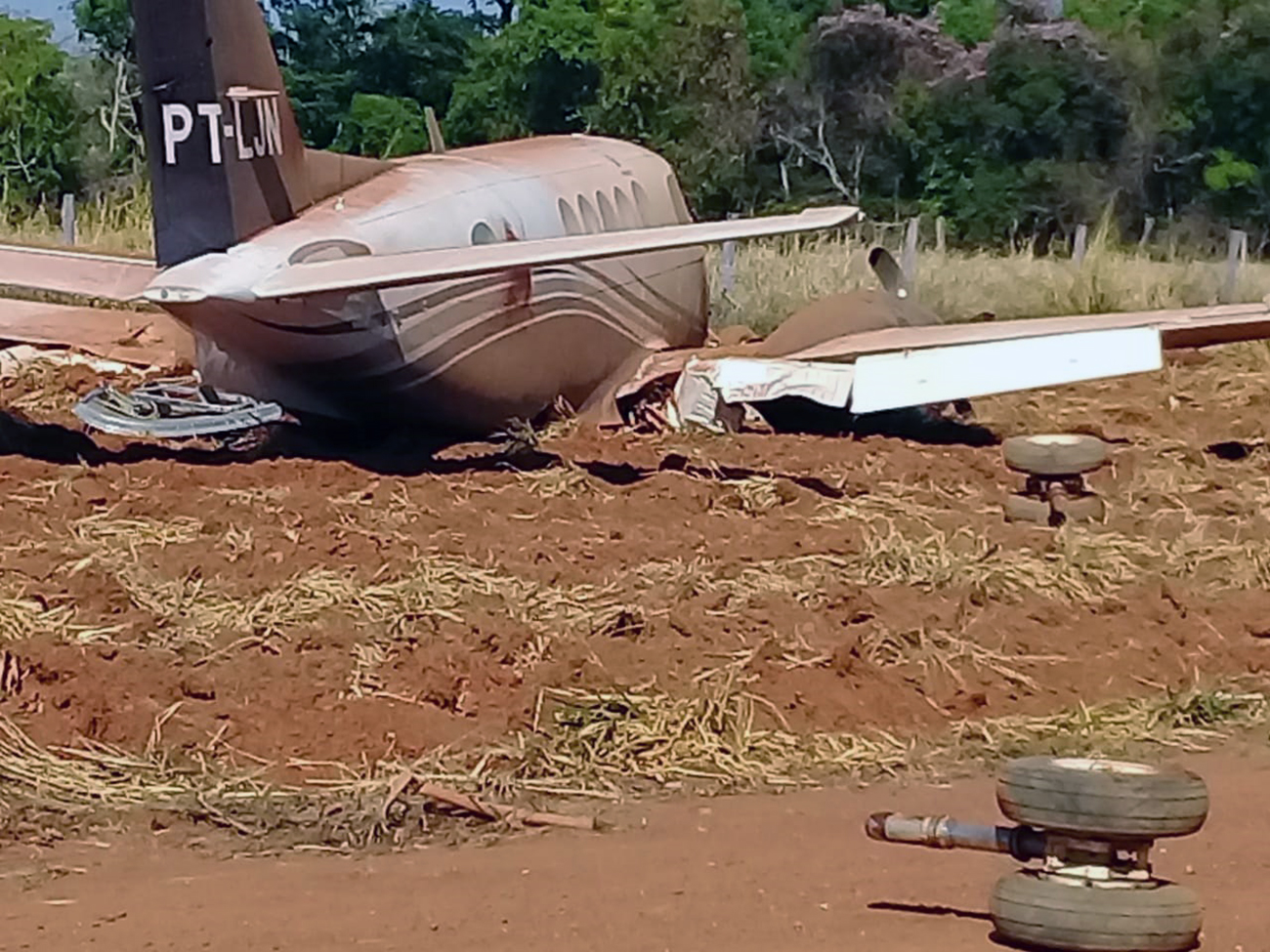
PT-LJN
Survivors:
Yes
Schedule:
Goiânia – Ceres
MSN:
B-121
YOM:
1972
Location:
Country:
Crew on board:
1
Crew fatalities:
Pax on board:
9
Pax fatalities:
Other fatalities:
Total fatalities:
0
Circumstances:
The twin engine airplane departed Goiânia-Santa Genoveva Airport at 0810LT on a charter flight to Ceres, carrying nine passengers and one pilot. En route, it was decided to change the itinerary and to land in Itapaci where there was no suitable terrain for landing. On final approach, the aircraft impacted ground, lost its undercarriage and veered to the right. It collided with a fence and made a 180 turn before coming to rest. All 10 occupants evacuated safely and the aircraft was damaged beyond repair. On board was the candidate for governor of the state of Goiás and his campaign team.
Probable cause:
The pilot intentionally changed his routing for Itapaci where the landing zone was not approved for flight operations. During the landing, the plane struck the ground before the planned zone and crashed. The pilot violated the rules established by the authority.
Final Report:
Crash of a Beechcraft C90GTi King Air in Vila Rica

Date & Time: Sep 5, 2018 at 1120 LT
Type of aircraft:
Registration:
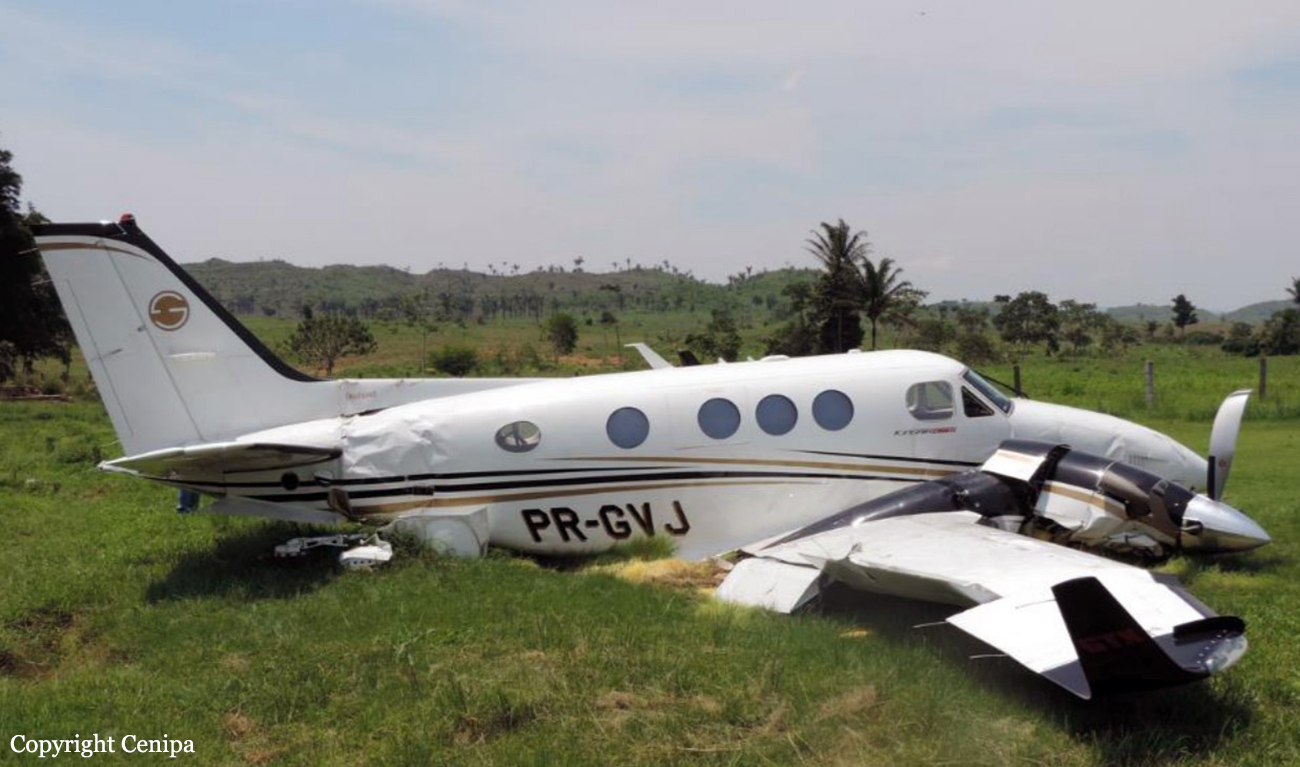
PR-GVJ
Flight Type:
Survivors:
Yes
Schedule:
Belo Horizonte – Confresa
MSN:
LJ-2145
YOM:
2017
Country:
Crew on board:
1
Crew fatalities:
Pax on board:
5
Pax fatalities:
Other fatalities:
Total fatalities:
0
Circumstances:
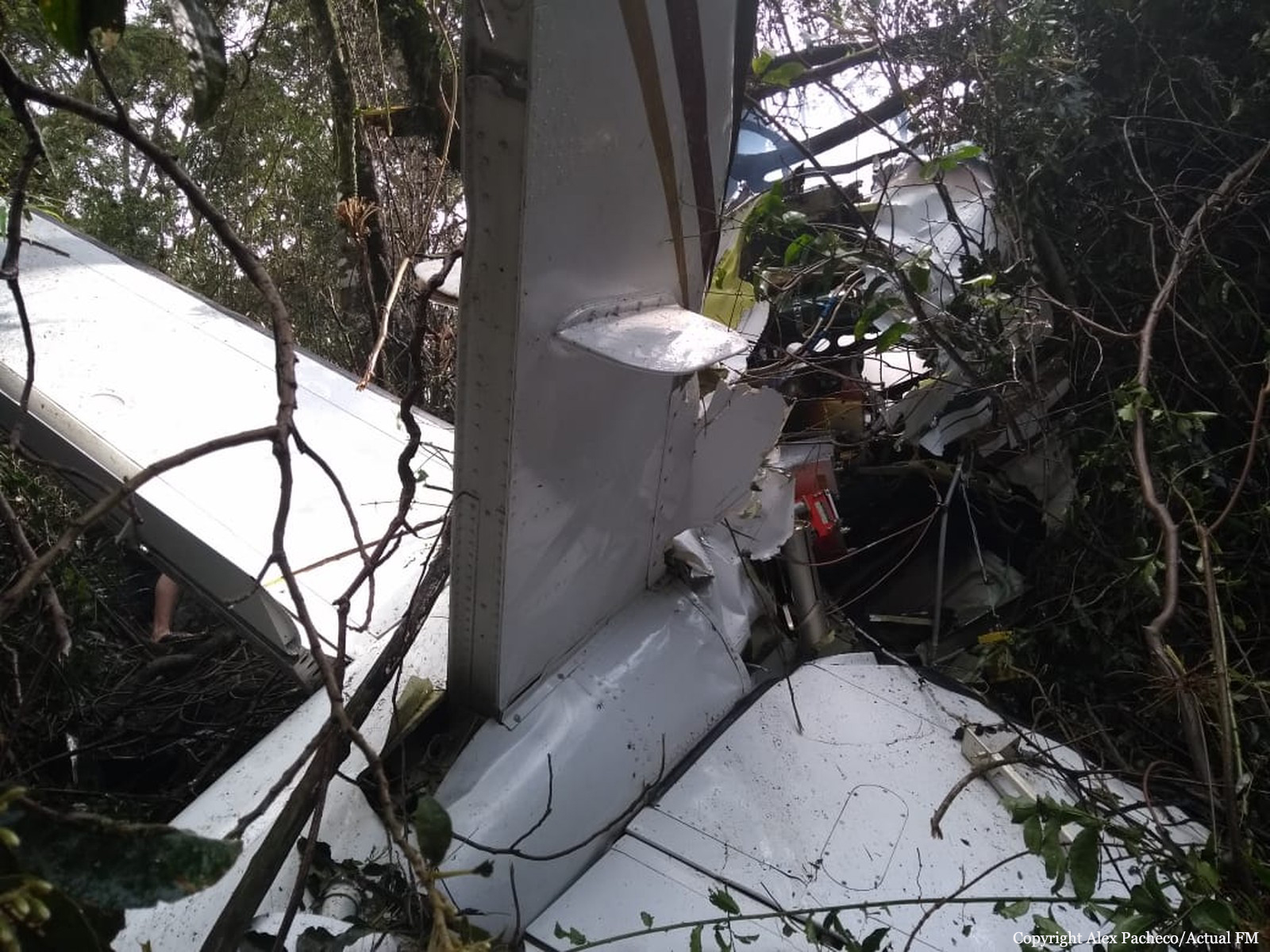
The twin engine airplane departed Belo Horizonte-Pampulha-Carlos Drummond de Andrade Airport at 0820LT on a private flight to Confresa, carrying five passenger and one pilot. While descending to Confresa, the pilot decided to fly directly to the farm of the owner (Fazenda Angola) located in Vila Rica, about 80 km northeast of Confresa Airport. On final approach, the aircraft was too low when it struck the surface of a lake then its bank. On impact, the undercarriage were torn off and the aircraft crash landed and came to rest on its belly. There was no fire. All six occupants were injured, one seriously. The aircraft was damaged beyond repair.
Probable cause:
The pilot descended too low on approach to an umprepared terrain.
Contributing Factors:
- Attitude,
- Command application,
- Pilot judgment,
- Decision making process,
- Lack of adherence to regulations established by the authority of Brazilian civil aviation.
Final Report:
Crash of a Beechcraft C90GTi King Air in Campo de Marte: 1 killed

Date & Time: Jul 29, 2018 at 1815 LT
Type of aircraft:
Operator:
Registration:
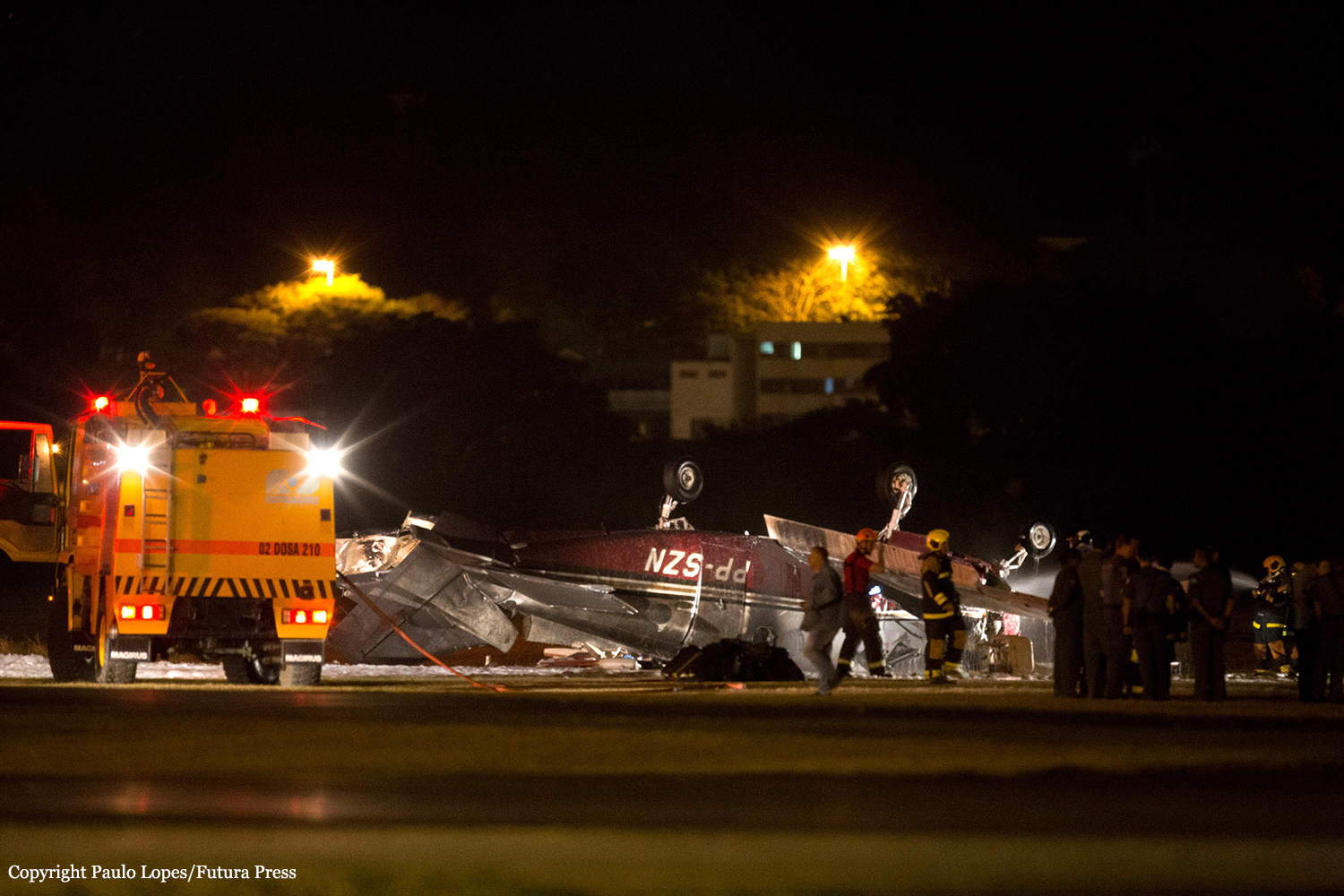
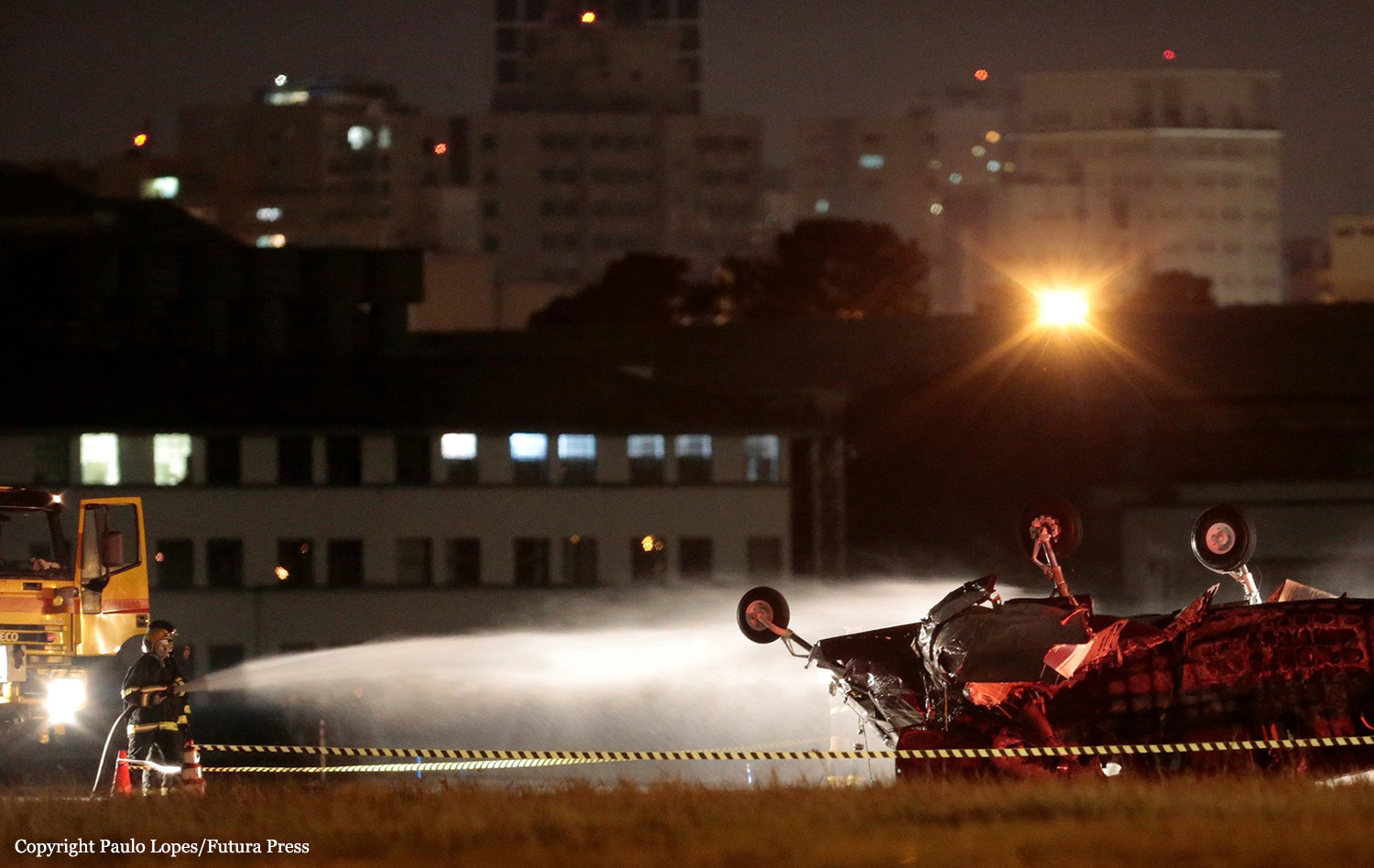
PP-SZN
Survivors:
Yes
Schedule:
Videira – Campo de Marte
MSN:
LJ-1910
YOM:
2008
Country:
Crew on board:
1
Crew fatalities:
Pax on board:
6
Pax fatalities:
Other fatalities:
Total fatalities:
1
Captain / Total flying hours:
4441
Captain / Total hours on type:
93.00
Aircraft flight hours:
1342
Circumstances:
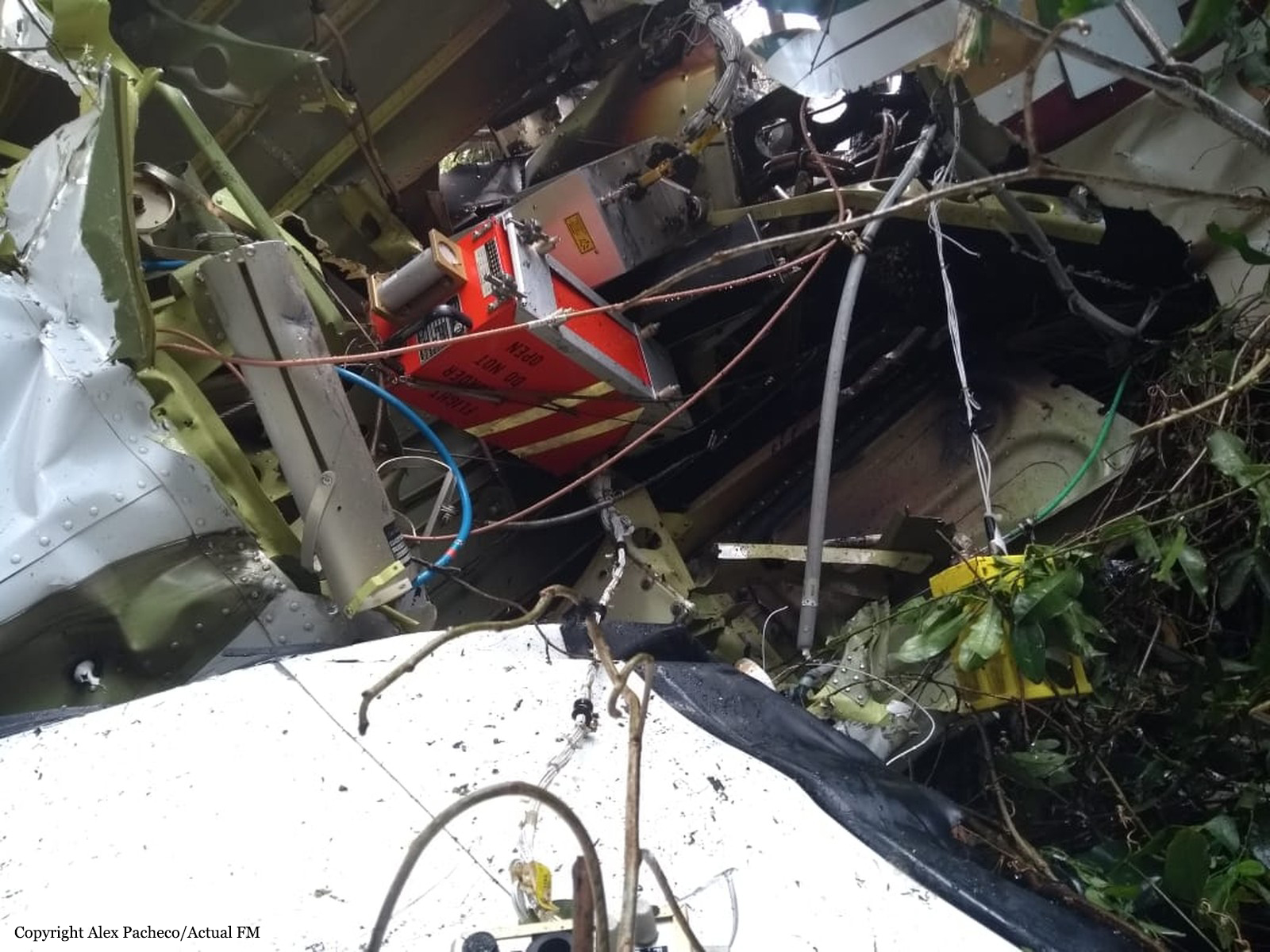
At approximately 1600LT, the twin engine airplane departed Videira-Ângelo Ponzoni Airport on a flight to Campo de Marte, carrying six passengers (the aircraft's owner) and one pilot. While approaching Campo de Marte Airport at night following an uneventful flight, the pilot encountered technical problems with the landing gear indicator system. He was cleared by ATC to perform two low passes over the airport to confirm visually the problem. After passing the runway 30 threshold to land, the airplane rolled to the left and crashed inverted about 100 metres to the left of runway 30, bursting into flames. All six passengers were injured, two seriously. The pilot was killed.
Probable cause:
Contributing factors:
- Attitude – undetermined.
The pilot's described profile indicated a characteristic of not admitting personal mistakes and being meticulous in his actions. He likely performed multiple traffic circuits as a way to ensure that the landing gear had locked down, aiming to avoid the consequences of landing with a faulty landing gear, which reflected challenges in his way of thinking, leading to the improvisation of procedures.
- Training – undetermined.
Since the PIC had no simulator training, he may not have acquired the necessary skills for performing the procedures related to the management of the emergency.
- Emotional state – undetermined.
The contribution of a state of tension and stress, due to overload, cannot be disregarded, considering that the PIC faced the need to perform a landing with the possibility of the main landing gear retracting, with his superiors on board, as well as the potential
damage to the aircraft as a consequence.
- Handling of aircraft flight controls – undetermined.
It is likely that improper use of the flight controls during the final approach allowed flight at speeds close to stall speed. Furthermore, it is possible that the controls were not adequately applied to counteract the effects and maintain controlled flight, leading to a sudden left roll of the aircraft and entry into a spin condition resulting from the stall.
- Piloting judgment – a contributor.
Despite being qualified and certified to operate the airplane, there was no adequate assessment of the malfunction and procedures to be adopted during the situation encountered.
- Perception – undetermined.
By focusing all his attention on the landing gear indicator light issue, the PIC may have neglected other procedures due to selective perception or "tunnel vision".
- Decision-making process – a contributor.
There was an inadequate judgment caused by fixation on solving the landing gear indication failure, which affected the analysis and choice of better alternatives for the conditions presented.
Final Report:
Crash of a Piper PA-31-310 Navajo B near Jardim do Ouro: 2 killed

Date & Time: Jun 27, 2018 at 1430 LT
Type of aircraft:
Registration:

PT-IIU
Flight Phase:
Flight Type:
Survivors:
Yes
Schedule:
Guarantã do Norte – Apuí
MSN:
31-852
YOM:
1972
Country:
Crew on board:
1
Crew fatalities:
Pax on board:
2
Pax fatalities:
Other fatalities:
Total fatalities:
2
Circumstances:
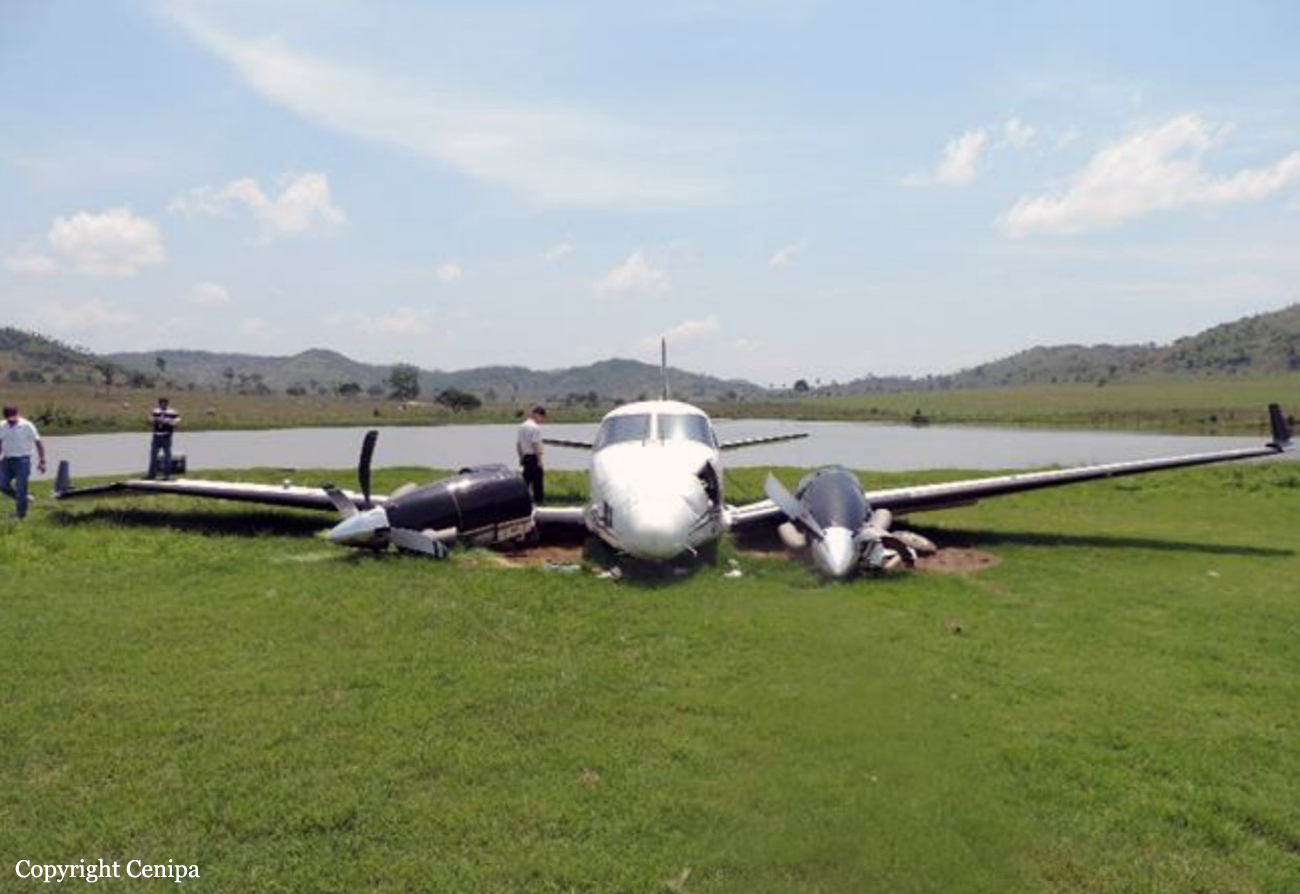
The twin engine airplane departed Guarantã do Norte on a flight to a remote area located on km 180 on the Transamazonica Road. En route, both passengers started to fight in the cabin and one of them was killed. The pilot was apparently able to kill the assassin and later decided to attempt an emergency landing. He ditched the airplane in the Rio Novo near Jardim do Ouro. The pilot was later arrested but no drugs, no weapons, no ammunition as well a both passengers bodies were not found. Apparently, the goal of the flight was illegal but Brazilian Authorities were unable to prove it.
Final Report: