


Date & Time:
Feb 27, 1981 at 1411 LT
Type of aircraft:
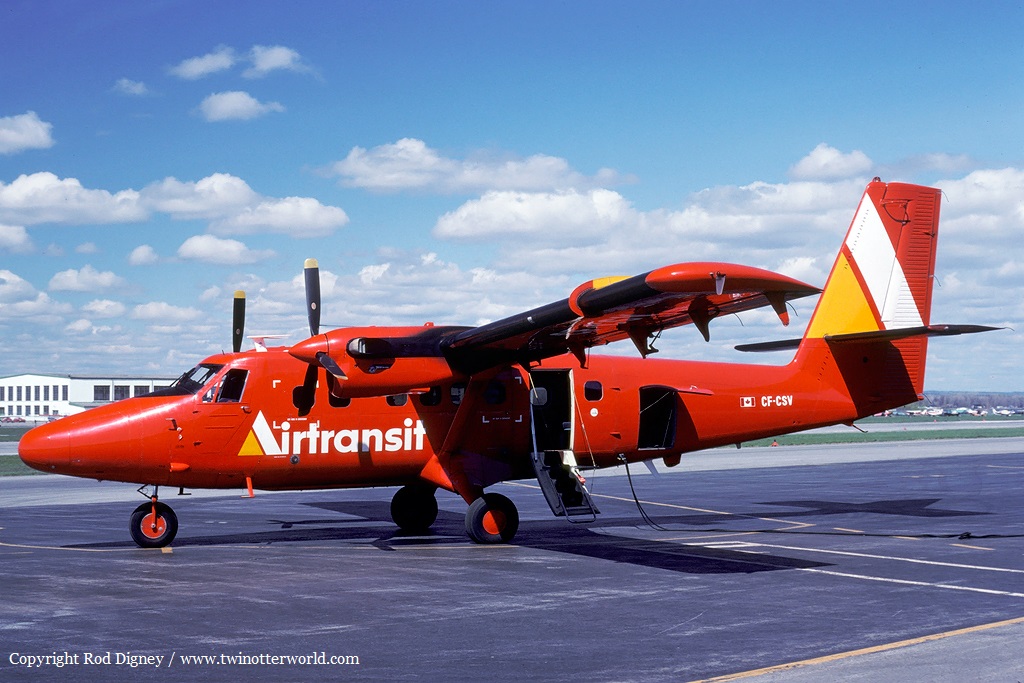
De Havilland DHC-6 Twin Otter
Operator:

Registration:
C-FCSV
Flight Phase:
Flight
Flight Type:
Training
Survivors:
Yes
Site:
Plain, Valley
Schedule:
Toronto - Toronto
MSN:
354
YOM:
1973
Country:
Canada
Region:
North America
Crew on board:
3
Crew fatalities:
2
Pax on board:
0
Pax fatalities:
0
Other fatalities:
0
Total fatalities:
2
Captain / Total hours on type:
106
Copilot / Total hours on type:
1000
Aircraft flight hours:
5949
Circumstances:
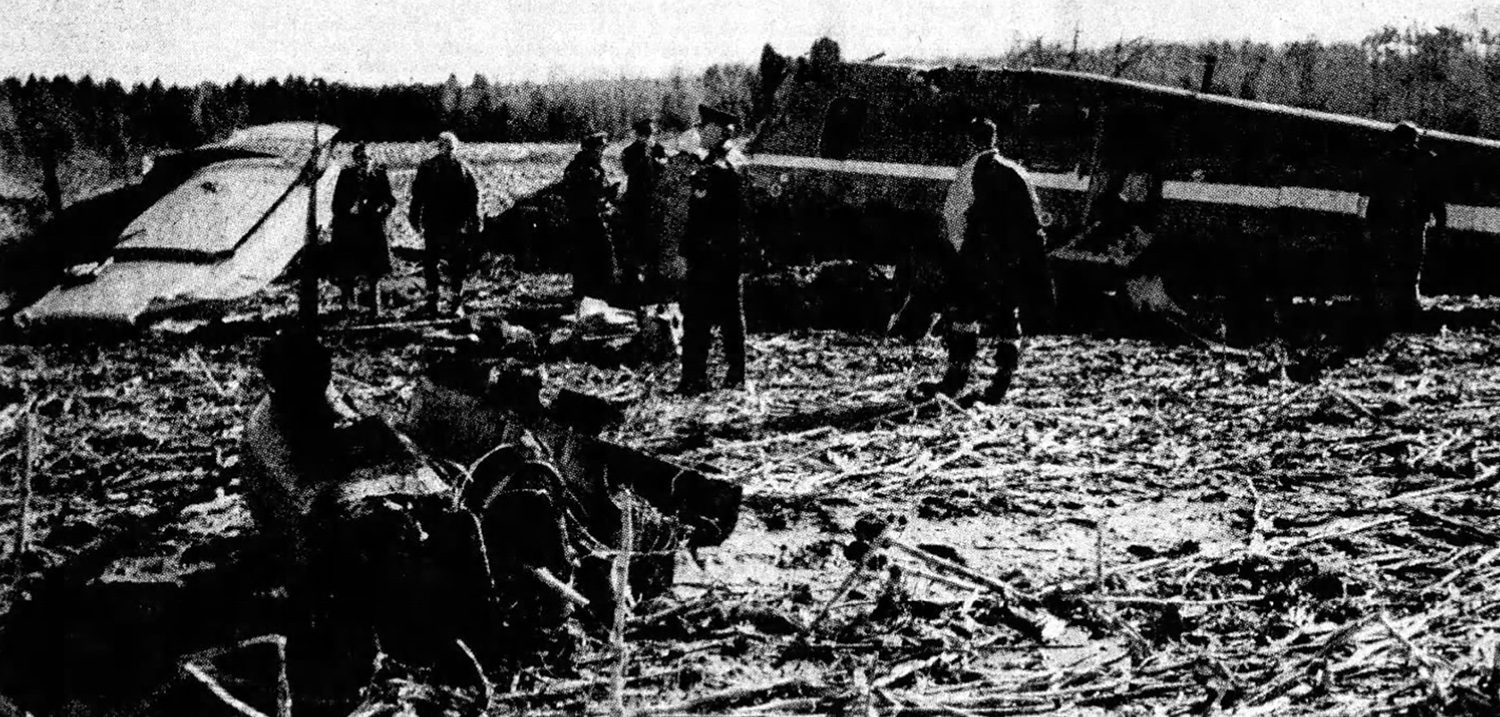
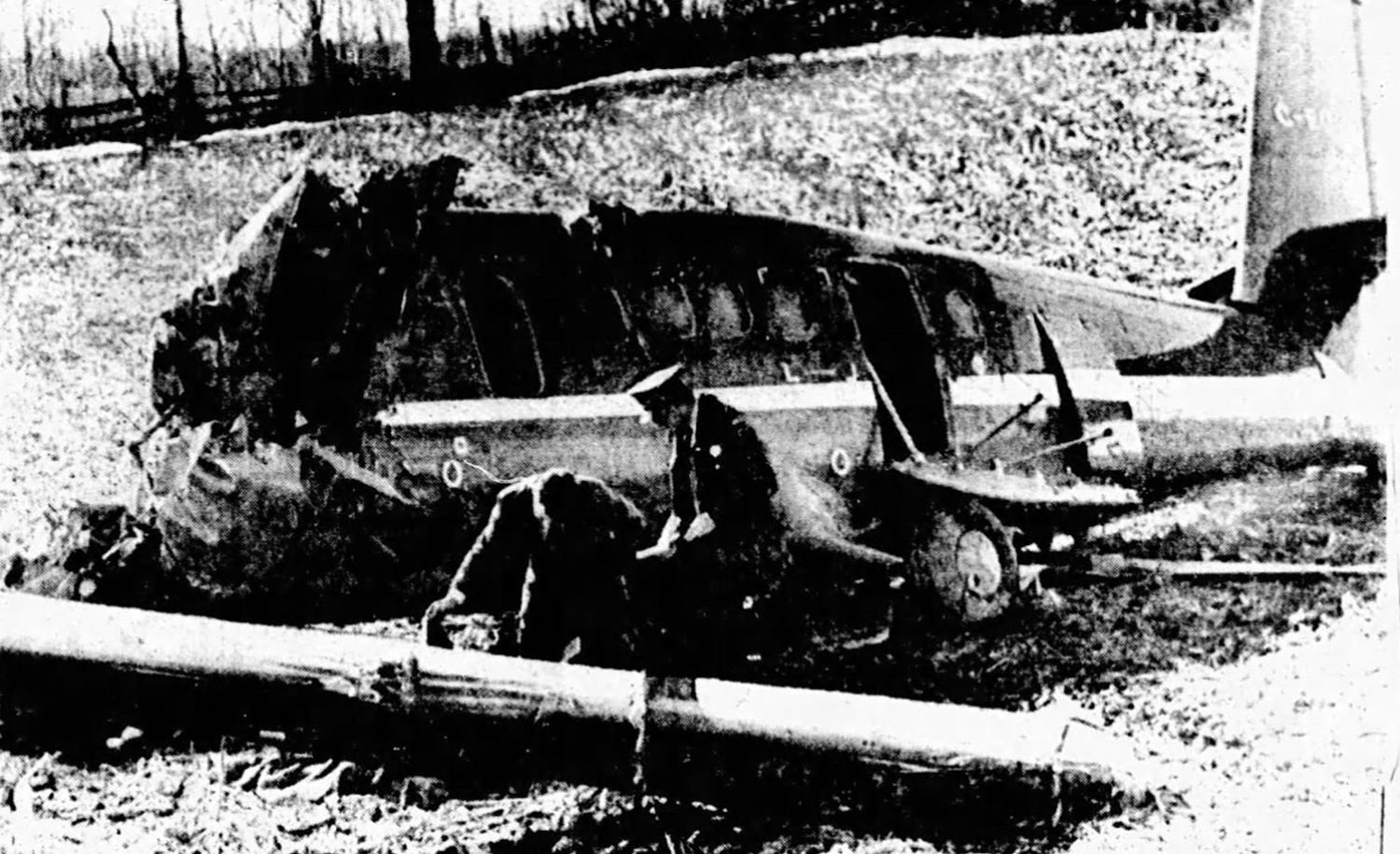
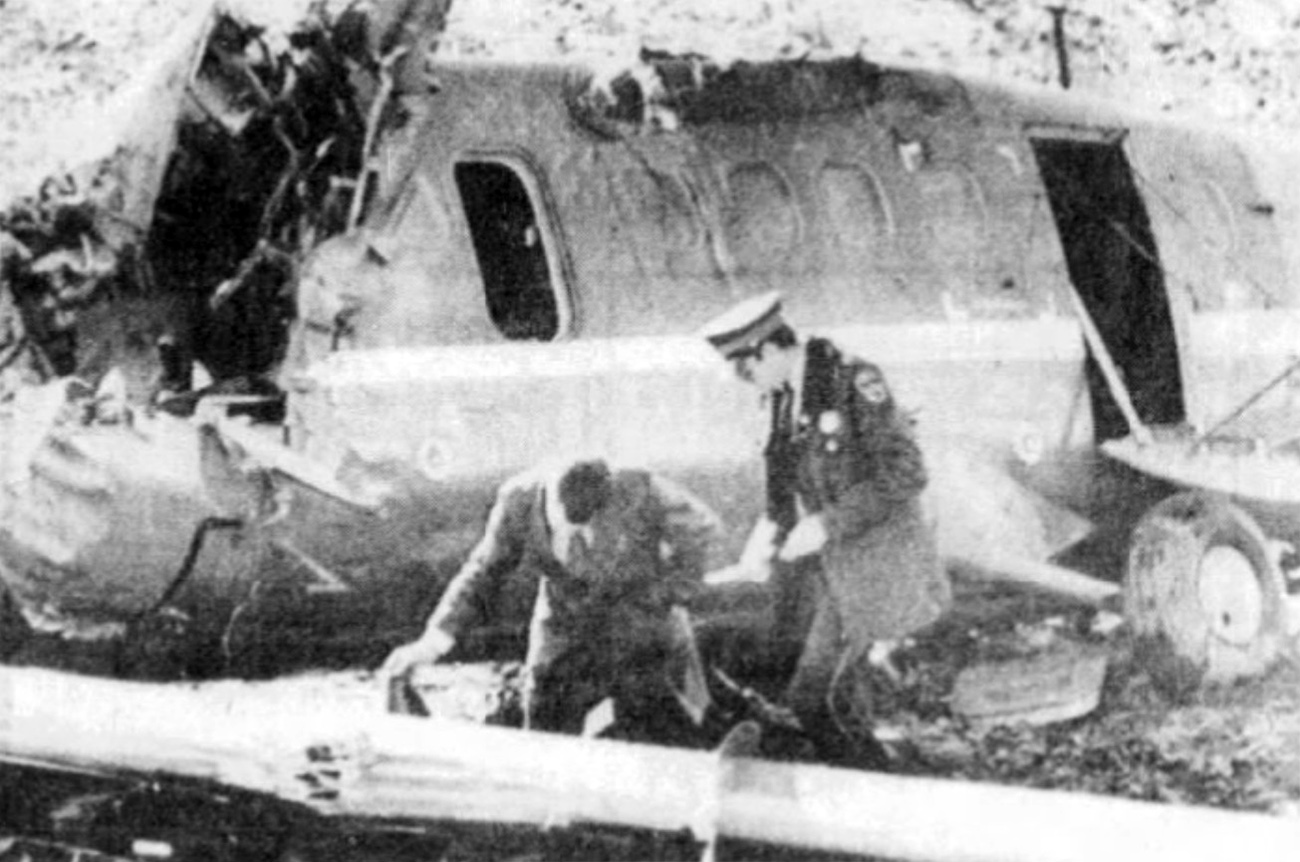
The twin engine airplane departed Toronto International Airport Runway 23R at 1351LT on a local VFR training flight. On board were three Civil Aviation Inspectors, the Captain occupying the left seat, the Check Pilot the right seat and an observer pilot the right forward cabin seat. The flight was for the purpose of checking the proficiency of the Captain and renewing his instrument rating. After being cleared to climb to 3,000 feet, at 1358LT, the airplane was 22 NM from Toronto and the crew was instructed to clear the frequency. Shortly thereafter the flight test commenced. One of the exercises intended was a simulated approach and overshoot with a simulated engine failure during the overshoot. During a second such exercise, the right engine was shut down and an overshoot was commenced. Subsequently a ground witness observed that the right propeller was stopped and that a stream of black smoke was coming from the left engine. As the aircraft commenced a shallow descending turn to the right, the smoke diminished. It continued to descend striking trees before the right main gear and nose impacted the ground. The accident site was located 43° 22' N 80° 08' W, south of Valens, ON. A crew was seriously injured and two others were killed.
Probable cause:
The following findings were identified:
- After the right fuel lever was selected to the OFF position to simulate an engine failure, the fuel lever for the left engine was inexplicably moved to the OFF position.
- Under these circumstances the altitude above ground level selected for engine shutdown using the fuel shut-off lever provided insufficient margin for safety.
- The crew was current on type according to DOT operating requirements.
- Improved Transport Canada requirements and operational control would help to prevent recurrence of this type of accident.
- After the right fuel lever was selected to the OFF position to simulate an engine failure, the fuel lever for the left engine was inexplicably moved to the OFF position.
- Under these circumstances the altitude above ground level selected for engine shutdown using the fuel shut-off lever provided insufficient margin for safety.
- The crew was current on type according to DOT operating requirements.
- Improved Transport Canada requirements and operational control would help to prevent recurrence of this type of accident.
Final Report:
C-FCSV.pdf19.21 MB

