


Date & Time:
Dec 21, 1977 at 1504 LT
Type of aircraft:
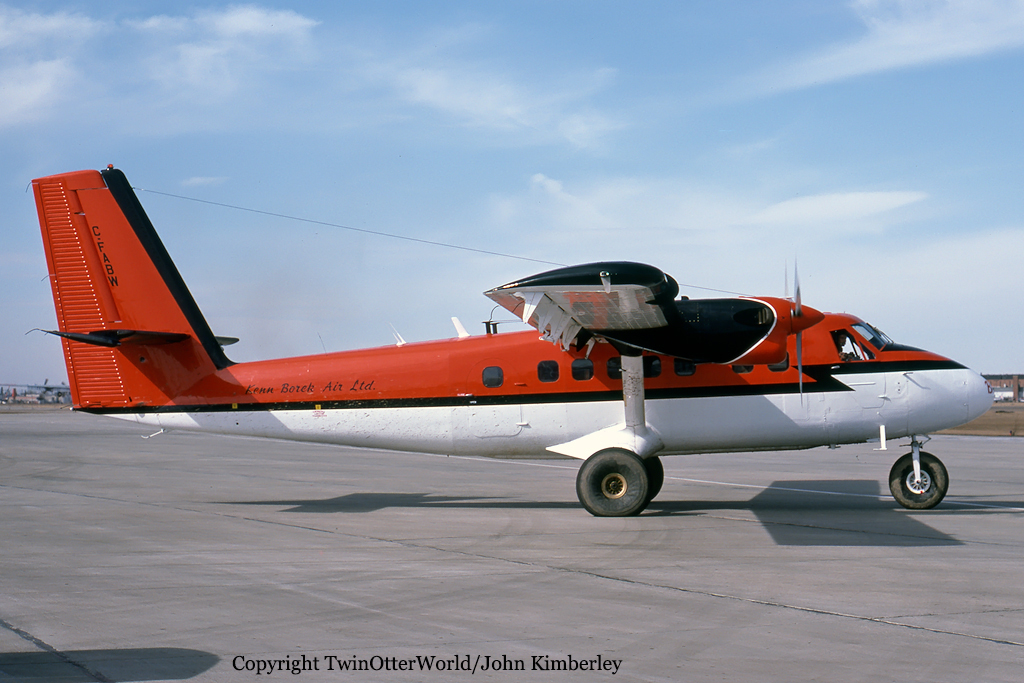
De Havilland DHC-6 Twin Otter
Operator:

Registration:
C-FABW
Flight Phase:
Landing (descent or approach)
Flight Type:
Scheduled Revenue Flight
Survivors:
No
Schedule:
Pond Inlet – Nanisivik – Resolute Bay
MSN:
278
YOM:
1970
Country:
Canada
Region:
North America
Crew on board:
2
Crew fatalities:
2
Pax on board:
6
Pax fatalities:
6
Other fatalities:
0
Total fatalities:
8
Captain / Total hours on type:
3000
Circumstances:
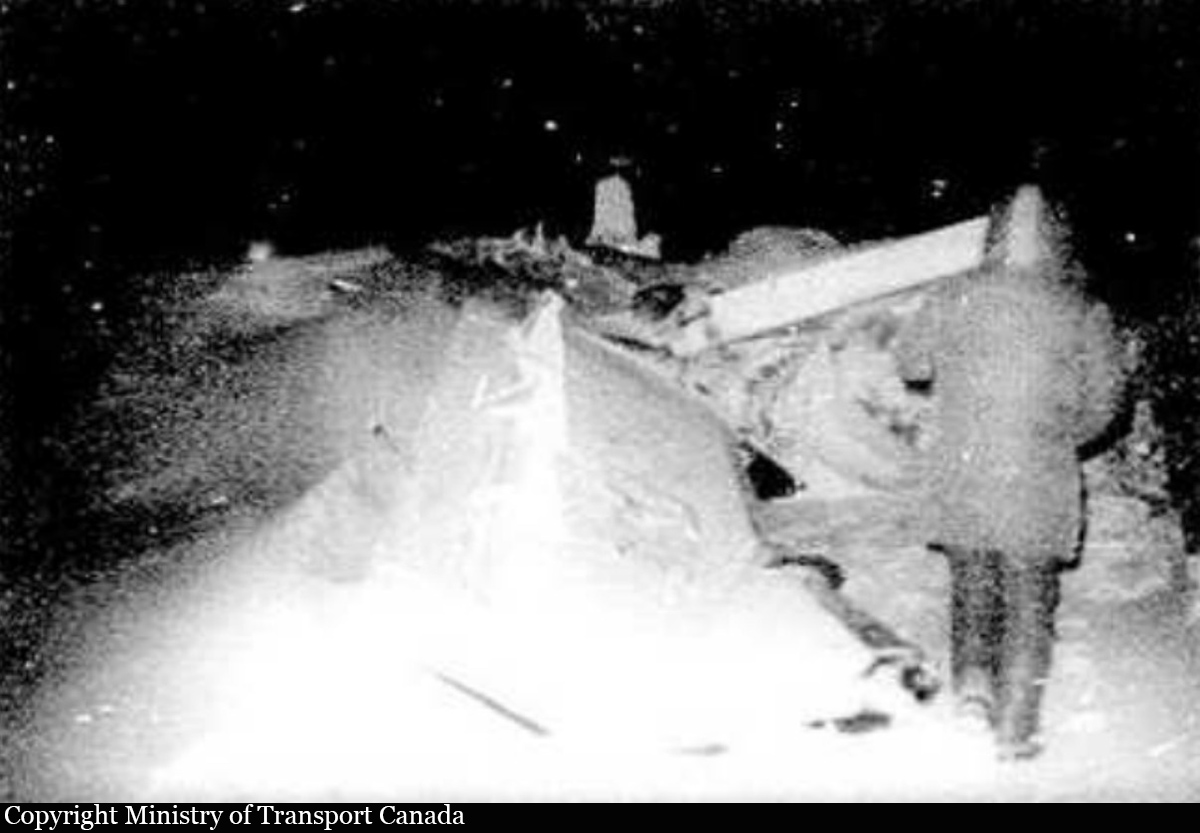
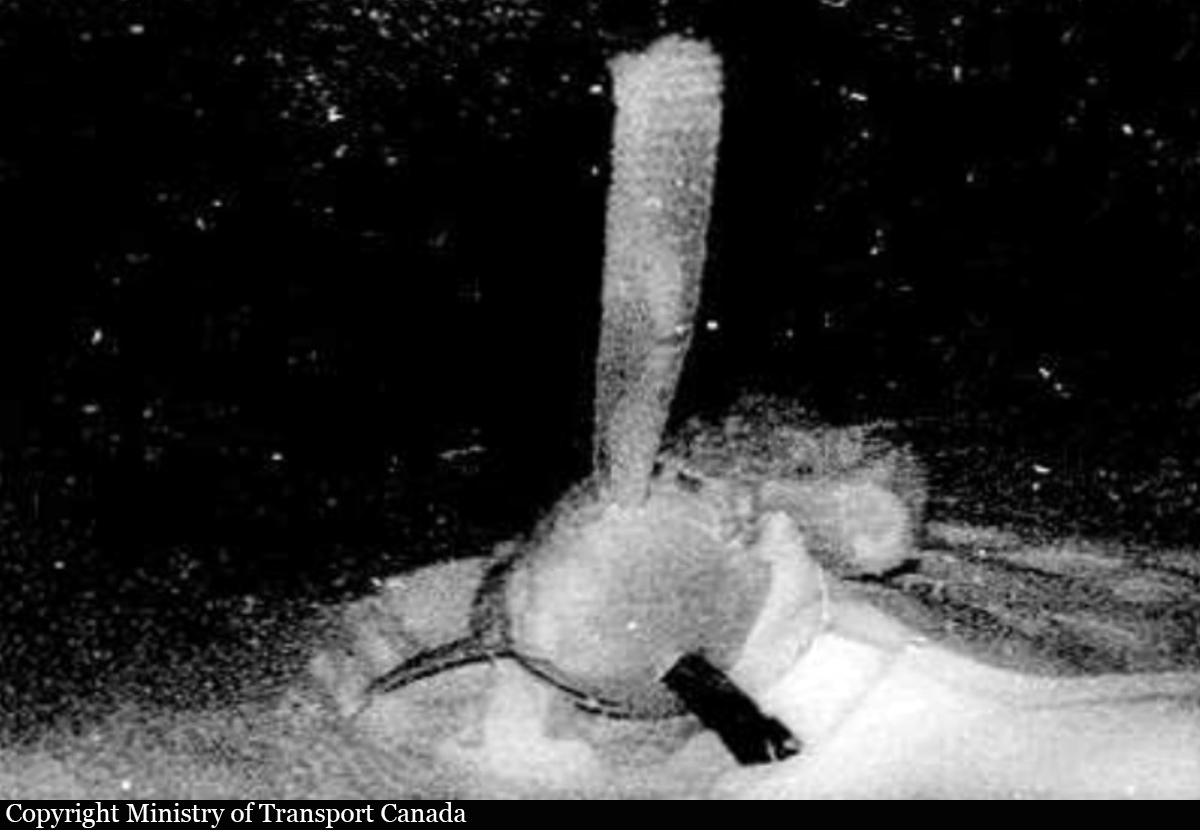
The aircraft was on a return flight between Resolute Bay, Nanisivik and Pond Inlet. The first two legs of the flight had been completed and the aircraft had been refueled at Pond Inlet. The return flight to Nanisivik was flown at 8,000 feet and all reports and radio transmissions were routine. The last transmission to the radio operator at Nanisivik made by the First Officer was 'a couple of miles back on left base and will be turning final shortly', which indicated that they were doing a night visual approach. A final wind check was passed to the aircraft but no acknowledgement was received. A witness to the accident described the aircraft as 'moving in a violent fashion' before it crashed 2,200 feet short of the runway in a 45° nose down, 80° right bank attitude. All eight occupants were killed.
Probable cause:
Examination of the weather aftercast indicated that low level turbulence and vertical windshear of 10 to 12 knots per thousand feet existed at the time of the accident. Other aircraft reported varying degrees of turbulence on final approach to the- runway both before and after the accident. Technical investigation suggests that the right engine was rotating at or below flight idle at impact. Extensive laboratory analysis of the engine components ‘failed to prove conclusively that an engine failure had actually occurred and until further evidence is forthcoming the accident cause must. remain undetermined. (LP 39/78, LP 40/78, LP 78/78, LP 89/78) Note: Thirteen months after this accident occurred evidence first began to emerge pertaining to possible in-flight failure of DHC-6 flap and aileron control rods. Recovery of a failed flap rod from the bottom of Vancouver Harbour 26 Jan 1979 and a failed aileron rod recovered at Sechelt, B.C., 30 Sept 79, from two aircraft which had crashed under very similar circumstances to that of CF-ABW, led to a decision to re-open this investigation. Negotiations and financial arrangements to recover and re~examine the buried aircraft structure were initiated during February 1980 with a target date between mid July and mid-August. As the aircraft had been burned, crushed by a bulldozer, partially scattered and buried under 20 ft of shale in the Nanisivik dump the projected recovery attempt would have been futile. This decision was made on 17 July 1980. In view of the fact that the safety deficiency related to stress corrosion control rod failure had been identified and rectified by AWD action as a result of subsequent DHC-6 accidents it was deemed that no useful accident prevention purpose would be served in pursuing this accident further.
Final Report:
C-FABW.pdf110.97 KB

