



Date & Time:
Apr 4, 1978 at 1807 LT
Type of aircraft:
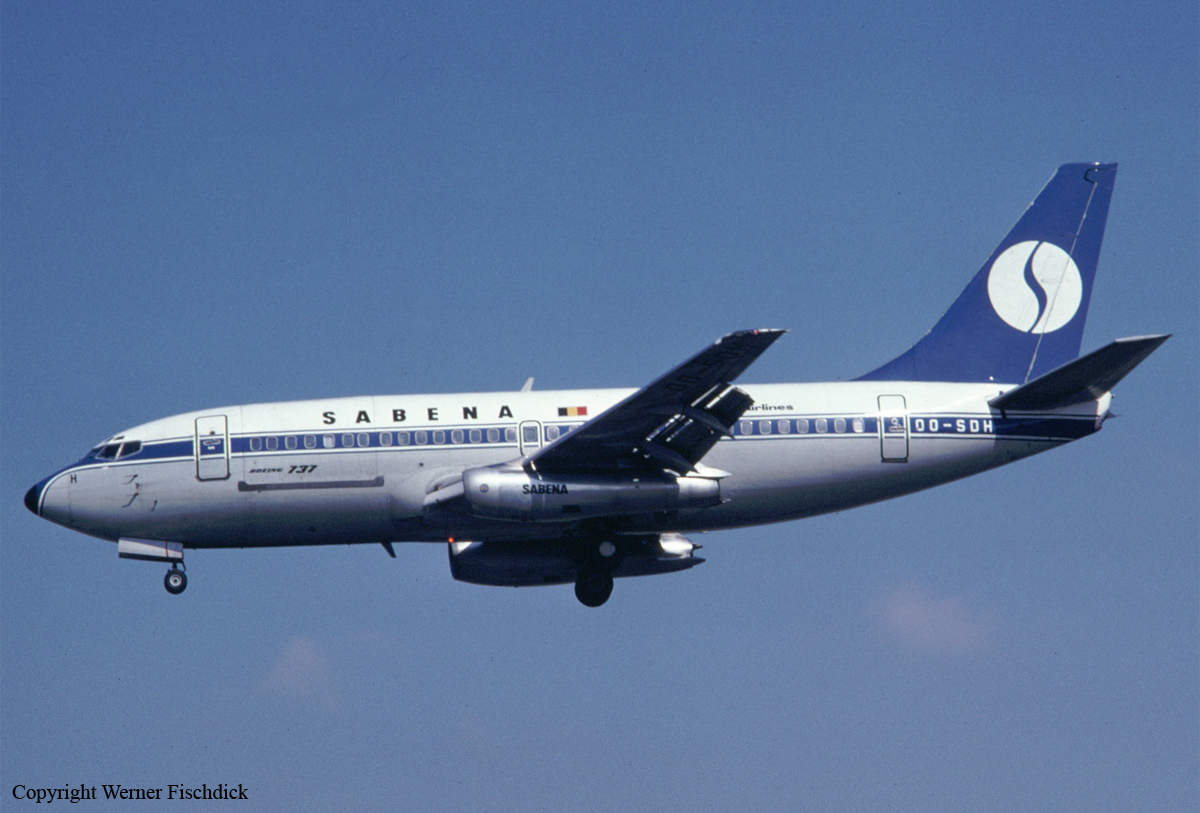
Boeing 737-200
Operator:

Registration:
OO-SDH
Flight Phase:
Takeoff (climb)
Flight Type:
Training
Survivors:
Yes
Schedule:
Charleroi - Charleroi
MSN:
20914/396
YOM:
1975
Country:
Belgium
Region:
Europe
Crew on board:
3
Crew fatalities:
0
Pax on board:
0
Pax fatalities:
0
Other fatalities:
0
Total fatalities:
0
Captain / Total hours on type:
3720
Copilot / Total hours on type:
9
Aircraft flight hours:
6983
Aircraft flight cycles:
7424
Circumstances:
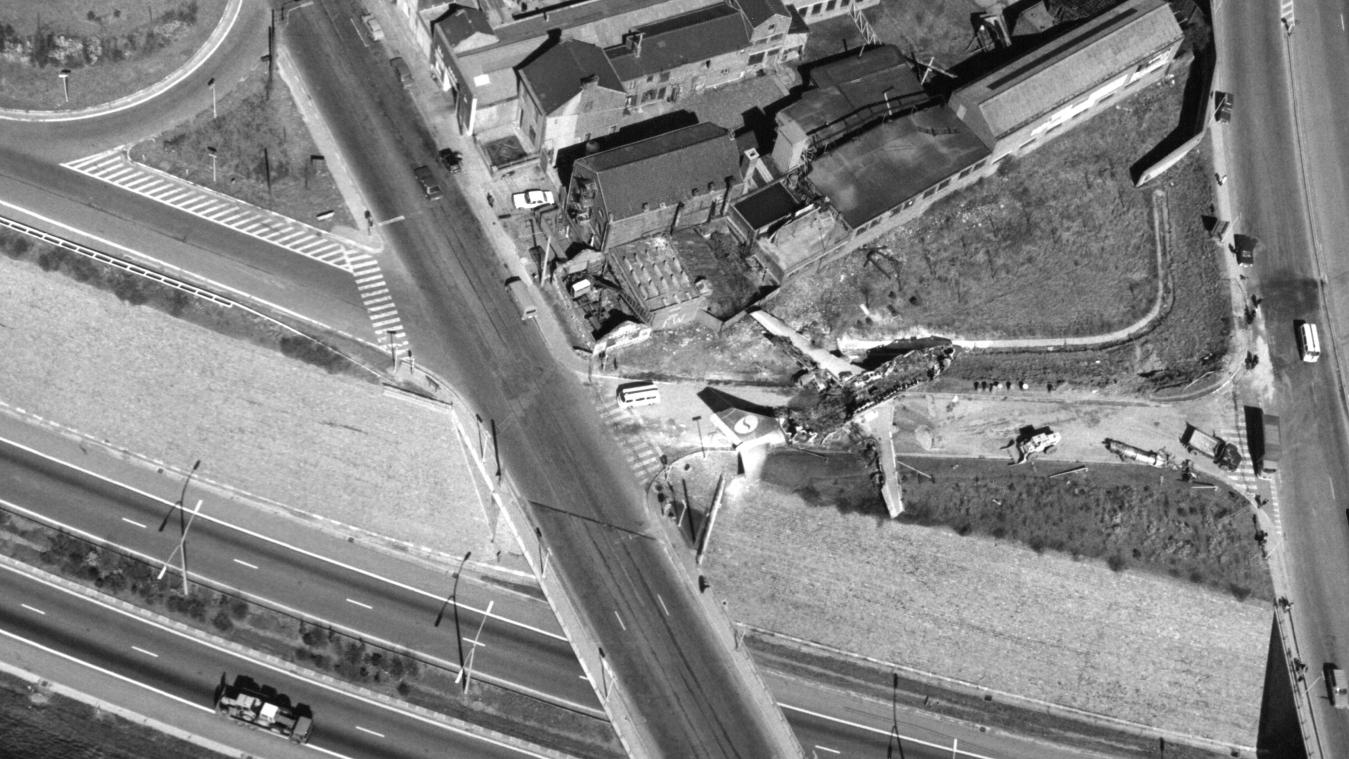
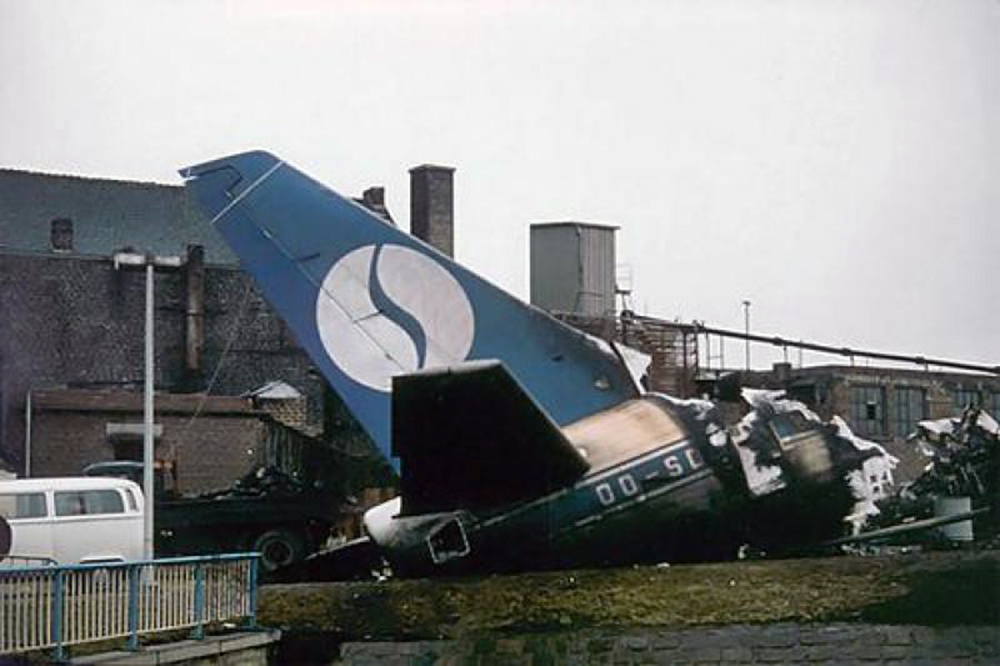
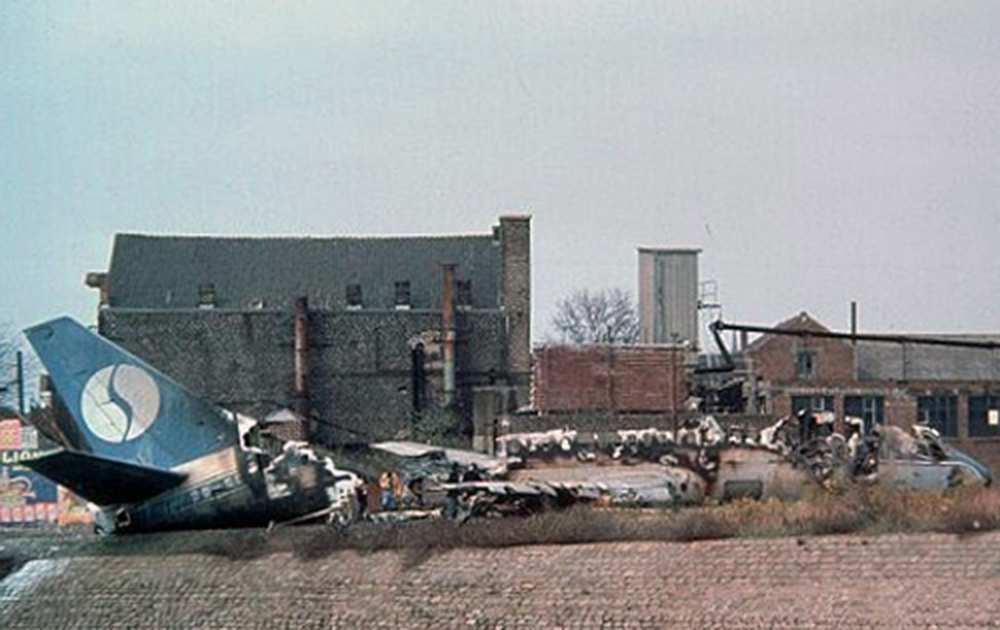
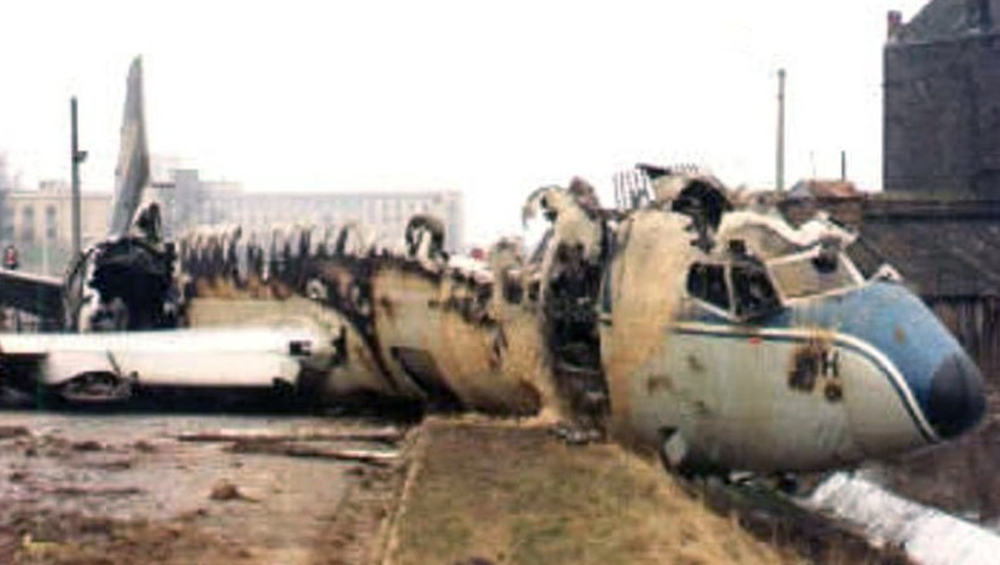
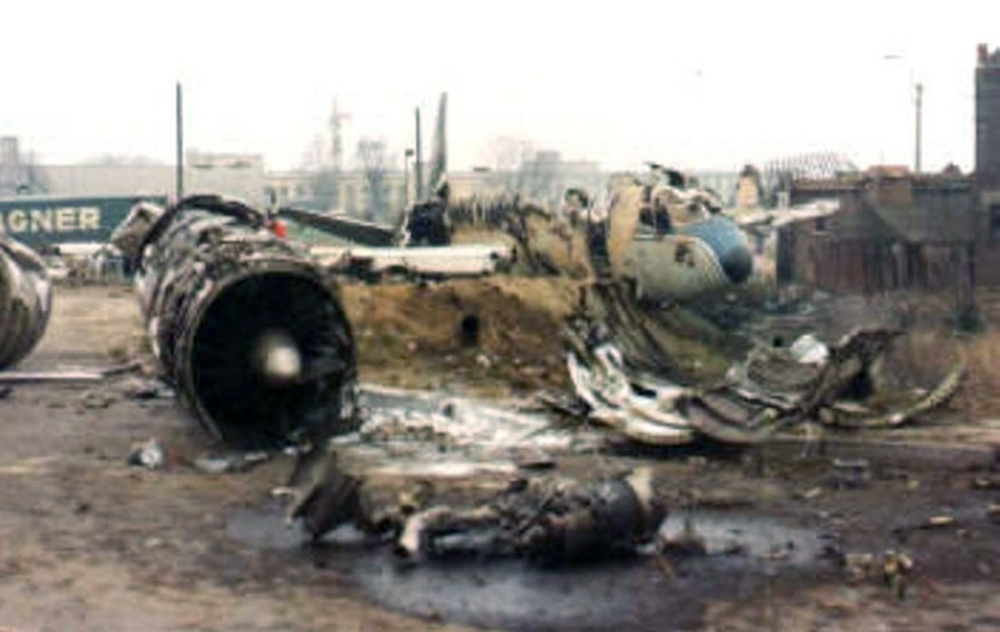
The aircraft was engaged in a local training flight at Charleroi-Gosselies Airport and was carrying a crew of three (one instructor and two student pilots) who just landed from Brussels. Both students were going to practice ILS approaches to runway 25 at Charleroi-Gosselies Airport (CRL) followed by a touch-and-go. The initial six approaches were uneventful. The students then changed seats. The second student's first approach and touch-and-go were uneventful. During the second touch-and-go a flock of birds (ring doves) were observed crossing the runway. Several birds were ingested as the airplane was rotating. The instructor took over control and attempted to continue takeoff. The airplane failed to respond to his control inputs and seemed to decelerate. He then decided to abort the takeoff. There was insufficient runway length available so the Boeing overran, struck localizer antennas and skidded. It lost its undercarriage and came to rest in flames on a road located about 320 meters past the runway end. All three occupants evacuated safely while the aircraft was destroyed by fire.
Probable cause:
The probable cause of the accident was the interruption of the takeoff maneuver at the time of the impact of birds, followed by a stop for undetermined reasons. The deceleration due to braking prevented the aircraft to respond to the action of the pilot-instructor using the ailerons. The takeoff was interrupted while the remaining runway length was insufficient to stop the aircraft.
The following findings were identified:
- When the bird strike occurred, the flight instructor took control without informing the copilot, in an attempt to continue the takeoff procedure.
- The aircraft, which was decelerating at that moment, did not respond normally to the pilot’s control inputs.
- The aircraft’s deceleration was due to the application of the brakes. It was not possible to determine who applied the brakes.
- The flight instructor decided to abort the takeoff despite the high speed, and the remaining runway length was insufficient to bring the aircraft to a stop within the runway limits.
- The tailwind component caused the aircraft to travel a longer distance down the runway.
The following findings were identified:
- When the bird strike occurred, the flight instructor took control without informing the copilot, in an attempt to continue the takeoff procedure.
- The aircraft, which was decelerating at that moment, did not respond normally to the pilot’s control inputs.
- The aircraft’s deceleration was due to the application of the brakes. It was not possible to determine who applied the brakes.
- The flight instructor decided to abort the takeoff despite the high speed, and the remaining runway length was insufficient to bring the aircraft to a stop within the runway limits.
- The tailwind component caused the aircraft to travel a longer distance down the runway.
Final Report:
OO-SDH.pdf31.93 MB

